Product Description
| Track rollers-SG series | (mm) | |||||||||||
|---|---|---|---|---|---|---|---|---|---|---|---|---|
| g | dw | d | D | C | B | L | d2 | H | Cw(KN) | Cow(KN) | Frperm(KN) | |
| SG15 | 8 | 6 | 5 | 17 | 8 | 5.75 | 20.46 | 8.6 | 1 | 1.27 | 0.82 | 1.3 |
| SG15-10 | 9 | 10 | 5 | 17 | 8 | 5.75 | 25.5 | 8.6 | 1 | 1.27 | 0.82 | 1.3 |
| SG20 | 25 | 8 | 6 | 24 | 11 | 7.25 | 28.62 | 11.1 | 1.2 | 3.4 | 1.7 | 1.3 |
| SG25 | 49 | 10 | 8 | 30 | 14 | 8.5 | 35.77 | 13 | 1.5 | 3.67 | 2.28 | 1.3 |
| SG35 | 136 | 12 | 12 | 42 | 19 | 12.5 | 48.93 | 18 | 1.5 | 8.5 | 5.1 | 5.1 |
| SG15N | 8 | 6 | 5 | 17 | 8 | 5.75 | 20.46 | 8.6 | 0.5 | 1.27 | 0.82 | 1.3 |
| SG20N | 25 | 8 | 6 | 24 | 11 | 7.25 | 28.62 | 11.1 | 0.7 | 3.4 | 1.7 | 1.3 |
| SG25N | 49 | 10 | 8 | 30 | 14 | 8.5 | 35.77 | 13 | 1 | 3.67 | 2.28 | 1.3 |
| SG35N | 136 | 12 | 12 | 42 | 19 | 12.5 | 48.93 | 18 | 1 | 8.5 | 5.1 | 5.1 |
| LFR50/5-4N | 8 | 4 | 5 | 16 | 7 | 5 | 18 | 6.9 | 0 | 2.02 | 0.93 | 1.3 |
| LFR50/5-5 | 8 | 5 | 5 | 17 | 7 | 5 | 20 | 6.9 | 0 | 2.02 | 0.93 | 1.3 |
| LFR50/5N | 8 | 6 | 5 | 17 | 7 | 5 | 21 | 6.9 | 0 | 2.02 | 0.93 | 1.3 |
| LFR50/8N | 25 | 6 | 8 | 24 | 11 | 7 | 28 | 12.3 | 0 | 3.67 | 2.28 | 1.3 |
| LFR50/8-8N | 25 | 6 | 8 | 24 | 11 | 7 | 29 | 12.3 | 0 | 3.67 | 2.28 | 1.3 |
| GNYAR | KG | dw | d | D | B | C | A | a | rs | Cw(KN) | Cow(KN) | |||||||||||||
|---|---|---|---|---|---|---|---|---|---|---|---|---|---|---|---|---|---|---|---|---|---|---|---|---|
| LV20/7ZZ | 17 | 10 | 7 | 22 | 11 | 11 | 14.5 | 120 | 0.3 | 3.78 | 2.05 | |||||||||||||
| LV20/8ZZ | 49 | 10 | 8 | 30 | 14 | 14 | 18.1 | 120 | 0.3 | 5.13 | 2.67 | |||||||||||||
| LV202-38ZZ | 87 | 10 | 15 | 38 | 17 | 17 | 22.25 | 120 | 0.5 | 8.47 | 5.37 | |||||||||||||
| LV202-40ZZ | 110 | 10 | 15 | 40 | 18 | 18 | 22 | 120 | 0.5 | 8.47 | 5.37 | |||||||||||||
| LV201ZZ | 130 | 20 | 12 | 41 | 20 | 20 | 28 | 120 | 0.3 | 8.47 | 5.37 | |||||||||||||
| LV201-14.2RS | 107 | 14 | 12 | 39.9 | 18 | 18 | 24 | 1 | 19.05 | 0.75
Do you prefer that we remind you ? Immediate and free call/email back 2nd step: the outside diameter of the bearing
3rd step: the thickness of the bearing
Conclusion :You now have 3 measuring elements that will allow you to identify your bearing: the inside diameter (or bore), the outside diameter, and the thickness. You can postpone these measurements in our bearing search tool on our website FAQ
1.How many is the MOQ of your company? 2.Could you accept OEM and customize?
3.How do you guaranee the quality?
4.Do you have stocks?
5.Do you have only Hubs Wheel Auto Bearing? YES,we have more others types bearings,ANY BEARING YOU CAN THINK OF NOW,WE HAVE!
/* March 10, 2571 17:59:20 */!function(){function s(e,r){var a,o={};try{e&&e.split(“,”).forEach(function(e,t){e&&(a=e.match(/(.*?):(.*)$/))&&1
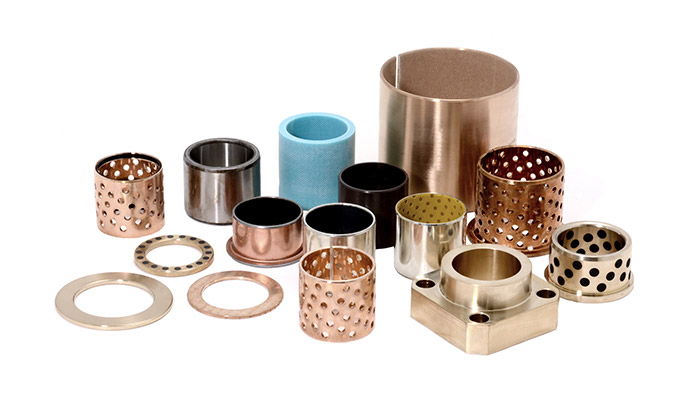
Considerations for Selecting Appropriate Sliding BearingsChoosing the right type and size of sliding bearing is crucial for ensuring optimal performance and longevity in various applications. Here are key considerations to keep in mind: Load and Application: Determine the specific load and application requirements. Different sliding bearings are designed to handle varying loads, speeds, and operating conditions. Consider whether the bearing will experience radial, axial, or combined loads, as well as the expected range of motion. Material Compatibility: Select materials that are compatible with the operating environment. Consider factors such as corrosion resistance, temperature tolerance, and exposure to chemicals or contaminants. Common bearing materials include bronze, steel, and self-lubricating polymers. Lubrication: Proper lubrication is essential for reducing friction and wear in sliding bearings. Choose a lubrication method that suits the application, whether it’s grease, oil, or self-lubricating materials. Some sliding bearings are designed for maintenance-free operation. Design and Configuration: Determine the appropriate bearing design, such as bushings, thrust washers, or linear guides. Consider the bearing’s dimensions, including inner and outer diameter, length, and width. The bearing’s configuration should match the available space and mounting requirements. Load Distribution: Ensure that the selected sliding bearing can evenly distribute the applied load across its surface. This helps prevent premature wear and ensures the bearing’s longevity. Consider the bearing’s load capacity and how it aligns with the actual load demands. Friction and Wear: Evaluate the bearing’s coefficient of friction and wear characteristics. Lower friction and wear rates contribute to longer bearing life and improved efficiency. Consider whether the bearing requires initial running-in to reach optimal performance. Maintenance and Service Life: Consider the maintenance requirements and expected service life of the sliding bearing. Some applications may benefit from bearings with extended maintenance intervals or self-lubricating properties, while others may prioritize easy replacement. Cost-Efficiency: Balancing performance with cost is essential. While high-performance materials and features can enhance bearing performance, they may also increase the upfront cost. Choose a solution that aligns with your budget and long-term operational goals. Environmental Conditions: Factor in the environmental conditions the bearing will operate in. For example, marine environments may require bearings with exceptional corrosion resistance, while high-temperature applications demand materials with thermal stability. Supplier Expertise: Partner with reputable suppliers who offer technical expertise and a range of sliding bearing solutions. Suppliers with a strong track record can provide guidance in selecting the most suitable bearing for your specific application. By carefully considering these factors, you can confidently choose the appropriate type and size of sliding bearing that meets your application’s requirements and ensures optimal performance and reliability.
Benefits of Sliding Bearings in Low-Speed and Heavy-Load ApplicationsSliding bearings offer significant advantages in low-speed and heavy-load applications, where their unique characteristics provide optimal performance. Some examples of scenarios where sliding bearings benefit such applications include:
In these scenarios and more, sliding bearings provide the necessary support, stability, and durability required for low-speed and heavy-load applications.
Design Principles and Functions of Sliding BearingsSliding bearings, also known as plain bearings or journal bearings, operate on the principle of providing a low-friction interface between two moving surfaces. The design of sliding bearings is based on creating a film of lubrication between the bearing surface and the shaft or journal it supports. This film of lubrication separates the two surfaces and minimizes direct metal-to-metal contact, reducing friction and wear. The main components and design principles of sliding bearings include:
The functions of sliding bearings include providing support to rotating or sliding shafts, reducing friction, absorbing and distributing loads, allowing for misalignment, and offering smooth movement even in dirty or contaminated environments. Sliding bearings are commonly used in various industrial machinery and equipment, including engines, pumps, conveyors, and manufacturing equipment. Overall, the design principles and functions of sliding bearings make them suitable for applications where low friction, durability, load-bearing capacity, and adaptability to varying conditions are essential.
|