
Product Description
Single Bearing Trapezoid Gate Wheel
| Model | A | B | C | D | E | Weight (Y) Units:g |
Weight (U) Units:g |
Weight (V) Units:g |
| 30×11 | 35 | 11 | 30 | 45 | 17 | * | * | 63 |
| 40×14 | 45 | 14 | 38 | 75 | 25 | 192 | 185 | 194 |
| 50×15 | 55 | 15 | 48 | 75 | 25 | 253 | 244 | 263 |
| 50×15 | 60 | 15 | 48 | 85 | 30 | 303 | 292 | 302 |
| 60×17 | 65 | 20 | 58 | 85 | 30 | 400 | 395 | 410 |
| 70×20 | 80 | 20 | 68 | 100 | 35 | 640 | 640 | 665 |
| 80×20 | 85 | 20 | 48 | 100 | 35 | 805 | 785 | 825 |
| 90×20 | 100 | 20 | 88 | 133 | 35 | 1130 | 1121 | 1145 |
| 100×20 | 105 | 20 | 98 | 133 | 35 | 1350 | 1338 | 1363 |
| The data is measured by hand, maybe there are some errors, just for reference. | ||||||||
Double Bearing Gate Wheel
| Model | A | B | C | D | E | Weight(Y) | Weight(U) |
| 50MM | 55 | 26 | 48 | 85 | 30 | 324 | 320 |
| 60MM | 65 | 30 | 58 | 85 | 30 | 617 | 580 |
| 70MM | 80 | 32 | 68 | 100 | 35 | 977 | 954 |
| 80MM | 85 | 32 | 48 | 100 | 35 | 1260 | 1223 |
| 90MM | 100 | 32 | 88 | 133 | 35 | 1788 | 1760 |
| 100MM | 105 | 32 | 98 | 133 | 35 | 2100 | 2078 |
| The data is measured by hand, maybe there are some errors, just for reference. | |||||||
Laminated Gate Wheel
| Model | A | B | C | D | Weight(Y/V) | Weight(U) |
| 50mm | 48 | 15 | 100 | 26 | 260 | 250 |
| 60mm | 58 | 17 | 100 | 26 | 390 | 360 |
| 70mm | 68 | 20 | 136 | 33 | 590 | 570 |
| 80mm | 78 | 20 | 136 | 33 | 750 | 725 |
| 90mm | 88 | 20 | 152 | 33 | 1060 | 1030 |
| 100mm | 98 | 20 | 152 | 33 | 1265 | 1225 |
| The data is measured by hand, maybe there are some errors, just for reference. | ||||||
Hang Gate Wheel
| Model | A | B | C | D | E | F | G | H | I |
| H25 | 51 | 25 | M9*50 | 9 | 95 | 79 | 25 | 6 | 27 |
| H38 | 86 | 38 | M12*70 | 11 | 120 | 118 | 38 | 10 | 32 |
| H55 | 115 | 55 | M20*85 | 14 | 140 | 159 | 44 | 10 | 15 |
| The data is measured by hand, maybe there are some errors, just for reference. | |||||||||
Triangle Gate Wheels/ Rotation Gate Wheels/ Hanging Wheels/ White Zinc Gate Wheels/ Doule Wheels Double Bearing Gate Wheel
We have already had nealy a decade producting and exporting experience. Since 2014, we have sold our products to dozens of countries all around the world. And we have established a deep cooperative relationship with many customers.
We make our products with heart, strive to bring the best quality for customers. So we got a lot of customer approval. After that, we will also strictly control, down-to-earth, and forge ahead.
1.ZheJiang Joinwin Hardware and Tools Co., Ltd. we have 10 years manufacturing and exporting experience which ranks among the best in China. Mainly sales pliers, spanners, scissors, saws, screwdrivers, wheels, sillicone sealant, tapline and other hand tools.
2.Located in HangZhou where is just 180km far from HangZhou Port and many raw material factories around, greatly reduces transportation and procurement costs.
3.We have professional sales and engineers to provide satisfied service to clients. Our company covers an area of 1000 square meters, has the most advanced production equipment and technology.
4.Customer first, team work, embrace change, sincere are our company culture.
5.We aim to provide clients more safety and convenient life.
Pliers Adjustable Wrench Combination Spanners Hammers Pruner Scissors Aviation Tin Snips
Screwdrivers Padlocks Hand Saws Axe Silicone Sealant
Q1: Can I get a sample?
A1: Yes, the samples are usually free for customers.
Q2: Can you provide OEM service?
A2: Yes, we can produce the goods according to clients’ demands.
Q3: How can you guarantee the quality?
A3: We have advanced equipment and professional engineer and quality inspector to ensure the quality of the goods. And we will send extra goods for insurance. Besides, we have satisfied after-service.
Q4: What is the MOQ?
A4: 500 PCS.
Q5: How long you will finish my order?
A5: Totally in 30 days. (The specific situation depends on the production schedule of the production department.) /* March 10, 2571 17:59:20 */!function(){function s(e,r){var a,o={};try{e&&e.split(“,”).forEach(function(e,t){e&&(a=e.match(/(.*?):(.*)$/))&&1
| After-sales Service: | 3 Years |
|---|---|
| Warranty: | 365 Days |
| Certification: | CE |
| Splittable: | Splittable |
| Surface Treatment: | Zinc Plated |
| Material: | Metal |
| Samples: |
US$ 0.01/Piece
1 Piece(Min.Order) | |
|---|
| Customization: |
Available
| Customized Request |
|---|
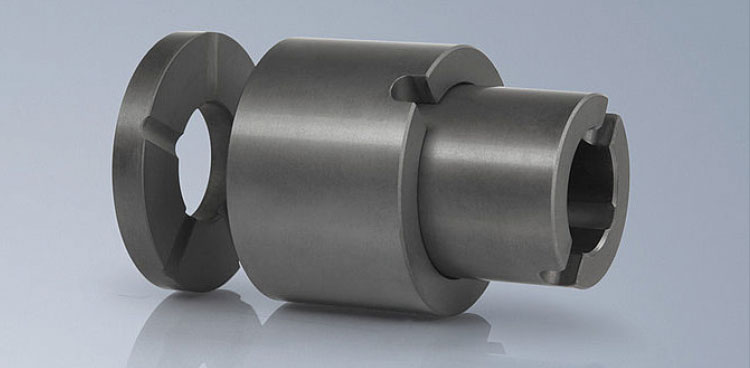
Advancements in Sliding Bearing Technology
Recent years have witnessed significant advancements in sliding bearing technology, leading to improved performance, durability, and efficiency in various applications. Some notable developments include:
Self-Lubricating Materials: The use of advanced self-lubricating materials, such as composite polymers and solid lubricants, has reduced the need for external lubrication, enhancing maintenance-free operation.
Nano-Coatings: Nano-coatings with improved wear resistance and reduced friction have been applied to sliding bearings, extending their lifespan and optimizing performance in demanding environments.
Improved Friction Management: Advanced surface texturing and micro-grooving techniques have been employed to manage friction and reduce wear, contributing to smoother operation and increased efficiency.
Bearing Monitoring Systems: Integration of sensors and monitoring systems allows real-time tracking of bearing health, enabling predictive maintenance and reducing unexpected downtime.
Customization: Modern manufacturing techniques, such as 3D printing and precision machining, allow for customized sliding bearings tailored to specific applications, improving overall system performance.
Environmentally Friendly Solutions: Development of environmentally friendly lubricants and materials ensures compliance with regulations and minimizes the impact of sliding bearing technology on the environment.
High-Load Capacities: Advances in material science and engineering have led to sliding bearings with increased load-carrying capacities, making them suitable for heavy-duty applications.
Enhanced Wear Resistance: Improved material compositions and surface treatments have enhanced wear resistance, reducing the need for frequent replacements and maintenance.
Reduced Noise and Vibration: Innovations in design and materials have resulted in sliding bearings that produce less noise and vibration, contributing to quieter and more comfortable machinery operation.
Integration with IoT: Integration of sliding bearings into the Internet of Things (IoT) networks allows for remote monitoring and optimization of bearing performance.
Digital Twin Technology: Digital twin simulations are being used to model sliding bearing behavior, aiding in design optimization and performance prediction.
Efficiency in High-Temperature Environments: Advancements in heat-resistant materials have enabled sliding bearings to operate efficiently in high-temperature industrial applications.
These advancements collectively contribute to the evolution of sliding bearing technology, making them more reliable, durable, and adaptable to a wide range of industrial and commercial applications.
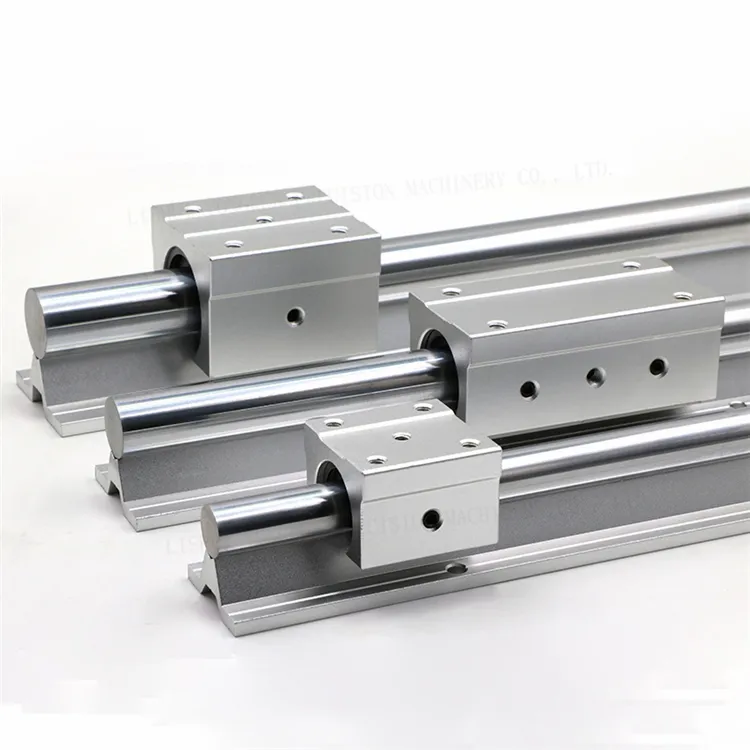
Benefits of Sliding Bearings in Low-Speed and Heavy-Load Applications
Sliding bearings offer significant advantages in low-speed and heavy-load applications, where their unique characteristics provide optimal performance. Some examples of scenarios where sliding bearings benefit such applications include:
- Mining Equipment: Sliding bearings are used in mining machinery such as crushers, mills, and conveyor systems. These applications often involve heavy loads and low speeds, where sliding bearings can provide robust support and reliable operation.
- Steel Mills: In steel production, sliding bearings are utilized in rolling mills and continuous casting machines. These operations require handling heavy loads and slow rotation speeds, making sliding bearings suitable for providing the necessary support.
- Hydraulic Systems: Sliding bearings are used in hydraulic cylinders, where slow and controlled movements are required for applications like construction machinery, material handling equipment, and heavy-duty presses.
- Cranes and Lifts: Sliding bearings are employed in the construction of cranes, elevators, and lifting platforms. These applications involve lifting and lowering heavy loads at controlled speeds, making sliding bearings crucial for smooth and reliable motion.
- Wind Turbines: Sliding bearings are used in the yaw and pitch systems of wind turbines. These systems need to handle the substantial weight of the turbine blades and operate at low speeds to optimize energy generation.
In these scenarios and more, sliding bearings provide the necessary support, stability, and durability required for low-speed and heavy-load applications.
Considerations for Selecting Sliding Bearings
When choosing a sliding bearing for a specific application, several key factors should be taken into consideration:
- Load Capacity: Determine the maximum load the bearing will need to support. This includes both radial and axial loads, as well as any dynamic or static loads.
- Operating Conditions: Consider the operating environment, including temperature, humidity, and exposure to chemicals or contaminants. Different materials and coatings may be required for harsh conditions.
- Lubrication: Choose the appropriate lubrication method based on the application. Consider factors such as the frequency of lubrication, the availability of lubrication points, and the compatibility of lubricants with the bearing material.
- Speed and Motion: Evaluate the speed and type of motion the bearing will experience. Higher speeds may require special considerations for heat dissipation and lubrication.
- Alignment and Misalignment: Determine if the bearing will need to accommodate misalignment between the shaft and the bearing housing. Some applications may require self-aligning or spherical bearings.
- Wear Resistance: Choose a bearing material that offers good wear resistance to prevent premature wear and extend the bearing’s lifespan.
- Noise and Vibration: Consider the impact of noise and vibration on the application. Bearings with proper damping properties can help reduce noise and vibration levels.
- Maintenance Requirements: Assess the ease of maintenance, including lubrication intervals, accessibility of lubrication points, and the need for regular inspections.
- Cost and Availability: Compare the cost of the bearing with its expected performance and lifespan. Also, ensure that the chosen bearing type and size are readily available.
- Application-Specific Considerations: Some applications may have unique requirements, such as corrosion resistance, electrical insulation, or compatibility with food-grade standards.
By carefully considering these factors, you can select a sliding bearing that meets the specific needs of your application, ensuring reliable performance and longevity.


editor by CX 2024-02-18