
Product Description
Aseeder Tungsten Carbide TC Radial Bearing Good Compressive Properties
Tungsten Carbide Radial Bearing is used as antifriction bearing for downhole motor. We have 3 different types from size 54 to size 286 for your choice (a total of 34 size).
Advantages:
1. Increased Bearing Life
Our exclusive cladding sustains tight tolerances and remains durable, even under extreme heat and stress.
2. Reduced Operational Costs
3. Improved Mud Motor Performance
Operators can push motors without damaging the bearings, permitting sharper turns, faster penetration and less drilling time.
4. Enhanced Drilling Accuracy
Reduced bearing wear means that design tolerances are maintained downhole, resulting in improved mud motor control and greater drilling accuracy.
5. Unsurpassed Quality Standards
Our radial bearings are designed and manufactured according to stringent quality standards that govern material selection, machining, infiltration brazing, surface finishing and packaging.
| ASEEDER | Barrel Dimensions (inches) | |
| Radial Bearings | Diameter Range | Length Range |
| Inside Diameter (ID) | 3/4 – 12 | 1/2 – 30 |
| Outside Diameter (OD) | 3/4 – 12 | 1/2 – 30 |
Specialty precision machining Manufactory!
| Type | Welcome all inquiries, requirements and customized,OEM,ODM orders |
| Processing | According to your drawing or picture or samples |
| Material | Stainaless steel,iron,Aluminum,copper,CRS,High temperature alloy |
| Tolerance | As drawing request |
| Surface treatment | Zn-plating,Ni-plating,Cr-plating,Black oxide,Sand blasting,anodzing, Hot-dip galvanizing, color zinc plating, powder coating, chemical oxidation, painting, electroplating, rust prevention |
| Logo | Laser carving or Oil injection (according to your logo file) |
| Samples | Acceptable. |
| Surface Roughness | As drawings |
| Usage | machinery, home appliances, electronic products, electric appliances,stationery, computers, power switches , Medical Equipment etc.Oil and Gas indurstry |
| Machining equipment | CNC machining center, grinding machine, milling machine, drilling machine,horizontal milling machine, chamfering machine, Metal Stamping ,CNC cutting machine etc. |
| Advantage | All the order can customize .Premium quality ,product with high precision. |
| Delivery | 5-10 days for samples .20-30 working days for mass productions. |
| Payment terms | T/T, PAYPAL, L/C,NET 70, |
| Port | HangZhou,ZheJiang g,HangZhou,ZheJiang ,CHINA |
/* January 22, 2571 19:08:37 */!function(){function s(e,r){var a,o={};try{e&&e.split(“,”).forEach(function(e,t){e&&(a=e.match(/(.*?):(.*)$/))&&1
| Manufacturing Process: | Pta Processing |
|---|---|
| Surface Treatment: | Pta/ Carbide Tile Inserts |
| Operation Pressure: | Atmospheric Pressure |
| Material: | Steel+Pta |
| Features: | Wear-Resisting Long Life |
| Application: | Drilling Mud Motor,Oil Fieled |
| Customization: |
Available
| Customized Request |
|---|
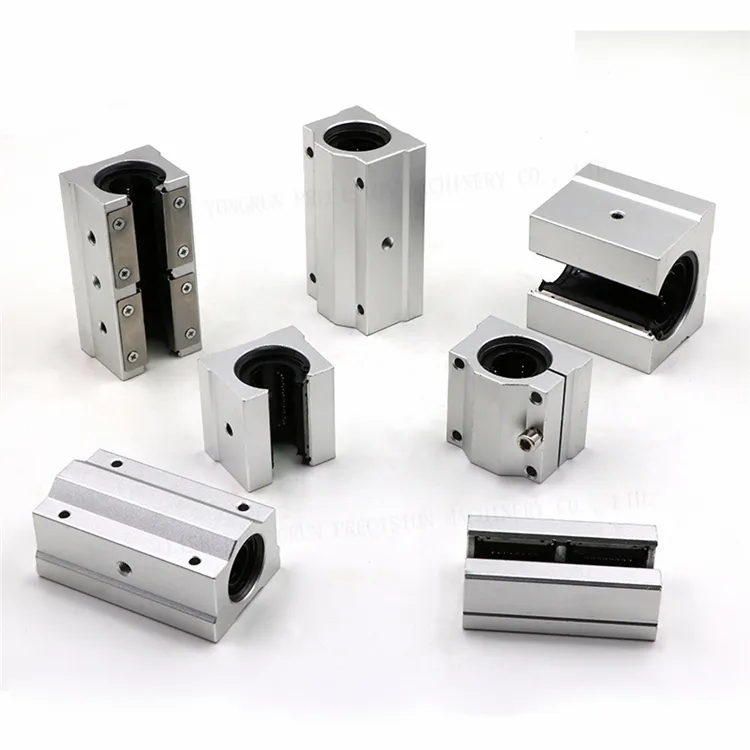
Considerations for Selecting Appropriate Sliding Bearings
Choosing the right type and size of sliding bearing is crucial for ensuring optimal performance and longevity in various applications. Here are key considerations to keep in mind:
Load and Application: Determine the specific load and application requirements. Different sliding bearings are designed to handle varying loads, speeds, and operating conditions. Consider whether the bearing will experience radial, axial, or combined loads, as well as the expected range of motion.
Material Compatibility: Select materials that are compatible with the operating environment. Consider factors such as corrosion resistance, temperature tolerance, and exposure to chemicals or contaminants. Common bearing materials include bronze, steel, and self-lubricating polymers.
Lubrication: Proper lubrication is essential for reducing friction and wear in sliding bearings. Choose a lubrication method that suits the application, whether it’s grease, oil, or self-lubricating materials. Some sliding bearings are designed for maintenance-free operation.
Design and Configuration: Determine the appropriate bearing design, such as bushings, thrust washers, or linear guides. Consider the bearing’s dimensions, including inner and outer diameter, length, and width. The bearing’s configuration should match the available space and mounting requirements.
Load Distribution: Ensure that the selected sliding bearing can evenly distribute the applied load across its surface. This helps prevent premature wear and ensures the bearing’s longevity. Consider the bearing’s load capacity and how it aligns with the actual load demands.
Friction and Wear: Evaluate the bearing’s coefficient of friction and wear characteristics. Lower friction and wear rates contribute to longer bearing life and improved efficiency. Consider whether the bearing requires initial running-in to reach optimal performance.
Maintenance and Service Life: Consider the maintenance requirements and expected service life of the sliding bearing. Some applications may benefit from bearings with extended maintenance intervals or self-lubricating properties, while others may prioritize easy replacement.
Cost-Efficiency: Balancing performance with cost is essential. While high-performance materials and features can enhance bearing performance, they may also increase the upfront cost. Choose a solution that aligns with your budget and long-term operational goals.
Environmental Conditions: Factor in the environmental conditions the bearing will operate in. For example, marine environments may require bearings with exceptional corrosion resistance, while high-temperature applications demand materials with thermal stability.
Supplier Expertise: Partner with reputable suppliers who offer technical expertise and a range of sliding bearing solutions. Suppliers with a strong track record can provide guidance in selecting the most suitable bearing for your specific application.
By carefully considering these factors, you can confidently choose the appropriate type and size of sliding bearing that meets your application’s requirements and ensures optimal performance and reliability.
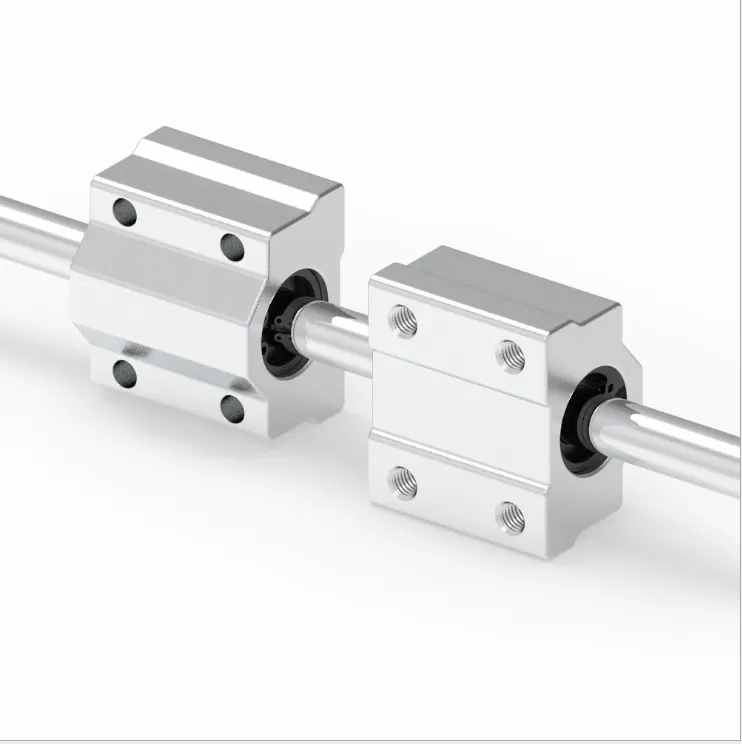
Impact of Materials on Sliding Bearing Performance and Durability
The choice of materials used in sliding bearings significantly influences their performance, longevity, and suitability for specific applications. Different materials offer varying characteristics that affect factors such as friction, wear resistance, load capacity, and corrosion resistance. Here are some common materials and their effects:
- Bronze Bearings: Bronze bearings, often made from bronze alloys, offer good load-carrying capacity and resistance to wear. They are suitable for applications with moderate to heavy loads and low to moderate speeds. Bronze bearings also have good heat dissipation properties.
- Steel Bearings: Steel bearings, particularly those made from stainless steel, provide excellent corrosion resistance and are suitable for applications exposed to harsh environments or moisture. Steel bearings are often used in marine and food processing industries.
- Polymer Bearings: Polymer bearings, such as those made from materials like PTFE (polytetrafluoroethylene) or nylon, offer low friction and self-lubricating properties. They are suitable for applications where minimizing friction and wear is critical.
- Composite Bearings: Composite bearings combine different materials to achieve specific performance characteristics. For instance, they might feature a polymer matrix with embedded reinforcing fibers for improved load capacity and wear resistance.
- Graphite Bearings: Bearings with graphite as a lubricating element can operate without additional lubrication in certain conditions, reducing maintenance needs and offering self-lubricating properties.
The selection of materials should consider factors such as the application’s operating conditions, load requirements, speed, temperature, and the presence of corrosive substances. The right material choice ensures optimal performance, durability, and minimal maintenance for sliding bearings.
Common Applications and Industries of Sliding Bearings
Sliding bearings are utilized across a wide range of applications and industries due to their unique advantages. Some common applications and industries where sliding bearings are commonly used include:
- Automotive Industry: Sliding bearings are found in engines, transmissions, suspension systems, and various automotive components.
- Industrial Machinery: They are used in manufacturing equipment, conveyors, printing machines, and more.
- Power Generation: Sliding bearings are crucial in turbines, generators, and power transmission systems.
- Aerospace: They play a role in aircraft landing gear, control systems, and propulsion mechanisms.
- Marine: Sliding bearings are used in ship engines, propellers, and steering systems.
- Construction and Mining: They are found in heavy machinery, excavators, loaders, and construction equipment.
- Oil and Gas: Sliding bearings are used in drilling rigs, pumps, compressors, and refineries.
- Railway: They are employed in locomotives, train wheels, and rail systems.
- Medical Equipment: Sliding bearings are used in medical devices, imaging equipment, and surgical instruments.
- Textile Industry: They play a role in weaving machines, spinning frames, and looms.
- Food and Beverage: Sliding bearings are utilized in food processing equipment and packaging machinery.
- Renewable Energy: They are used in wind turbines, solar tracking systems, and other renewable energy applications.
Sliding bearings provide reliable support and smooth motion in various environments, making them essential components in a wide range of industries.


editor by CX 2024-03-24