
Product Description
GX 10 S GX 10 T Thrust Spherical Plain Bearings Lubricated for Trailer Part
Application
Spherical Plain Bearings have an inner ring with a sphere convex outside surface and an outer ring with a correspondingly sphere,
but concave inside surface. Their design makes them particularly suitable for bearing arrangements where alignment movements
between shaft and housing have to accommodate, or where oscillating or recurrent tilting movements must be permitted at relatively
slow sliding speeds.
GX S Series Thrust Spherical Plain Bearing
| Product Name | Thrust Spherical Plain Bearing |
| Precision Rating | P6, P0, P5, P4, P2 |
| Material | Bearing Steel (GCr15) |
| Clearance | C0 C1 C2 C3 C4 C5 |
| Vibration & Noisy | Z1,Z2,Z3 V1,V2,V3 |
| Sliding Contact | Steel-on-Steel |
| Features | High Precision, High Speed, Long Life, High Reliability, Low Noise , Reduce Friction |
| Certification | ISO 9001:2008 |
| Packing | 1.Neutral Packing Bearing 2.Industrial Packing 3.Commercial Packing Bearing 4.Customize |
| Delivery Time | 30 – 45 Days After The Order is Confirmed |
| Shippment | 1.By Sea 2.By Air 3.By Express |
| Website | http://hlimachinery |
GX…S Series Thrust Spherical Plain Bearing Specification (Steel-on-Steel)
| Model | Dimensions (mm) | Load ratings (KN) | Mass | ||||||||||||
| d | D | B | C | T | dk | S | d2 | D1 | A | rs | α | C | C0 | kg | |
| max | min | min | |||||||||||||
| GX 10 S | 10 | 30 | 7.5 | 7 | 9.5 | 32 | 7 | 27.5 | 15.5 | 3 | 0.6 | 5 | 27 | 136 | 0.036 |
| GX 12 S | 12 | 35 | 9.5 | 9.3 | 13 | 38 | 8 | 32 | 18 | 4 | 0.6 | 5 | 37 | 188 | 0.072 |
| GX 15 S | 15 | 42 | 11 | 10.8 | 15 | 46 | 10 | 39 | 22.5 | 5 | 0.6 | 6 | 53 | 267 | 0.108 |
| GX 17 S | 17 | 47 | 11.8 | 11.2 | 16 | 52 | 11 | 43.5 | 27 | 5 | 0.6 | 4 | 61 | 311 | 0.137 |
| GX 20 S | 20 | 55 | 14.5 | 13.8 | 20 | 60 | 12.5 | 50 | 31 | 6 | 1 | 5 | 84 | 425 | 0.246 |
| GX 25 S | 25 | 62 | 16.5 | 16.7 | 22.5 | 68 | 14 | 58.5 | 34.5 | 6 | 1 | 5 | 134 | 672 | 0.415 |
| GX 30 S | 30 | 75 | 19 | 19 | 26 | 82 | 17.5 | 70 | 42 | 8 | 1 | 5 | 182 | 909 | 0.614 |
| GX 35 S | 35 | 90 | 22 | 20.7 | 28 | 98 | 22 | 84 | 50.5 | 8 | 1 | 5 | 266 | 1330 | 0.973 |
| GX 40 S | 40 | 105 | 27 | 21.5 | 32 | 114 | 24.5 | 97 | 59 | 9 | 1 | 6 | 357 | 1810 | 1.59 |
| GX 45 S | 45 | 120 | 31 | 25.5 | 36.5 | 128 | 27.5 | 110 | 67 | 11 | 1 | 6 | 486 | 2470 | 2.24 |
| GX 50 S | 50 | 130 | 33 | 30.5 | 42.5 | 139 | 30 | 120 | 70 | 10 | 1 | 6 | 554 | 2810 | 3.14 |
| GX 60 S | 60 | 150 | 37 | 34 | 45 | 160 | 35 | 140 | 84 | 12.5 | 1 | 6 | 748 | 3820 | 4.63 |
| GX 70 S | 70 | 160 | 42 | 36.5 | 50 | 176 | 35 | 153 | 94.5 | 13.5 | 1 | 3 | 902 | 4610 | 5.37 |
| GX 80 S | 80 | 180 | 43.5 | 38 | 50 | 197 | 42.5 | 172 | 107.5 | 14.5 | 1 | 4 | 1110 | 5700 | 6.91 |
| GX 100 S | 100 | 210 | 51 | 46 | 59 | 222 | 45 | 198 | 127 | 15 | 1.1 | 4 | 1300 | 6470 | 10.9 |
| GX 120 S | 120 | 230 | 53.5 | 50 | 64 | 250 | 52.5 | 220 | 145 | 16.5 | 1.1 | 3 | 1530 | 7580 | 13.9 |
GX T Series Thrust Spherical Plain Bearing Specification (Steel-on-PTFE Fabric)
| Model | Dimensions (mm) | Load ratings (KN) | Mass | |||||||||||
| d | D | B | C | T | dk | S | d2 | D1 | rs | α | C | C0 | kg | |
| max | min | min | ||||||||||||
| GX 10 T | 10 | 30 | 7.5 | 7 | 9.5 | 32 | 7 | 27.5 | 15.5 | 0.6 | 5 | 45 | 120 | 0.036 |
| GX 12 T | 12 | 35 | 9.5 | 9.3 | 13 | 38 | 8 | 32 | 18 | 0.6 | 5 | 65 | 165 | 0.072 |
| GX 15 T | 15 | 42 | 11 | 10.8 | 15 | 46 | 10 | 39 | 22.5 | 0.6 | 6 | 95 | 235 | 0.108 |
| GX 17 T | 17 | 47 | 11.8 | 11.2 | 16 | 52 | 11 | 43.5 | 27 | 0.6 | 4 | 110 | 275 | 0.137 |
| GX 20 T | 20 | 55 | 14.5 | 13.8 | 20 | 60 | 12.5 | 50 | 31 | 1 | 5 | 150 | 380 | 0.246 |
| GX 25 T | 25 | 62 | 16.5 | 16.7 | 22.5 | 68 | 14 | 58.5 | 34.5 | 1 | 5 | 245 | 600 | 0.415 |
| GX 30 T | 30 | 75 | 19 | 19 | 26 | 82 | 17.5 | 70 | 42 | 1 | 5 | 335 | 820 | 0.614 |
| GX 35 T | 35 | 90 | 22 | 20.7 | 28 | 98 | 22 | 84 | 50.5 | 1 | 5 | 490 | 1200 | 0.973 |
| GX 40 T | 40 | 105 | 27 | 21.5 | 32 | 114 | 24.5 | 97 | 59 | 1 | 6 | 675 | 1640 | 1.59 |
| GX 45 T | 45 | 120 | 31 | 25.5 | 36.5 | 128 | 27.5 | 110 | 67 | 1 | 6 | 915 | 2240 | 2.24 |
| GX 50 T | 50 | 130 | 33 | 30.5 | 42.5 | 139 | 30 | 120 | 70 | 1 | 6 | 1040 | 2550 | 3.14 |
| GX 60 T | 60 | 150 | 37 | 34 | 45 | 160 | 35 | 140 | 84 | 1 | 6 | 1360 | 3470 | 4.63 |
| GX 70 T | 70 | 160 | 42 | 36.5 | 50 | 176 | 35 | 153 | 94.5 | 1 | 3 | 1640 | 4180 | 5.37 |
| GX 80 T | 80 | 180 | 43.5 | 38 | 50 | 197 | 42.5 | 172 | 107.5 | 1 | 4 | 2030 | 5180 | 6.91 |
| GX 100 T | 100 | 210 | 51 | 46 | 59 | 222 | 45 | 198 | 127 | 1.1 | 4 | 2230 | 5940 | 10.9 |
| GX 120 T | 120 | 230 | 53.5 | 50 | 64 | 250 | 52.5 | 220 | 145 | 1.1 | 3 | 2610 | 6960 | 13.9 |
About Us
HENGLI Machinery Company is a well-established Chinese bearing supplier. We design, manufacture and wholesale bearings.
Our specialized manufacturer of Spherical Roller Bearing & Cylindrical Roller Bearing,
XIHU (WEST LAKE) DIS. Rolling Bearing Co., Ltd was established in 1970 and is accredited by the Chinese Ministry of Machine Building.
We invested in 2 additional specialized bearing factories, which allow us to provide our clients with top of the line products such as
Needle Roller Bearings, Spherical Plain Bearings, Rod Ends Bearings, Ball Joint Bearings, Tapered Roller Bearings,
Cam Follower Bearings, Thrust Bearings, Wheel Hub Bearings and Non-Standard Bearings.
FAQ
Q1 – What is our advantages?
A – Manufacturer – Do it only with the Best;
-Your Choice make different.
Q2 – Our Products
A – Spherical Roller Bearing, Cylindrical Roller Bearing, Needle Roller Bearing, Cam Followers, Thrust Bearing
– Spherical Plain Bearing, Rod End, Ball Joint, Wheel Hub, Tapered Roller Bearing
Q3 – Process of our production
A – Heat Treatment – Grinding – Parts Inspection – Assembly – Final Inspection – Packing
Q4 – How to customize bearing(non-standard) from your company?
A -We offer OEM,Customized(Non-standard) service and you need to provide drawing and detailed Technical Data.
Q5 – What should I care before installation?
A – Normally, the preservative with which new bearings are coated before leaving the factory does not need to be
removed; it is only necessary to wipe off the outside cylindrical surface and bore, if the grease is not compatible
with the preservative, it is necessary to wash and carefully dry the bearing.
-Bearings should be installed in a dry, dust-free room away from metal working or other machines producing
swarf and dust.
Q6 – How to stock and maintenance my bearings right?
A – Do not store bearings directly on concrete floors, where water can condense and collect on the bearing;
-Store the bearings on a pallet or shelf, in an area where the bearings will not be subjected to high humidity
or sudden and severe temperature changes that may result in condensation forming;
-Always put oiled paper or, if not available, plastic sheets between rollers and cup races of tapered roller bearings.
/* January 22, 2571 19:08:37 */!function(){function s(e,r){var a,o={};try{e&&e.split(“,”).forEach(function(e,t){e&&(a=e.match(/(.*?):(.*)$/))&&1
| Rolling Element: | Single Row |
|---|---|
| Structure: | To The Heart |
| Material: | Bearing Steel |
| Load Direction: | Radial Spherical Plain Bearing |
| Add Lubricant: | Non Self-lubricating |
| Outer Structure: | Whole Outer Ring |
| Samples: |
US$ 1/Piece
1 Piece(Min.Order) | |
|---|
| Customization: |
Available
| Customized Request |
|---|
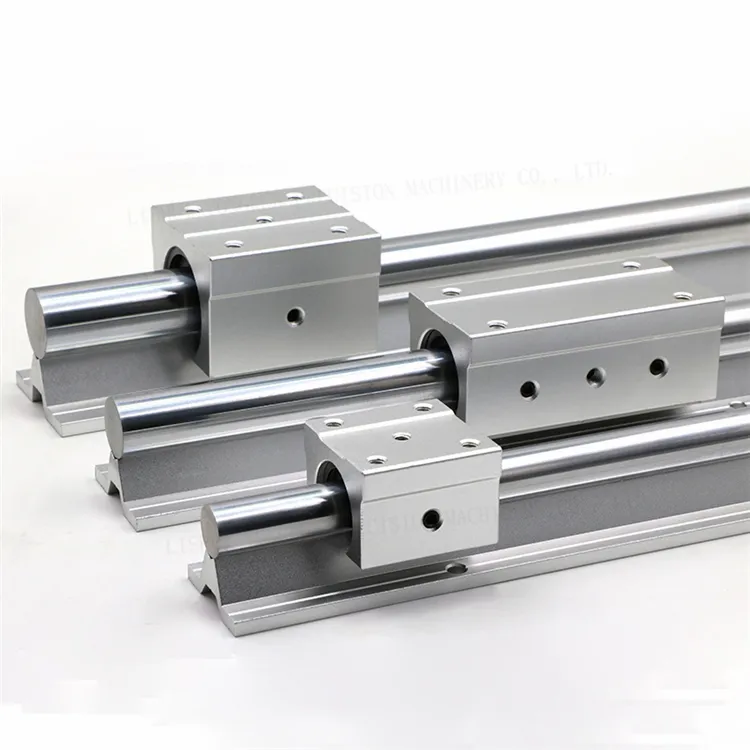
Differences Between Plain Sliding Bearings and Self-Lubricating Bearings
Plain sliding bearings and self-lubricating bearings are two distinct types of bearings used in various applications. Here are the key differences between them:
Plain Sliding Bearings:
- Plain sliding bearings, also known as bushings, are simple bearing components that consist of a cylindrical sleeve made of a bearing material.
- These bearings require external lubrication, such as grease or oil, to reduce friction and wear between the bearing and the shaft.
- Regular maintenance and lubrication are essential to ensure proper operation and longevity.
- Plain sliding bearings are cost-effective and suitable for applications where lubrication can be easily provided.
- They are commonly used in low-speed and low-load applications, where the shaft slides within the bearing.
Self-Lubricating Bearings:
- Self-lubricating bearings, also known as maintenance-free bearings, are designed to operate without the need for external lubrication.
- These bearings incorporate solid lubricants, such as graphite, PTFE (polytetrafluoroethylene), or other additives, directly into the bearing material.
- The solid lubricants are released gradually as the bearing operates, reducing friction and providing a consistent lubricating film.
- Self-lubricating bearings are ideal for applications where frequent maintenance or lubrication is impractical or not feasible.
- They are suitable for both low-load and high-load applications, as the self-lubricating properties help extend the bearing’s service life.
In summary, plain sliding bearings require external lubrication and are suitable for applications where lubrication can be provided, while self-lubricating bearings incorporate solid lubricants and operate without the need for regular maintenance. The choice between these two types depends on factors such as the application’s operating conditions, maintenance requirements, and budget considerations.
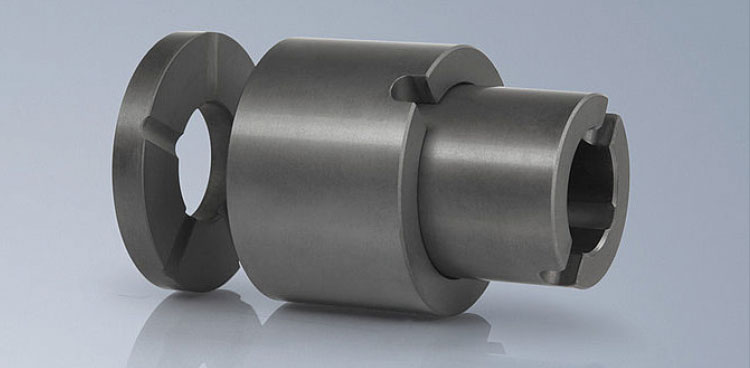
Maintenance Practices to Extend the Lifespan of Sliding Bearings
Proper maintenance is essential for maximizing the lifespan of sliding bearings and ensuring optimal performance. Here are specific practices that can help extend the life of sliding bearings:
Regular Lubrication: Adequate lubrication is crucial for minimizing friction and wear between sliding surfaces. Follow manufacturer recommendations for lubrication intervals and use the appropriate lubricants for the operating conditions.
Clean Environment: Keep the surrounding environment clean and free from dust, dirt, and contaminants. Regularly clean the machinery or equipment to prevent debris from entering the bearing area.
Seal Integrity: Ensure that bearing seals are in good condition to prevent contaminants from entering and lubricant from escaping. Replace damaged seals promptly to maintain proper protection.
Alignment and Mounting: Proper alignment and mounting of sliding bearings are critical to distribute loads evenly and prevent excessive wear. Follow manufacturer guidelines for installation procedures and torque specifications.
Regular Inspections: Schedule routine inspections to detect early signs of wear, damage, or misalignment. Visual inspections, temperature checks, and vibration analysis can help identify issues before they escalate.
Maintenance Records: Maintain detailed records of maintenance activities, including lubrication schedules, inspections, and replacements. This information can help track the condition of sliding bearings and plan maintenance tasks effectively.
Temperature Management: Control operating temperatures within recommended limits. Excessive heat can degrade lubricants and accelerate wear, while extreme cold can affect bearing performance.
Load Management: Avoid subjecting sliding bearings to loads beyond their specified capacities. Overloading can lead to premature wear and damage.
Training and Education: Ensure that personnel responsible for maintenance are adequately trained in proper procedures. Knowledgeable staff can perform maintenance tasks accurately and identify potential issues.
Timely Replacement: When wear or damage is detected that exceeds acceptable limits, replace sliding bearings promptly to prevent further damage to the machinery or equipment.
By implementing these maintenance practices, you can significantly extend the lifespan of sliding bearings, reduce downtime, and optimize the performance of machinery and equipment.
Sliding Bearings and Their Applications
Sliding bearings, also known as plain bearings or journal bearings, are a type of bearing that operate on the principle of sliding friction between two surfaces. They are utilized in various applications where rotational or linear movement needs to be facilitated while minimizing friction and wear. Here are some common applications of sliding bearings:
- Automotive Industry: Sliding bearings are widely used in engines and transmissions of vehicles to support rotating shafts and provide low-friction movement.
- Industrial Machinery: They are employed in industrial equipment such as pumps, compressors, and turbines, where they help in reducing friction and ensuring smooth operation.
- Aerospace: Sliding bearings are crucial components in aircraft engines, landing gear systems, and various aerospace mechanisms to provide reliable and low-wear motion.
- Power Generation: In power plants, sliding bearings are found in turbines, generators, and other rotating equipment to facilitate movement with minimal energy loss.
- Marine Applications: They are used in ship engines, propellers, and other marine equipment, providing durability in harsh marine environments.
- Construction Equipment: Sliding bearings are used in construction machinery like cranes and excavators to support heavy loads and ensure smooth movement.
- Heavy Industry: Various heavy industries, including mining and steel production, rely on sliding bearings for their robustness and ability to handle heavy loads.
- Home Appliances: Sliding bearings are found in appliances like washing machines and refrigerators, facilitating the movement of rotating parts.
- Medical Devices: Some medical devices use sliding bearings for their precision and low friction, ensuring accurate movement in equipment like medical scanners and robotic surgical systems.
Sliding bearings are chosen for applications where simplicity, cost-effectiveness, and reliable performance are essential. They come in different designs, such as plain cylindrical bearings, thrust bearings, and spherical bearings, to suit various motion requirements. Regular maintenance and proper lubrication are necessary to ensure the longevity and optimal performance of sliding bearings in their respective applications.


editor by CX 2024-04-04