
Product Description
Joint bearing is a kind of spherical sliding bearing, its sliding contact surface is an inner sphere and an outer sphere, the movement can be rotated at any angle swing, it adopts the surface phosphatization, blowing mouth, inlaid gasket, spraying and so on many kinds of special technology treatment method to produce and become. The joint bearing has the characteristics of large load capacity, impact resistance, corrosion resistance, wear resistance, self-aligning, good lubrication and so on.
Specification
|
Bearing No. |
Dimensions(mm) |
|||
|
d |
D |
B |
||
|
GE4ES |
|
4 |
12 |
5 |
|
GE5ES |
|
5 |
14 |
6 |
|
GE6ES |
|
6 |
14 |
6 |
|
GE7ES |
|
7 |
15 |
7 |
|
GE8ES |
|
8 |
16 |
8 |
|
GE9ES |
|
9 |
18 |
8 |
|
GE10ES |
|
10 |
19 |
9 |
|
GE12ES |
|
12 |
22 |
10 |
|
GE15ES |
GE15ES-2RS |
15 |
26 |
12 |
|
GE17ES |
GE17ES-2RS |
17 |
30 |
14 |
|
GE20ES |
GE20ES-2RS |
20 |
35 |
16 |
|
GE25ES |
GE25ES-2RS |
25 |
42 |
20 |
|
GE30ES |
GE30ES-2RS |
30 |
47 |
22 |
|
GE35ES |
GE35ES-2RS |
35 |
55 |
25 |
|
GE40ES |
GE40ES-2RS |
40 |
62 |
28 |
|
GE45ES |
GE45ES-2RS |
45 |
68 |
32 |
|
GE50ES |
GE50ES-2RS |
50 |
75 |
35 |
|
GE60ES |
GE60ES-2RS |
60 |
90 |
44 |
|
GE70ES |
GE70ES-2RS |
70 |
105 |
49 |
|
GE80ES |
GE80ES-2RS |
80 |
120 |
55 |
|
GE90ES |
GE90ES-2RS |
90 |
130 |
60 |
|
GE100ES |
GE100ES-2RS |
100 |
150 |
70 |
|
GE110ES |
GE110ES-2RS |
110 |
160 |
70 |
|
GE120ES |
GE120ES-2RS |
120 |
180 |
85 |
|
GE140ES |
GE140ES-2RS |
140 |
210 |
90 |
|
GE160ES |
GE160ES-2RS |
160 |
230 |
105 |
|
GE180ES |
GE180ES-2RS |
180 |
260 |
105 |
|
GE200ES |
GE200ES-2RS |
200 |
290 |
130 |
|
Bearing No. |
Dimensions(mm) |
||
|
d |
D |
B |
|
|
GEG8ES |
8 |
19 |
11 |
|
GEG10ES |
10 |
22 |
12 |
|
GEG12ES |
12 |
26 |
15 |
|
GEG15ES |
15 |
30 |
16 |
|
GEG17ES |
17 |
35 |
20 |
|
GEG20ES |
20 |
42 |
25 |
|
GEG25ES |
25 |
47 |
28 |
|
GEG30ES |
30 |
55 |
32 |
|
GEG35ES |
35 |
62 |
35 |
|
GEG40ES |
40 |
68 |
40 |
|
GEG45ES |
45 |
75 |
43 |
|
GEG50ES |
50 |
90 |
56 |
|
GEG60ES |
60 |
105 |
63 |
|
GEG70ES |
70 |
120 |
70 |
|
GEG80ES |
80 |
130 |
75 |
|
GEG90ES |
90 |
150 |
85 |
|
GEG100ES |
100 |
160 |
85 |
ZheJiang Haina Bearing Co., Ltd. is an integrated company of industry and trade. Since its establishment, it has been committed to the research and development, production, and sales of high-end 7 types of tapered roller bearings, British non-standard bearings, deep groove ball bearings, and outer spherical bearings. We can customize and adjust various types of bearings according to customer needs. The products are widely applicablein fields such as automobiles, mines, chemicals, metallurgy, reducers, engineering machinery, agricultural machinery, and electric motors.
Our company has advanced testing equipment, forming a production model of product serialization and mass production. We have a group of experienced and skilled management personnel, who have introduced advanced production equipment and measuringand testing equipment. From the purchase of bearing raw materials to the delivery of finished products, we strictly control the entire process, ensuring the quality of the products.The products have the characteristics of precision, low noise, high load-bearing capacity and long service life.
1. Your factory how to control the quality?
A: All bearing parts before the production and the production process, strict inspection by 100%, including crack detection, roundness, hardness,
roughness,and the geometry size, all bearing meet ISO international standard.
2. Can you tell me the bearing material?
A: We have chrome steel GCR15, stainless steel, ceramics and other materials.
3. How long is your delivery time?
A: If the goods are in stock, usually 5 to 10 days, if the goods are no stock for 15 to 20 days, according to the quantity to determine the time.
4. OEM and custom you can receive?
A: Yes, accept OEM, can also be customized according to samples or drawings for you.
/* January 22, 2571 19:08:37 */!function(){function s(e,r){var a,o={};try{e&&e.split(“,”).forEach(function(e,t){e&&(a=e.match(/(.*?):(.*)$/))&&1
| Rolling Element: | Single Row |
|---|---|
| Structure: | Rod End |
| Material: | Bearing Steel |
| Load Direction: | Radial Spherical Plain Bearing |
| Add Lubricant: | Self-lubricating |
| Outer Structure: | Two Semi-Outer |
| Samples: |
US$ 1.24/Piece
1 Piece(Min.Order) | |
|---|
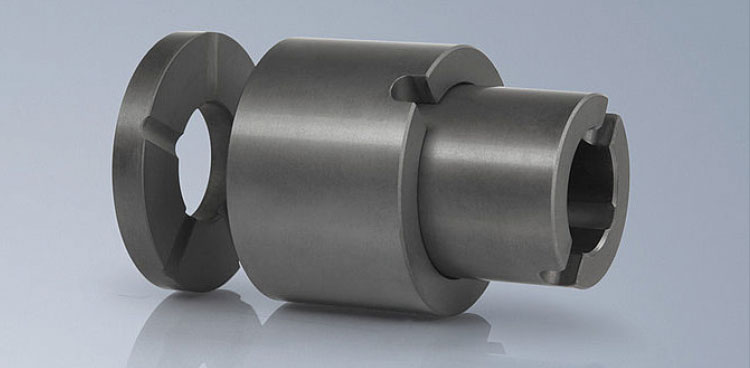
Advancements in Sliding Bearing Technology
Recent years have witnessed significant advancements in sliding bearing technology, leading to improved performance, durability, and efficiency in various applications. Some notable developments include:
Self-Lubricating Materials: The use of advanced self-lubricating materials, such as composite polymers and solid lubricants, has reduced the need for external lubrication, enhancing maintenance-free operation.
Nano-Coatings: Nano-coatings with improved wear resistance and reduced friction have been applied to sliding bearings, extending their lifespan and optimizing performance in demanding environments.
Improved Friction Management: Advanced surface texturing and micro-grooving techniques have been employed to manage friction and reduce wear, contributing to smoother operation and increased efficiency.
Bearing Monitoring Systems: Integration of sensors and monitoring systems allows real-time tracking of bearing health, enabling predictive maintenance and reducing unexpected downtime.
Customization: Modern manufacturing techniques, such as 3D printing and precision machining, allow for customized sliding bearings tailored to specific applications, improving overall system performance.
Environmentally Friendly Solutions: Development of environmentally friendly lubricants and materials ensures compliance with regulations and minimizes the impact of sliding bearing technology on the environment.
High-Load Capacities: Advances in material science and engineering have led to sliding bearings with increased load-carrying capacities, making them suitable for heavy-duty applications.
Enhanced Wear Resistance: Improved material compositions and surface treatments have enhanced wear resistance, reducing the need for frequent replacements and maintenance.
Reduced Noise and Vibration: Innovations in design and materials have resulted in sliding bearings that produce less noise and vibration, contributing to quieter and more comfortable machinery operation.
Integration with IoT: Integration of sliding bearings into the Internet of Things (IoT) networks allows for remote monitoring and optimization of bearing performance.
Digital Twin Technology: Digital twin simulations are being used to model sliding bearing behavior, aiding in design optimization and performance prediction.
Efficiency in High-Temperature Environments: Advancements in heat-resistant materials have enabled sliding bearings to operate efficiently in high-temperature industrial applications.
These advancements collectively contribute to the evolution of sliding bearing technology, making them more reliable, durable, and adaptable to a wide range of industrial and commercial applications.
Maintenance Practices to Extend the Lifespan of Sliding Bearings
Proper maintenance is essential for maximizing the lifespan of sliding bearings and ensuring optimal performance. Here are specific practices that can help extend the life of sliding bearings:
Regular Lubrication: Adequate lubrication is crucial for minimizing friction and wear between sliding surfaces. Follow manufacturer recommendations for lubrication intervals and use the appropriate lubricants for the operating conditions.
Clean Environment: Keep the surrounding environment clean and free from dust, dirt, and contaminants. Regularly clean the machinery or equipment to prevent debris from entering the bearing area.
Seal Integrity: Ensure that bearing seals are in good condition to prevent contaminants from entering and lubricant from escaping. Replace damaged seals promptly to maintain proper protection.
Alignment and Mounting: Proper alignment and mounting of sliding bearings are critical to distribute loads evenly and prevent excessive wear. Follow manufacturer guidelines for installation procedures and torque specifications.
Regular Inspections: Schedule routine inspections to detect early signs of wear, damage, or misalignment. Visual inspections, temperature checks, and vibration analysis can help identify issues before they escalate.
Maintenance Records: Maintain detailed records of maintenance activities, including lubrication schedules, inspections, and replacements. This information can help track the condition of sliding bearings and plan maintenance tasks effectively.
Temperature Management: Control operating temperatures within recommended limits. Excessive heat can degrade lubricants and accelerate wear, while extreme cold can affect bearing performance.
Load Management: Avoid subjecting sliding bearings to loads beyond their specified capacities. Overloading can lead to premature wear and damage.
Training and Education: Ensure that personnel responsible for maintenance are adequately trained in proper procedures. Knowledgeable staff can perform maintenance tasks accurately and identify potential issues.
Timely Replacement: When wear or damage is detected that exceeds acceptable limits, replace sliding bearings promptly to prevent further damage to the machinery or equipment.
By implementing these maintenance practices, you can significantly extend the lifespan of sliding bearings, reduce downtime, and optimize the performance of machinery and equipment.
Considerations for Selecting Sliding Bearings
When choosing a sliding bearing for a specific application, several key factors should be taken into consideration:
- Load Capacity: Determine the maximum load the bearing will need to support. This includes both radial and axial loads, as well as any dynamic or static loads.
- Operating Conditions: Consider the operating environment, including temperature, humidity, and exposure to chemicals or contaminants. Different materials and coatings may be required for harsh conditions.
- Lubrication: Choose the appropriate lubrication method based on the application. Consider factors such as the frequency of lubrication, the availability of lubrication points, and the compatibility of lubricants with the bearing material.
- Speed and Motion: Evaluate the speed and type of motion the bearing will experience. Higher speeds may require special considerations for heat dissipation and lubrication.
- Alignment and Misalignment: Determine if the bearing will need to accommodate misalignment between the shaft and the bearing housing. Some applications may require self-aligning or spherical bearings.
- Wear Resistance: Choose a bearing material that offers good wear resistance to prevent premature wear and extend the bearing’s lifespan.
- Noise and Vibration: Consider the impact of noise and vibration on the application. Bearings with proper damping properties can help reduce noise and vibration levels.
- Maintenance Requirements: Assess the ease of maintenance, including lubrication intervals, accessibility of lubrication points, and the need for regular inspections.
- Cost and Availability: Compare the cost of the bearing with its expected performance and lifespan. Also, ensure that the chosen bearing type and size are readily available.
- Application-Specific Considerations: Some applications may have unique requirements, such as corrosion resistance, electrical insulation, or compatibility with food-grade standards.
By carefully considering these factors, you can select a sliding bearing that meets the specific needs of your application, ensuring reliable performance and longevity.


editor by CX 2024-04-11