
Product Description
Product Description
1. Item No.: as shown in the picture.
2. Material: steel/zinc/aluminum/plastic bracket + ball bearing / needle bearing wheel
3. For some models, the height of the roller is adjustable.
4. Color of the wheel: red, green, white, orange, etc.
5. Application: sliding door and window, binds, rolling shutters, furniture, conveyor belt, etc.
6. Normal packing: poly bag + outer carton
Product Categories
About us
Our factory is specialized in manufacturing non-standard bearing, plastic and metal pulley, bracket pulley, roller, door and window fittings, etc. We have a series of professional machines, skilled workers, and organized management and quality control to ensure the high quality and low price of our products. Customized products are offered based on customers’ requirements.
Why choose us
Professional experience: almost 20 years in non-standard bearings, rollers, pulleys, and other plastic accessories for door and window.
1.Popular over the world: over 20 market countries.
2.Advantage: good quality with competitive price.
3.OEM offered: technical drawings, samples or photos are needed.
FAQ
Q: How to get a quotation and start business relationship with your company?
A: Please send us email and our sales representive will contact you as soon as we receive your email.
Q: How to receive a quotaion in the shortest time?
A: When you send us an enquiry, please try to provide more details, such as product size, photo or drawing, order quantity, etc.
Q: How to start an OEM project with your company?
A: Please send us your designed drawings or original samples so that we can offer a quotation first. If all details are confirmed, we will arrange sample production once received your deposit .
Q: What’s your MOQ?
A: The MOQ depends on the design and production processes of the products. Nomally our company MOQ is 10000pc , but it can be much more or less depending on different product types. Therefore, we recommend you to tell us your required quantity first.
Q:How long can I receive an order?
A: That depends on the specific items and your order quantity. The lead time varies from 30 to 90 days.
For more information, please visit http://nbminli /
/* January 22, 2571 19:08:37 */!function(){function s(e,r){var a,o={};try{e&&e.split(“,”).forEach(function(e,t){e&&(a=e.match(/(.*?):(.*)$/))&&1
| Rolling Body: | Ball Bearings |
|---|---|
| The Number of Rows: | Single |
| Outer Dimension: | Micro(≤26mm) |
| Samples: |
US$ 0.5/Piece
1 Piece(Min.Order) | Order Sample |
|---|
| Customization: |
Available
| Customized Request |
|---|
.shipping-cost-tm .tm-status-off{background: none;padding:0;color: #1470cc}
|
Shipping Cost:
Estimated freight per unit. |
about shipping cost and estimated delivery time. |
|---|
| Payment Method: |
|
|---|---|
|
Initial Payment Full Payment |
| Currency: | US$ |
|---|
| Return&refunds: | You can apply for a refund up to 30 days after receipt of the products. |
|---|
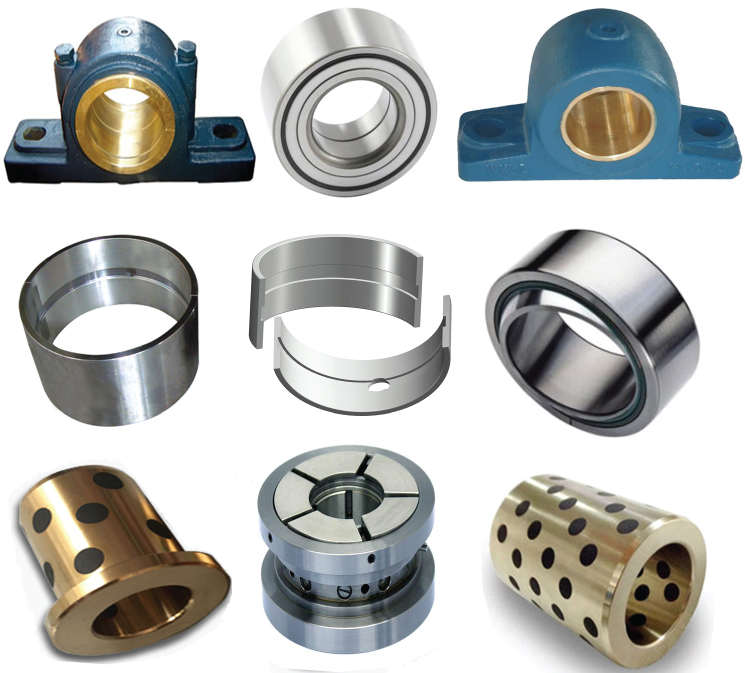
Challenges of Lubricant Contamination in Sliding Bearings and Solutions
Lubricant contamination in sliding bearings can lead to various challenges that impact performance and longevity. Here are some challenges and solutions:
Challenge: Reduced Lubrication Effectiveness
Contaminants such as dust, dirt, moisture, and foreign particles can compromise the lubricant’s ability to provide effective lubrication between bearing surfaces.
Solution: Regular maintenance practices involving cleaning and relubrication help remove contaminants and restore the lubricant’s effectiveness. Proper seals and shields can also prevent contaminants from entering the bearing.
Challenge: Increased Friction and Wear
Contaminants in the lubricant can create abrasive particles that increase friction and accelerate wear on bearing surfaces.
Solution: Using high-quality, clean lubricants and implementing effective filtration systems can minimize the presence of contaminants, reducing friction and wear.
Challenge: Component Damage
Contaminants can cause pitting, scratching, and other damage to bearing surfaces, leading to decreased performance and potential bearing failure.
Solution: Regular inspections and cleaning routines are essential to prevent the accumulation of contaminants. Using lubricants with appropriate viscosity and additives can also help protect bearing surfaces.
Challenge: Increased Heat and Temperature
Contaminants can create heat and increase operating temperatures due to increased friction, which can negatively impact bearing performance.
Solution: Clean lubricants with proper viscosity and thermal stability are essential to dissipate heat effectively. Maintaining proper lubrication levels helps manage temperature rise.
Challenge: Corrosion
Moisture and certain contaminants can lead to corrosion of bearing surfaces, which compromises their structural integrity.
Solution: Proper storage and handling of bearings, as well as using corrosion-resistant lubricants, can mitigate the risk of corrosion. Seals and shields also provide additional protection against moisture ingress.
Challenge: Lubricant Breakdown
Contaminants and high operating temperatures can cause lubricants to degrade over time, reducing their lubricating properties.
Solution: Monitoring lubricant condition and replenishing or changing it at appropriate intervals helps maintain its effectiveness. Using lubricants with good oxidation resistance is also important.
Lubricant contamination in sliding bearings can significantly impact their performance and longevity. Implementing proper maintenance practices, using clean and suitable lubricants, and employing effective sealing mechanisms are key strategies to address these challenges and ensure optimal sliding bearing operation.
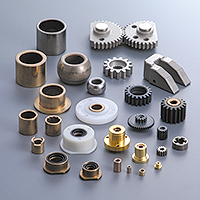
Managing Friction and Wear in Sliding Bearings
Friction and wear are common challenges in sliding bearings that can lead to reduced performance and premature failure. Here’s a detailed look at these challenges and some solutions to manage them:
Challenges:
- Friction: High friction can lead to energy loss, increased heat generation, and accelerated wear.
- Wear: Continuous contact between sliding surfaces can result in material removal and surface degradation over time.
Solutions:
- Lubrication: Proper lubrication is crucial to reduce friction and wear. Lubricants create a protective film between sliding surfaces, minimizing direct contact and promoting smooth movement.
- Self-Lubricating Bearings: Bearings made from self-lubricating materials, such as polymers containing solid lubricants, can offer continuous lubrication without external intervention.
- Bearing Design: Optimized bearing designs, such as incorporating grooves or pockets for lubricant retention, can enhance lubrication efficiency and reduce friction.
- Maintenance: Regular maintenance and lubricant replenishment help ensure consistent lubrication levels and prevent excessive wear.
- Material Selection: Choosing materials with low friction coefficients and high wear resistance can minimize friction and extend bearing life.
- Surface Treatments: Coatings, such as PTFE or DLC (diamond-like carbon), can be applied to bearing surfaces to reduce friction and enhance wear resistance.
- Clearance Adjustment: Proper clearance between bearing components can reduce friction and prevent excessive loading.
By implementing effective lubrication strategies, choosing appropriate materials, and employing suitable design practices, the challenges of friction and wear in sliding bearings can be effectively managed, leading to improved performance and longer bearing life.
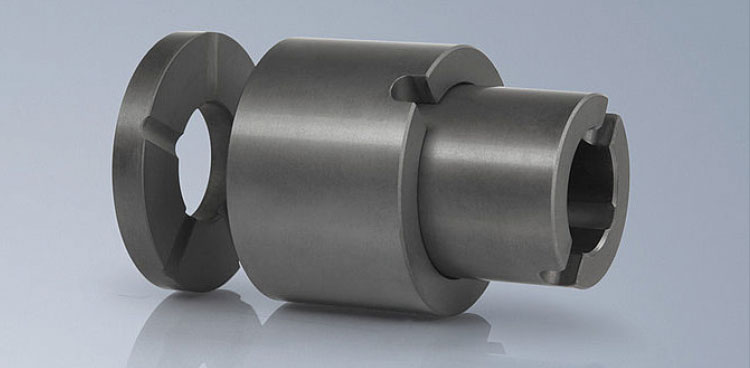
Considerations for Selecting Sliding Bearings
When choosing a sliding bearing for a specific application, several key factors should be taken into consideration:
- Load Capacity: Determine the maximum load the bearing will need to support. This includes both radial and axial loads, as well as any dynamic or static loads.
- Operating Conditions: Consider the operating environment, including temperature, humidity, and exposure to chemicals or contaminants. Different materials and coatings may be required for harsh conditions.
- Lubrication: Choose the appropriate lubrication method based on the application. Consider factors such as the frequency of lubrication, the availability of lubrication points, and the compatibility of lubricants with the bearing material.
- Speed and Motion: Evaluate the speed and type of motion the bearing will experience. Higher speeds may require special considerations for heat dissipation and lubrication.
- Alignment and Misalignment: Determine if the bearing will need to accommodate misalignment between the shaft and the bearing housing. Some applications may require self-aligning or spherical bearings.
- Wear Resistance: Choose a bearing material that offers good wear resistance to prevent premature wear and extend the bearing’s lifespan.
- Noise and Vibration: Consider the impact of noise and vibration on the application. Bearings with proper damping properties can help reduce noise and vibration levels.
- Maintenance Requirements: Assess the ease of maintenance, including lubrication intervals, accessibility of lubrication points, and the need for regular inspections.
- Cost and Availability: Compare the cost of the bearing with its expected performance and lifespan. Also, ensure that the chosen bearing type and size are readily available.
- Application-Specific Considerations: Some applications may have unique requirements, such as corrosion resistance, electrical insulation, or compatibility with food-grade standards.
By carefully considering these factors, you can select a sliding bearing that meets the specific needs of your application, ensuring reliable performance and longevity.


editor by CX 2024-04-12