
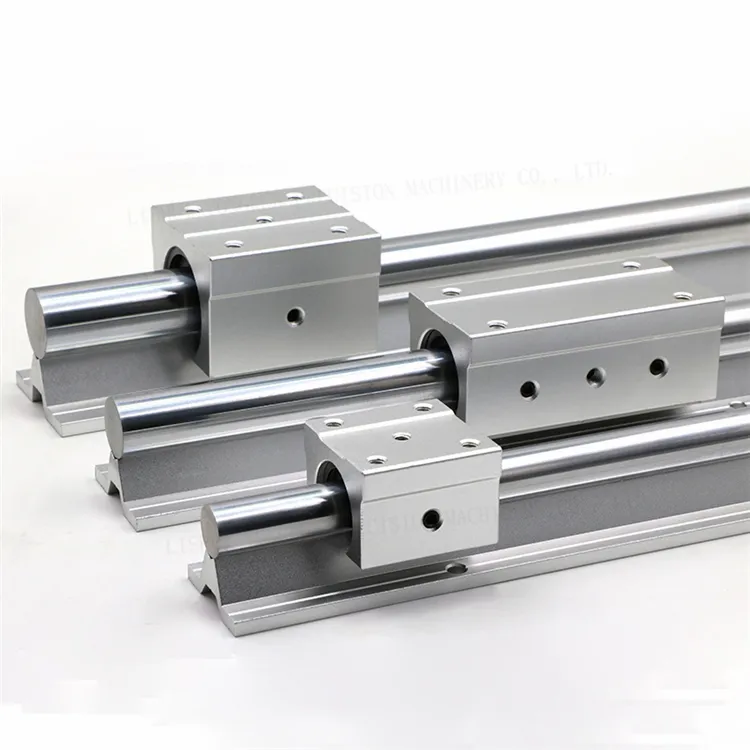
Differences Between Plain Sliding Bearings and Self-Lubricating Bearings
Plain sliding bearings and self-lubricating bearings are two distinct types of bearings used in various applications. Here are the key differences between them:
Plain Sliding Bearings:
- Plain sliding bearings, also known as bushings, are simple bearing components that consist of a cylindrical sleeve made of a bearing material.
- These bearings require external lubrication, such as grease or oil, to reduce friction and wear between the bearing and the shaft.
- Regular maintenance and lubrication are essential to ensure proper operation and longevity.
- Plain sliding bearings are cost-effective and suitable for applications where lubrication can be easily provided.
- They are commonly used in low-speed and low-load applications, where the shaft slides within the bearing.
Self-Lubricating Bearings:
- Self-lubricating bearings, also known as maintenance-free bearings, are designed to operate without the need for external lubrication.
- These bearings incorporate solid lubricants, such as graphite, PTFE (polytetrafluoroethylene), or other additives, directly into the bearing material.
- The solid lubricants are released gradually as the bearing operates, reducing friction and providing a consistent lubricating film.
- Self-lubricating bearings are ideal for applications where frequent maintenance or lubrication is impractical or not feasible.
- They are suitable for both low-load and high-load applications, as the self-lubricating properties help extend the bearing’s service life.
In summary, plain sliding bearings require external lubrication and are suitable for applications where lubrication can be provided, while self-lubricating bearings incorporate solid lubricants and operate without the need for regular maintenance. The choice between these two types depends on factors such as the application’s operating conditions, maintenance requirements, and budget considerations.
Managing Friction and Wear in Sliding Bearings
Friction and wear are common challenges in sliding bearings that can lead to reduced performance and premature failure. Here’s a detailed look at these challenges and some solutions to manage them:
Challenges:
- Friction: High friction can lead to energy loss, increased heat generation, and accelerated wear.
- Wear: Continuous contact between sliding surfaces can result in material removal and surface degradation over time.
Solutions:
- Lubrication: Proper lubrication is crucial to reduce friction and wear. Lubricants create a protective film between sliding surfaces, minimizing direct contact and promoting smooth movement.
- Self-Lubricating Bearings: Bearings made from self-lubricating materials, such as polymers containing solid lubricants, can offer continuous lubrication without external intervention.
- Bearing Design: Optimized bearing designs, such as incorporating grooves or pockets for lubricant retention, can enhance lubrication efficiency and reduce friction.
- Maintenance: Regular maintenance and lubricant replenishment help ensure consistent lubrication levels and prevent excessive wear.
- Material Selection: Choosing materials with low friction coefficients and high wear resistance can minimize friction and extend bearing life.
- Surface Treatments: Coatings, such as PTFE or DLC (diamond-like carbon), can be applied to bearing surfaces to reduce friction and enhance wear resistance.
- Clearance Adjustment: Proper clearance between bearing components can reduce friction and prevent excessive loading.
By implementing effective lubrication strategies, choosing appropriate materials, and employing suitable design practices, the challenges of friction and wear in sliding bearings can be effectively managed, leading to improved performance and longer bearing life.
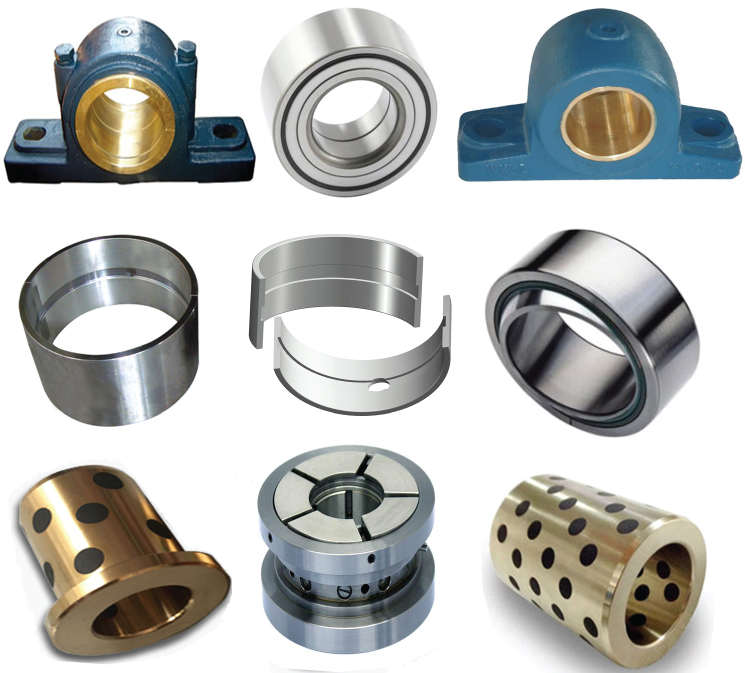
Advantages of Sliding Bearings Compared to Other Bearings
Sliding bearings, also known as plain bearings or journal bearings, offer several advantages compared to other types of bearings. These advantages make them suitable for specific applications where their characteristics are beneficial:
- High Load-Carrying Capacity: Sliding bearings can handle high loads due to their larger contact area and distribution of pressure, making them suitable for heavy machinery and industrial equipment.
- Low Friction: Sliding bearings operate on the principle of sliding friction, which can result in lower frictional losses and energy consumption compared to rolling element bearings.
- Simplicity: Sliding bearings have a straightforward design with fewer components, reducing complexity and potential points of failure.
- Cost-Effectiveness: The simpler design and manufacturing process of sliding bearings can lead to lower production costs and maintenance expenses.
- Shock and Vibration Absorption: Sliding bearings can dampen shocks and vibrations due to their ability to accommodate misalignments and absorb dynamic forces.
- High-Temperature Applications: Some sliding bearings are capable of operating in high-temperature environments where other types of bearings might fail.
- Self-Lubrication: Some sliding bearings are designed with self-lubricating materials, reducing the need for external lubrication and maintenance.
- Noisiness: Sliding bearings often produce less noise than rolling element bearings, which can be advantageous in noise-sensitive applications.
- Corrosion Resistance: Sliding bearings made from materials such as bronze or plastic can offer better corrosion resistance in certain environments.
- Adaptability to Dirty Environments: Sliding bearings can perform well in dirty or contaminated environments where rolling element bearings might be more prone to failure due to debris.
However, it’s important to note that sliding bearings also have limitations, such as higher frictional heat generation, potential for stick-slip behavior, and limited suitability for high-speed applications. The choice between sliding bearings and other types of bearings depends on the specific requirements of the application and the trade-offs that need to be considered.


editor by lmc 2024-11-15