
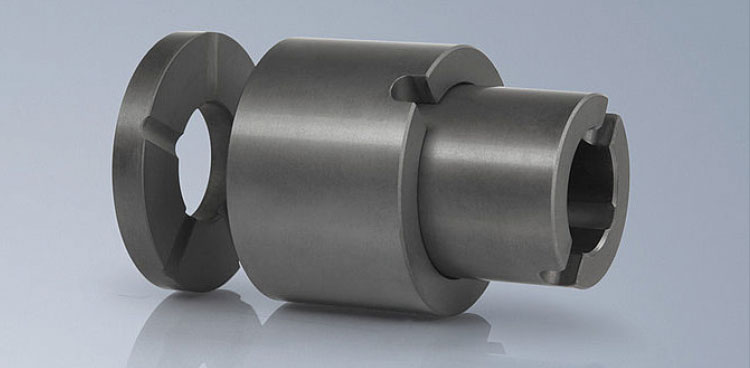
Advancements in Sliding Bearing Technology
Recent years have witnessed significant advancements in sliding bearing technology, leading to improved performance, durability, and efficiency in various applications. Some notable developments include:
Self-Lubricating Materials: The use of advanced self-lubricating materials, such as composite polymers and solid lubricants, has reduced the need for external lubrication, enhancing maintenance-free operation.
Nano-Coatings: Nano-coatings with improved wear resistance and reduced friction have been applied to sliding bearings, extending their lifespan and optimizing performance in demanding environments.
Improved Friction Management: Advanced surface texturing and micro-grooving techniques have been employed to manage friction and reduce wear, contributing to smoother operation and increased efficiency.
Bearing Monitoring Systems: Integration of sensors and monitoring systems allows real-time tracking of bearing health, enabling predictive maintenance and reducing unexpected downtime.
Customization: Modern manufacturing techniques, such as 3D printing and precision machining, allow for customized sliding bearings tailored to specific applications, improving overall system performance.
Environmentally Friendly Solutions: Development of environmentally friendly lubricants and materials ensures compliance with regulations and minimizes the impact of sliding bearing technology on the environment.
High-Load Capacities: Advances in material science and engineering have led to sliding bearings with increased load-carrying capacities, making them suitable for heavy-duty applications.
Enhanced Wear Resistance: Improved material compositions and surface treatments have enhanced wear resistance, reducing the need for frequent replacements and maintenance.
Reduced Noise and Vibration: Innovations in design and materials have resulted in sliding bearings that produce less noise and vibration, contributing to quieter and more comfortable machinery operation.
Integration with IoT: Integration of sliding bearings into the Internet of Things (IoT) networks allows for remote monitoring and optimization of bearing performance.
Digital Twin Technology: Digital twin simulations are being used to model sliding bearing behavior, aiding in design optimization and performance prediction.
Efficiency in High-Temperature Environments: Advancements in heat-resistant materials have enabled sliding bearings to operate efficiently in high-temperature industrial applications.
These advancements collectively contribute to the evolution of sliding bearing technology, making them more reliable, durable, and adaptable to a wide range of industrial and commercial applications.
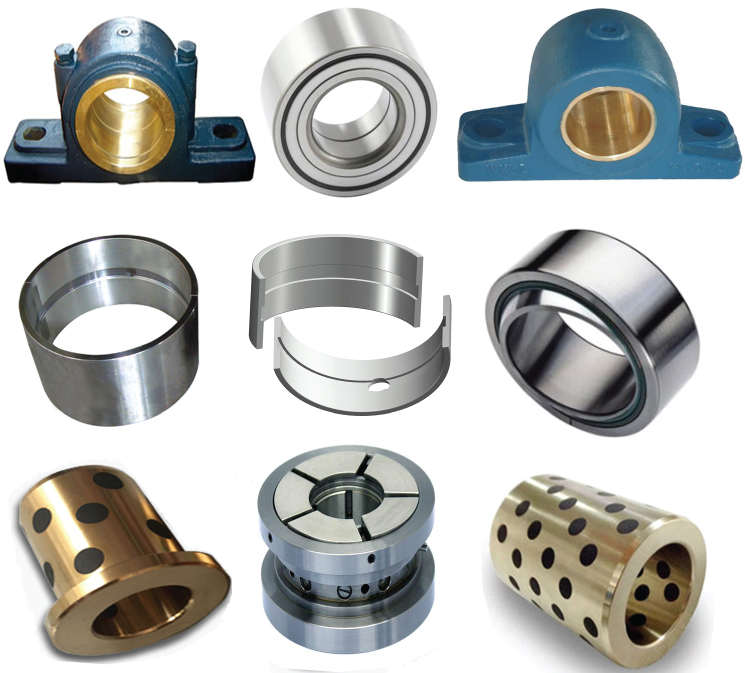
Contribution of Sliding Bearings to Hydraulic Systems and Pumps
Sliding bearings play a crucial role in ensuring the smooth and efficient operation of hydraulic systems and pumps. Here’s how they contribute to these applications:
Load Distribution: Sliding bearings distribute the axial and radial loads generated by hydraulic components, such as pistons and impellers, across their surfaces. This helps prevent localized stress and ensures uniform load distribution, enhancing the overall stability of the system.
Reduced Friction: Sliding bearings minimize friction between moving parts within hydraulic systems and pumps. This friction reduction leads to lower energy consumption and less heat generation, contributing to improved efficiency and reduced wear and tear.
Fluid Film Formation: Properly lubricated sliding bearings create a fluid film between their surfaces. This fluid film serves as a barrier that prevents direct contact between the bearing surfaces, reducing friction and wear and enabling smooth movement even at high speeds.
Sealing Function: Sliding bearings often incorporate seals to prevent the ingress of contaminants, such as dirt and moisture, into the hydraulic system or pump. This sealing function helps maintain the integrity of the system’s components and extends their lifespan.
Alignment Compensation: In hydraulic systems, sliding bearings can compensate for minor misalignments between components, such as shafts and impellers. This ability to accommodate misalignment contributes to reduced stress and longer component life.
Quiet Operation: Sliding bearings help dampen vibrations and noise generated during the operation of hydraulic systems and pumps. This contributes to quieter and more comfortable working environments.
Customization: Sliding bearings can be designed and customized to meet the specific requirements of different hydraulic systems and pumps. This adaptability ensures optimal performance and longevity.
Overall, sliding bearings enhance the reliability, efficiency, and longevity of hydraulic systems and pumps by minimizing friction, distributing loads, facilitating smooth movement, and providing protection against contaminants. Their contribution is essential to achieving consistent and precise fluid transfer and power generation in various industrial applications.
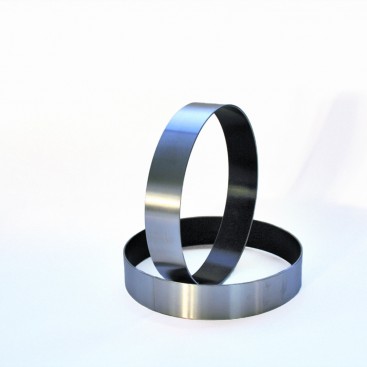
Impact of Proper Lubrication on Sliding Bearings
Proper lubrication plays a critical role in the performance and longevity of sliding bearings. Here’s how it affects their operation:
- Reduced Friction and Wear: Lubrication forms a thin film between the sliding surfaces of the bearing, reducing direct metal-to-metal contact. This minimizes friction and wear, which can significantly extend the bearing’s lifespan.
- Heat Dissipation: Lubricants help dissipate heat generated during operation by carrying away excess heat from the friction zones. This prevents overheating and potential damage to the bearing and surrounding components.
- Corrosion Prevention: Lubricants provide a protective barrier against moisture and corrosive substances, preventing the formation of rust and corrosion on the bearing surfaces.
- Sealing Effect: Proper lubrication can help create a sealing effect that prevents contaminants from entering the bearing, maintaining a clean and efficient operating environment.
- Noise and Vibration Reduction: Adequate lubrication helps dampen noise and reduce vibration caused by friction between bearing surfaces. This contributes to quieter and smoother operation.
- Enhanced Load Distribution: Lubrication ensures even load distribution across the bearing surfaces, preventing localized wear and extending the bearing’s overall life.
- Stability and Performance: Proper lubrication maintains consistent performance and stability by minimizing variations in friction and reducing the risk of sudden failures.
- Seizure Prevention: Lubricants prevent sliding surfaces from seizing or sticking together, even during periods of prolonged inactivity.
- Optimized Efficiency: Well-lubricated bearings experience less energy loss due to friction, resulting in improved overall efficiency of the machinery.
Choosing the right lubricant type, viscosity, and lubrication interval is crucial to ensuring the optimal performance and durability of sliding bearings. Regular maintenance and monitoring of lubrication levels are essential to prevent issues and extend the bearing’s service life.


editor by lmc 2024-11-20