
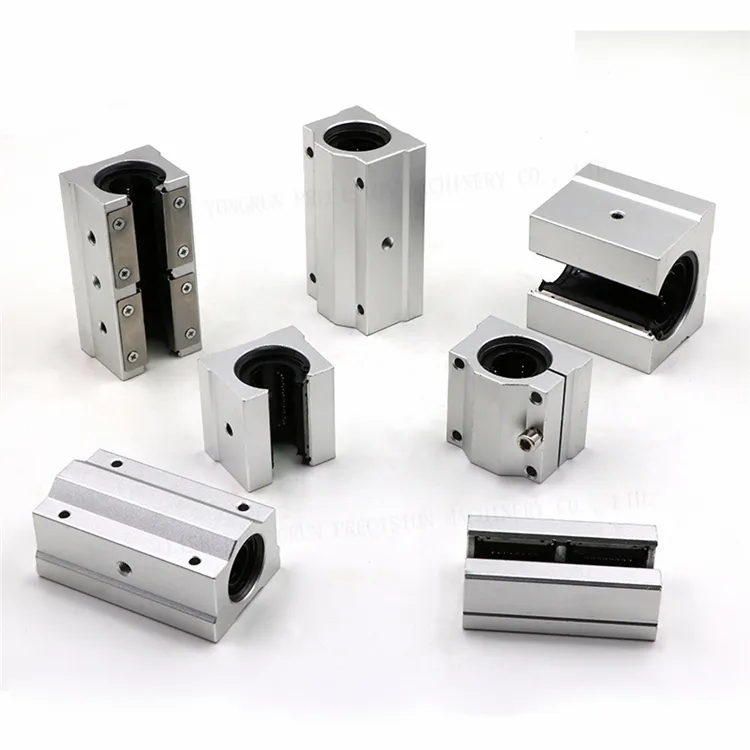
Considerations for Selecting Appropriate Sliding Bearings
Choosing the right type and size of sliding bearing is crucial for ensuring optimal performance and longevity in various applications. Here are key considerations to keep in mind:
Load and Application: Determine the specific load and application requirements. Different sliding bearings are designed to handle varying loads, speeds, and operating conditions. Consider whether the bearing will experience radial, axial, or combined loads, as well as the expected range of motion.
Material Compatibility: Select materials that are compatible with the operating environment. Consider factors such as corrosion resistance, temperature tolerance, and exposure to chemicals or contaminants. Common bearing materials include bronze, steel, and self-lubricating polymers.
Lubrication: Proper lubrication is essential for reducing friction and wear in sliding bearings. Choose a lubrication method that suits the application, whether it’s grease, oil, or self-lubricating materials. Some sliding bearings are designed for maintenance-free operation.
Design and Configuration: Determine the appropriate bearing design, such as bushings, thrust washers, or linear guides. Consider the bearing’s dimensions, including inner and outer diameter, length, and width. The bearing’s configuration should match the available space and mounting requirements.
Load Distribution: Ensure that the selected sliding bearing can evenly distribute the applied load across its surface. This helps prevent premature wear and ensures the bearing’s longevity. Consider the bearing’s load capacity and how it aligns with the actual load demands.
Friction and Wear: Evaluate the bearing’s coefficient of friction and wear characteristics. Lower friction and wear rates contribute to longer bearing life and improved efficiency. Consider whether the bearing requires initial running-in to reach optimal performance.
Maintenance and Service Life: Consider the maintenance requirements and expected service life of the sliding bearing. Some applications may benefit from bearings with extended maintenance intervals or self-lubricating properties, while others may prioritize easy replacement.
Cost-Efficiency: Balancing performance with cost is essential. While high-performance materials and features can enhance bearing performance, they may also increase the upfront cost. Choose a solution that aligns with your budget and long-term operational goals.
Environmental Conditions: Factor in the environmental conditions the bearing will operate in. For example, marine environments may require bearings with exceptional corrosion resistance, while high-temperature applications demand materials with thermal stability.
Supplier Expertise: Partner with reputable suppliers who offer technical expertise and a range of sliding bearing solutions. Suppliers with a strong track record can provide guidance in selecting the most suitable bearing for your specific application.
By carefully considering these factors, you can confidently choose the appropriate type and size of sliding bearing that meets your application’s requirements and ensures optimal performance and reliability.
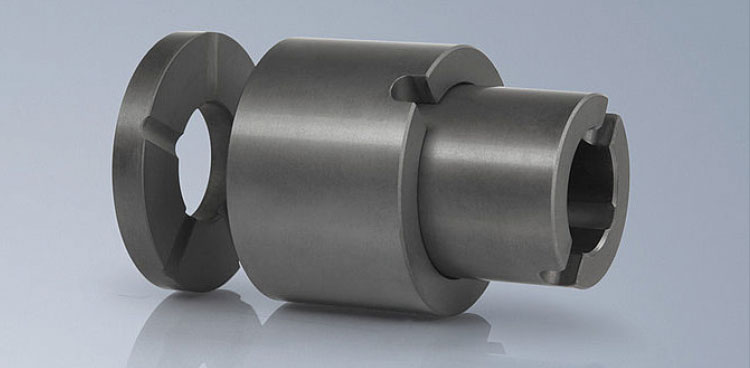
Maintenance Practices to Extend the Lifespan of Sliding Bearings
Proper maintenance is essential for maximizing the lifespan of sliding bearings and ensuring optimal performance. Here are specific practices that can help extend the life of sliding bearings:
Regular Lubrication: Adequate lubrication is crucial for minimizing friction and wear between sliding surfaces. Follow manufacturer recommendations for lubrication intervals and use the appropriate lubricants for the operating conditions.
Clean Environment: Keep the surrounding environment clean and free from dust, dirt, and contaminants. Regularly clean the machinery or equipment to prevent debris from entering the bearing area.
Seal Integrity: Ensure that bearing seals are in good condition to prevent contaminants from entering and lubricant from escaping. Replace damaged seals promptly to maintain proper protection.
Alignment and Mounting: Proper alignment and mounting of sliding bearings are critical to distribute loads evenly and prevent excessive wear. Follow manufacturer guidelines for installation procedures and torque specifications.
Regular Inspections: Schedule routine inspections to detect early signs of wear, damage, or misalignment. Visual inspections, temperature checks, and vibration analysis can help identify issues before they escalate.
Maintenance Records: Maintain detailed records of maintenance activities, including lubrication schedules, inspections, and replacements. This information can help track the condition of sliding bearings and plan maintenance tasks effectively.
Temperature Management: Control operating temperatures within recommended limits. Excessive heat can degrade lubricants and accelerate wear, while extreme cold can affect bearing performance.
Load Management: Avoid subjecting sliding bearings to loads beyond their specified capacities. Overloading can lead to premature wear and damage.
Training and Education: Ensure that personnel responsible for maintenance are adequately trained in proper procedures. Knowledgeable staff can perform maintenance tasks accurately and identify potential issues.
Timely Replacement: When wear or damage is detected that exceeds acceptable limits, replace sliding bearings promptly to prevent further damage to the machinery or equipment.
By implementing these maintenance practices, you can significantly extend the lifespan of sliding bearings, reduce downtime, and optimize the performance of machinery and equipment.
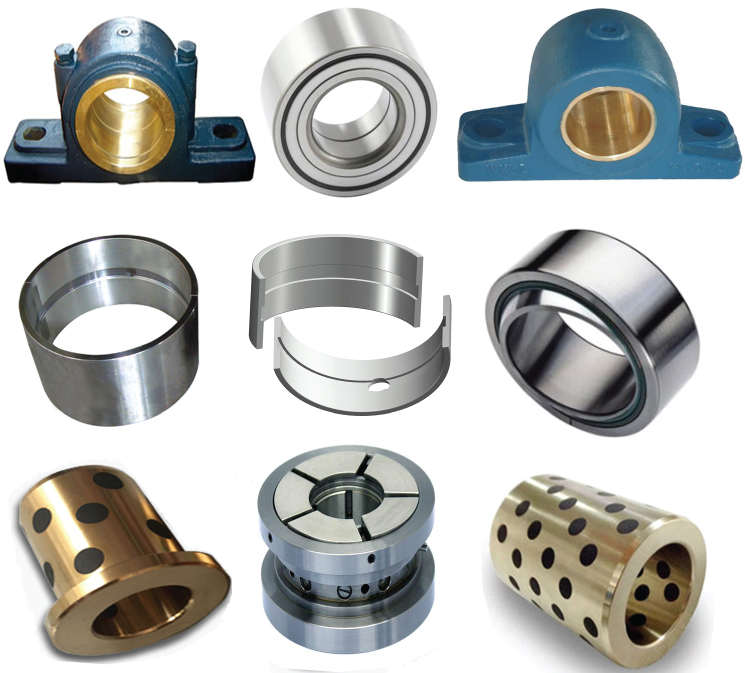
Advantages of Sliding Bearings Compared to Other Bearings
Sliding bearings, also known as plain bearings or journal bearings, offer several advantages compared to other types of bearings. These advantages make them suitable for specific applications where their characteristics are beneficial:
- High Load-Carrying Capacity: Sliding bearings can handle high loads due to their larger contact area and distribution of pressure, making them suitable for heavy machinery and industrial equipment.
- Low Friction: Sliding bearings operate on the principle of sliding friction, which can result in lower frictional losses and energy consumption compared to rolling element bearings.
- Simplicity: Sliding bearings have a straightforward design with fewer components, reducing complexity and potential points of failure.
- Cost-Effectiveness: The simpler design and manufacturing process of sliding bearings can lead to lower production costs and maintenance expenses.
- Shock and Vibration Absorption: Sliding bearings can dampen shocks and vibrations due to their ability to accommodate misalignments and absorb dynamic forces.
- High-Temperature Applications: Some sliding bearings are capable of operating in high-temperature environments where other types of bearings might fail.
- Self-Lubrication: Some sliding bearings are designed with self-lubricating materials, reducing the need for external lubrication and maintenance.
- Noisiness: Sliding bearings often produce less noise than rolling element bearings, which can be advantageous in noise-sensitive applications.
- Corrosion Resistance: Sliding bearings made from materials such as bronze or plastic can offer better corrosion resistance in certain environments.
- Adaptability to Dirty Environments: Sliding bearings can perform well in dirty or contaminated environments where rolling element bearings might be more prone to failure due to debris.
However, it’s important to note that sliding bearings also have limitations, such as higher frictional heat generation, potential for stick-slip behavior, and limited suitability for high-speed applications. The choice between sliding bearings and other types of bearings depends on the specific requirements of the application and the trade-offs that need to be considered.


editor by lmc 2024-11-27