
Product Description
Company introduction:
WHB Bearing specializes in the production of ball bearing, roller bearing, pillow block bearing and so on.
As a leading manufacturer of bearing, I’m pleased to inform you that we have been working with many big companies in Southeast Asia and South America. We are in a good position not only to supply you high quality bearing, but also the excellent after sales service.
If you are interested in our bearing, please do not hesitate to send us the inquiry,hope you can give the chance to start the cooperation
Spherical-Plain Bearing Specification :
| Bearing No. | Dimensions (mm) | Load Ratings (KN) | Mass | ||||||||
| d | D | B | C | dk | r1 min |
r2 min |
α | C | C0 | kg | |
| GE4E | 4 | 12 | 5 | 3 | 8 | 0.3 | 0.3 | 16 | 2.0 | 10 | 0.003 |
| GE5E | 5 | 14 | 6 | 4 | 10 | 0.3 | 0.3 | 13 | 3.4 | 17 | 0.005 |
| GE6E | 6 | 14 | 6 | 4 | 10 | 0.3 | 0.3 | 13 | 3.4 | 17 | 0.004 |
| GE8E | 8 | 16 | 8 | 5 | 13 | 0.3 | 0.3 | 15 | 5.5 | 27 | 0.008 |
| GE10E | 10 | 19 | 9 | 6 | 16 | 0.3 | 0.3 | 12 | 8.1 | 40 | 0.011 |
| GE12E | 12 | 22 | 10 | 7 | 18 | 0.3 | 0.3 | 10 | 10.0 | 53 | 0.015 |
| GE15ES | 15 | 26 | 12 | 9 | 22.0 | 0.3 | 0.3 | 8 | 16 | 84 | 0.571 |
| GE17ES | 17 | 30 | 14 | 10 | 25.0 | 0.3 | 0.3 | 10 | 21 | 106 | 0.041 |
| GE20ES | 20 | 35 | 16 | 12 | 29.0 | 0.3 | 0.3 | 9 | 30 | 146 | 0.066 |
| GE25ES | 25 | 42 | 20 | 16 | 35.5 | 0.6 | 0.6 | 7 | 48 | 240 | 0.119 |
| GE30ES | 30 | 47 | 22 | 18 | 40.7 | 0.6 | 0.6 | 6 | 62 | 310 | 0.153 |
| GE35ES | 35 | 55 | 25 | 20 | 47.0 | 0.6 | 1.0 | 6 | 79 | 399 | 0.233 |
| GE40ES | 40 | 62 | 28 | 22 | 53.0 | 0.6 | 1.0 | 7 | 99 | 495 | 0.306 |
| GE45ES | 45 | 68 | 32 | 25 | 60.0 | 0.6 | 1.0 | 7 | 127 | 637 | 0.427 |
| GE50ES | 50 | 75 | 35 | 28 | 66.0 | 0.6 | 1.0 | 6 | 156 | 780 | 0.546 |
| GE60ES | 60 | 90 | 44 | 36 | 80.0 | 1.0 | 1.0 | 6 | 245 | 1220 | 1.040 |
| GE70ES | 70 | 105 | 49 | 40 | 92.0 | 1.0 | 1.0 | 6 | 313 | 1560 | 1.550 |
| GE80ES | 80 | 120 | 55 | 45 | 105.0 | 1.0 | 1.0 | 6 | 400 | 2000 | 2.310 |
| GE90ES | 90 | 130 | 60 | 50 | 115.0 | 1.0 | 1.0 | 5 | 488 | 2440 | 2.750 |
| GE100ES | 100 | 150 | 70 | 55 | 130.0 | 1.0 | 1.0 | 7 | 607 | 3030 | 4.450 |
| GE110ES | 110 | 160 | 70 | 55 | 140.0 | 1.0 | 1.0 | 6 | 654 | 3270 | 4.820 |
| GE120ES | 120 | 180 | 85 | 70 | 160.0 | 1.0 | 1.0 | 6 | 950 | 4750 | 8.050 |
| GE140ES | 140 | 210 | 90 | 70 | 180.0 | 1.0 | 1.0 | 7 | 1070 | 5350 | 11.571 |
| GE160ES | 160 | 230 | 105 | 80 | 200.0 | 1.0 | 1.0 | 8 | 1360 | 6800 | 14.571 |
| GE180ES | 180 | 260 | 105 | 80 | 225.0 | 1.1 | 1.1 | 6 | 1530 | 7650 | 18.650 |
| GE200ES | 200 | 290 | 130 | 100 | 250.0 | 1.1 | 1.1 | 7 | 2120 | 10600 | 28.030 |
| GE220ES | 220 | 320 | 135 | 100 | 275.0 | 1.1 | 1.1 | 8 | 2320 | 11600 | 35.510 |
| GE240ES | 240 | 340 | 140 | 100 | 300.0 | 1.1 | 1.1 | 8 | 2550 | 12700 | 39.910 |
Packing:
A. plastic box+outer carton+pallets
B. plastic bag+ single box+carton+pallet
C. plastic bag+ single box+middle box+carton+pallet
D. Of course we will also be based on your needs
ISO Certificate:
CE Certificate:
Our Bearing Advantage:
1.Free Sample bearing
2.ISO Standard
3.CE Quanlity certificate
4.Bearing Small order accepted
5.In Stock bearing
6.OEM bearing service
7.Professional:24 years manufacture bearing
8.Customized bearing, Customer’s bearing drawing or samples accepted
9.Competitive price bearing
10.Excellent after-sales service
Superior service:
♥1.Your inquiry will be reply within 2 hours.
♥2.Fast delivery,within 7 working days.
♥3.Packing: you will receive a Perfect product with strong outside packing.
♥4.With advanced first-level facilities and testing equipment,to insure no mistake on the dimension of the bearings.
♥5.No M.O.Q, Because we are manufacture.
♥6.24 hours on line,no limited to talk to us.
♥7.Return Policy:We gladly accept returns for item purchased within a 30 day period, provided it is still in the original package, not used nor damaged.
♥8.Warranty Claims :The Warranty covers any Defect of the product for a period of 12 months. It does not cover items that are not correctly installed or over tightened which may cause premature failure. Installation or any other fee’s are not refundable.
FAQ:
1. How do I start purchase?
You can email or contact with our online salesman, then get offer and shipping cost for our order. After your confirm, our
salesman will send u Invoice. After payment done, we will ship goods on time.
2. Do you have stock for all item?
Yes, we have sufficient stock and do fast delivery.
3. What about the delivery?
By express(DHL, UPS, FEDEX, TNT, EMS) to your door; By sea to your nearest port; By air to your nearest airport.
4. What about the payment?
By TT, L/C,Western Union or paypal.
5. What about the lead time?
For stock goods, 5-7 days after payment.
/* January 22, 2571 19:08:37 */!function(){function s(e,r){var a,o={};try{e&&e.split(“,”).forEach(function(e,t){e&&(a=e.match(/(.*?):(.*)$/))&&1
| Contact Angle: | 60° |
|---|---|
| Aligning: | Aligning Bearing |
| Separated: | Unseparated |
| Rows Number: | Single |
| Load Direction: | Radial Bearing |
| Material: | Bearing Steel |
| Samples: |
US$ 1/Piece
1 Piece(Min.Order) | |
|---|
| Customization: |
Available
| Customized Request |
|---|
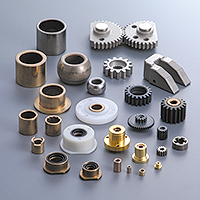
Role of Sliding Bearings in Vibration Dampening and Shock Absorption Applications
Sliding bearings are essential components in applications where vibration dampening and shock absorption are critical. Here’s how they fulfill this role:
Vibration Dampening:
In various industrial processes and equipment, vibrations can lead to reduced performance, increased wear and tear, and even structural damage. Sliding bearings help dampen vibrations by providing a cushioning effect between moving components. The design of sliding bearings allows them to absorb and dissipate vibrations, preventing them from propagating throughout the machinery.
Shock Absorption:
Heavy machinery and equipment often experience sudden impacts or shocks due to sudden loads or external forces. Sliding bearings with their ability to absorb shocks and impacts help protect machinery from damage. They act as buffers that absorb and distribute the energy generated by these shocks, preventing it from causing harm to other components or the machinery structure.
Isolation of Vibrations:
Sliding bearings can be strategically placed in machinery to isolate specific components or sections from vibrations. This isolation helps maintain the stability and accuracy of delicate components that might be sensitive to vibrations, such as precision instruments or measurement devices.
Enhanced Comfort:
In applications involving human interaction, such as vehicles or industrial tools, sliding bearings contribute to user comfort. By reducing vibrations and shocks transmitted to the operator or occupants, sliding bearings improve the overall user experience and reduce operator fatigue.
Prevention of Resonance:
Resonance is a phenomenon where vibrations can be amplified due to the natural frequencies of the components. Sliding bearings help prevent resonance by providing damping properties that counteract the amplification effect. This is crucial in applications where precise control and stability are required.
In conclusion, sliding bearings play a vital role in applications requiring vibration dampening and shock absorption. Their ability to dampen vibrations, absorb shocks, isolate vibrations, enhance comfort, and prevent resonance contributes to the efficient and reliable operation of machinery and equipment in various industries.
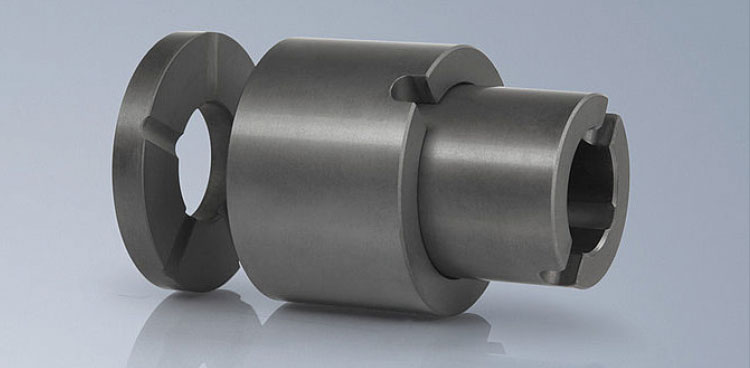
Maintenance Practices to Extend the Lifespan of Sliding Bearings
Proper maintenance is essential for maximizing the lifespan of sliding bearings and ensuring optimal performance. Here are specific practices that can help extend the life of sliding bearings:
Regular Lubrication: Adequate lubrication is crucial for minimizing friction and wear between sliding surfaces. Follow manufacturer recommendations for lubrication intervals and use the appropriate lubricants for the operating conditions.
Clean Environment: Keep the surrounding environment clean and free from dust, dirt, and contaminants. Regularly clean the machinery or equipment to prevent debris from entering the bearing area.
Seal Integrity: Ensure that bearing seals are in good condition to prevent contaminants from entering and lubricant from escaping. Replace damaged seals promptly to maintain proper protection.
Alignment and Mounting: Proper alignment and mounting of sliding bearings are critical to distribute loads evenly and prevent excessive wear. Follow manufacturer guidelines for installation procedures and torque specifications.
Regular Inspections: Schedule routine inspections to detect early signs of wear, damage, or misalignment. Visual inspections, temperature checks, and vibration analysis can help identify issues before they escalate.
Maintenance Records: Maintain detailed records of maintenance activities, including lubrication schedules, inspections, and replacements. This information can help track the condition of sliding bearings and plan maintenance tasks effectively.
Temperature Management: Control operating temperatures within recommended limits. Excessive heat can degrade lubricants and accelerate wear, while extreme cold can affect bearing performance.
Load Management: Avoid subjecting sliding bearings to loads beyond their specified capacities. Overloading can lead to premature wear and damage.
Training and Education: Ensure that personnel responsible for maintenance are adequately trained in proper procedures. Knowledgeable staff can perform maintenance tasks accurately and identify potential issues.
Timely Replacement: When wear or damage is detected that exceeds acceptable limits, replace sliding bearings promptly to prevent further damage to the machinery or equipment.
By implementing these maintenance practices, you can significantly extend the lifespan of sliding bearings, reduce downtime, and optimize the performance of machinery and equipment.
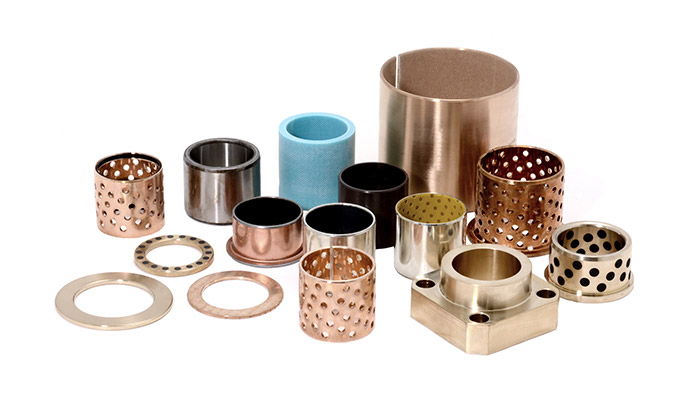
Design Principles and Functions of Sliding Bearings
Sliding bearings, also known as plain bearings or journal bearings, operate on the principle of providing a low-friction interface between two moving surfaces. The design of sliding bearings is based on creating a film of lubrication between the bearing surface and the shaft or journal it supports. This film of lubrication separates the two surfaces and minimizes direct metal-to-metal contact, reducing friction and wear.
The main components and design principles of sliding bearings include:
- Bearing Material: Sliding bearings are typically made from materials with good wear resistance and self-lubricating properties, such as bronze, brass, or various polymers. These materials help reduce friction and prevent excessive wear.
- Lubrication: Lubrication is crucial for the proper functioning of sliding bearings. It can be provided by an external lubricant, solid lubricants embedded in the bearing material, or a combination of both. The lubrication forms a protective layer that reduces direct contact and minimizes friction.
- Clearance: Sliding bearings are designed with a specific clearance between the bearing and the shaft to accommodate the lubricating film and allow for proper movement. This clearance prevents seizing and binding of the bearing.
- Load Distribution: The design of sliding bearings ensures that the load is distributed over a larger surface area to prevent excessive stress on any single point. This feature is essential for handling heavy loads in industrial applications.
- Alignment and Misalignment: Sliding bearings can tolerate small misalignments between the bearing and the shaft. This flexibility allows them to accommodate minor shifts caused by thermal expansion, vibration, or other factors.
- Heat Dissipation: Sliding bearings can generate frictional heat during operation. Proper design includes features to facilitate heat dissipation and prevent overheating that could lead to premature wear.
- Application-Specific Design: The design of sliding bearings can vary based on the specific application requirements, including load capacity, speed, operating temperature, and environmental conditions.
The functions of sliding bearings include providing support to rotating or sliding shafts, reducing friction, absorbing and distributing loads, allowing for misalignment, and offering smooth movement even in dirty or contaminated environments. Sliding bearings are commonly used in various industrial machinery and equipment, including engines, pumps, conveyors, and manufacturing equipment.
Overall, the design principles and functions of sliding bearings make them suitable for applications where low friction, durability, load-bearing capacity, and adaptability to varying conditions are essential.


editor by CX 2024-04-13