
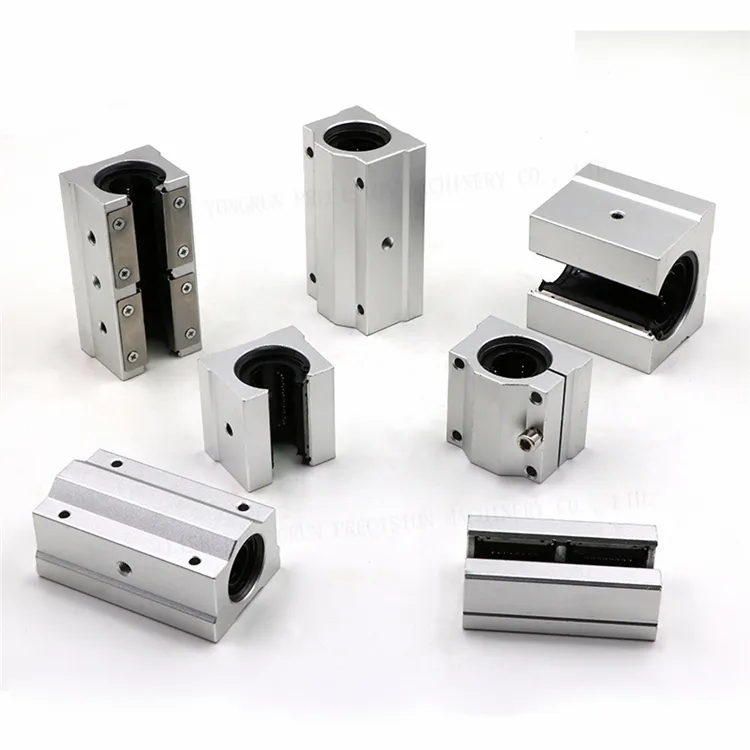
Considerations for Selecting Appropriate Sliding Bearings
Choosing the right type and size of sliding bearing is crucial for ensuring optimal performance and longevity in various applications. Here are key considerations to keep in mind:
Load and Application: Determine the specific load and application requirements. Different sliding bearings are designed to handle varying loads, speeds, and operating conditions. Consider whether the bearing will experience radial, axial, or combined loads, as well as the expected range of motion.
Material Compatibility: Select materials that are compatible with the operating environment. Consider factors such as corrosion resistance, temperature tolerance, and exposure to chemicals or contaminants. Common bearing materials include bronze, steel, and self-lubricating polymers.
Lubrication: Proper lubrication is essential for reducing friction and wear in sliding bearings. Choose a lubrication method that suits the application, whether it’s grease, oil, or self-lubricating materials. Some sliding bearings are designed for maintenance-free operation.
Design and Configuration: Determine the appropriate bearing design, such as bushings, thrust washers, or linear guides. Consider the bearing’s dimensions, including inner and outer diameter, length, and width. The bearing’s configuration should match the available space and mounting requirements.
Load Distribution: Ensure that the selected sliding bearing can evenly distribute the applied load across its surface. This helps prevent premature wear and ensures the bearing’s longevity. Consider the bearing’s load capacity and how it aligns with the actual load demands.
Friction and Wear: Evaluate the bearing’s coefficient of friction and wear characteristics. Lower friction and wear rates contribute to longer bearing life and improved efficiency. Consider whether the bearing requires initial running-in to reach optimal performance.
Maintenance and Service Life: Consider the maintenance requirements and expected service life of the sliding bearing. Some applications may benefit from bearings with extended maintenance intervals or self-lubricating properties, while others may prioritize easy replacement.
Cost-Efficiency: Balancing performance with cost is essential. While high-performance materials and features can enhance bearing performance, they may also increase the upfront cost. Choose a solution that aligns with your budget and long-term operational goals.
Environmental Conditions: Factor in the environmental conditions the bearing will operate in. For example, marine environments may require bearings with exceptional corrosion resistance, while high-temperature applications demand materials with thermal stability.
Supplier Expertise: Partner with reputable suppliers who offer technical expertise and a range of sliding bearing solutions. Suppliers with a strong track record can provide guidance in selecting the most suitable bearing for your specific application.
By carefully considering these factors, you can confidently choose the appropriate type and size of sliding bearing that meets your application’s requirements and ensures optimal performance and reliability.
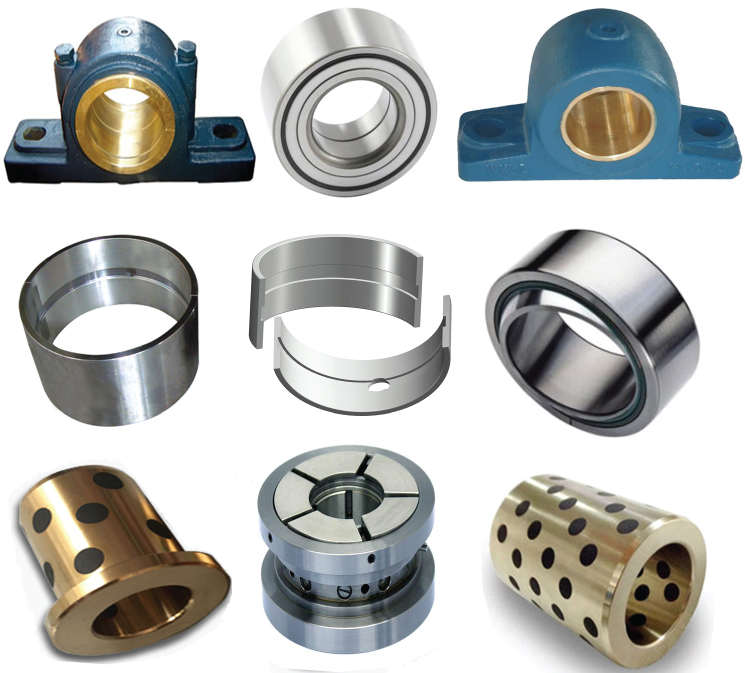
Contribution of Sliding Bearings to Hydraulic Systems and Pumps
Sliding bearings play a crucial role in ensuring the smooth and efficient operation of hydraulic systems and pumps. Here’s how they contribute to these applications:
Load Distribution: Sliding bearings distribute the axial and radial loads generated by hydraulic components, such as pistons and impellers, across their surfaces. This helps prevent localized stress and ensures uniform load distribution, enhancing the overall stability of the system.
Reduced Friction: Sliding bearings minimize friction between moving parts within hydraulic systems and pumps. This friction reduction leads to lower energy consumption and less heat generation, contributing to improved efficiency and reduced wear and tear.
Fluid Film Formation: Properly lubricated sliding bearings create a fluid film between their surfaces. This fluid film serves as a barrier that prevents direct contact between the bearing surfaces, reducing friction and wear and enabling smooth movement even at high speeds.
Sealing Function: Sliding bearings often incorporate seals to prevent the ingress of contaminants, such as dirt and moisture, into the hydraulic system or pump. This sealing function helps maintain the integrity of the system’s components and extends their lifespan.
Alignment Compensation: In hydraulic systems, sliding bearings can compensate for minor misalignments between components, such as shafts and impellers. This ability to accommodate misalignment contributes to reduced stress and longer component life.
Quiet Operation: Sliding bearings help dampen vibrations and noise generated during the operation of hydraulic systems and pumps. This contributes to quieter and more comfortable working environments.
Customization: Sliding bearings can be designed and customized to meet the specific requirements of different hydraulic systems and pumps. This adaptability ensures optimal performance and longevity.
Overall, sliding bearings enhance the reliability, efficiency, and longevity of hydraulic systems and pumps by minimizing friction, distributing loads, facilitating smooth movement, and providing protection against contaminants. Their contribution is essential to achieving consistent and precise fluid transfer and power generation in various industrial applications.
Sliding Bearings and Their Applications
Sliding bearings, also known as plain bearings or journal bearings, are a type of bearing that operate on the principle of sliding friction between two surfaces. They are utilized in various applications where rotational or linear movement needs to be facilitated while minimizing friction and wear. Here are some common applications of sliding bearings:
- Automotive Industry: Sliding bearings are widely used in engines and transmissions of vehicles to support rotating shafts and provide low-friction movement.
- Industrial Machinery: They are employed in industrial equipment such as pumps, compressors, and turbines, where they help in reducing friction and ensuring smooth operation.
- Aerospace: Sliding bearings are crucial components in aircraft engines, landing gear systems, and various aerospace mechanisms to provide reliable and low-wear motion.
- Power Generation: In power plants, sliding bearings are found in turbines, generators, and other rotating equipment to facilitate movement with minimal energy loss.
- Marine Applications: They are used in ship engines, propellers, and other marine equipment, providing durability in harsh marine environments.
- Construction Equipment: Sliding bearings are used in construction machinery like cranes and excavators to support heavy loads and ensure smooth movement.
- Heavy Industry: Various heavy industries, including mining and steel production, rely on sliding bearings for their robustness and ability to handle heavy loads.
- Home Appliances: Sliding bearings are found in appliances like washing machines and refrigerators, facilitating the movement of rotating parts.
- Medical Devices: Some medical devices use sliding bearings for their precision and low friction, ensuring accurate movement in equipment like medical scanners and robotic surgical systems.
Sliding bearings are chosen for applications where simplicity, cost-effectiveness, and reliable performance are essential. They come in different designs, such as plain cylindrical bearings, thrust bearings, and spherical bearings, to suit various motion requirements. Regular maintenance and proper lubrication are necessary to ensure the longevity and optimal performance of sliding bearings in their respective applications.


editor by CX 2024-01-11