
Product Description
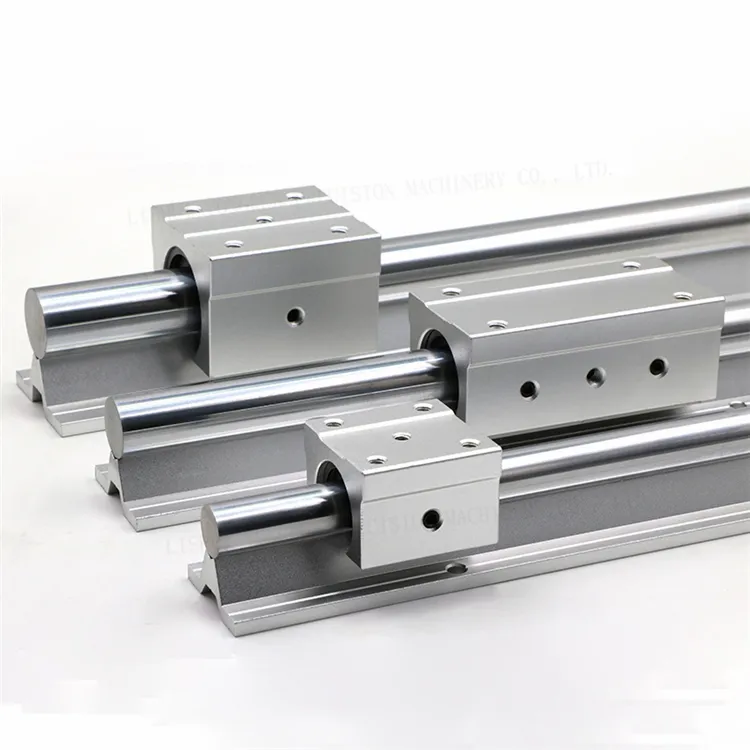
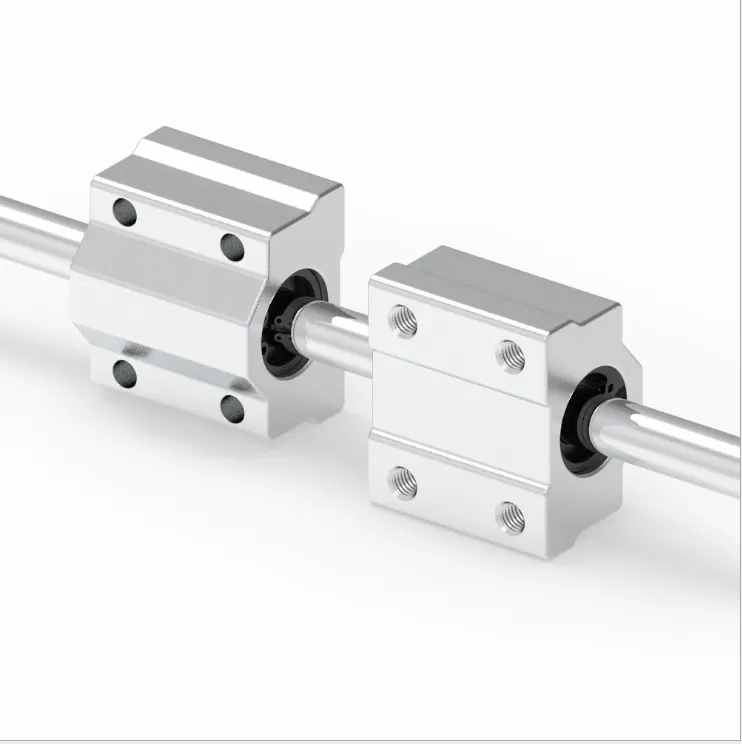
linear CZPT sliding flange bearing support housing SHF20 SHF30 SHF16 SHF10
Type: Linear
Model Number: SHF10/12/13/16/20/25/30
Precision Rating: Po p2 p4 p5 p6
Tolerance: ABEC-1, ABEC-3, ABEC-5
Clearance: C2, C0, C3, C4, C5 as your required
| model | d | (mm) | (gf) | ||||||||
| W | L | T | F | G | B | S | |||||
| SHF10 | 10 | 43 | 10 | 5 | 24 | 20 | 32 | 5.5 | M4 | M5 | 13 |
| SHF12 | 12 | 47 | 13 | 7 | 28 | 25 | 36 | 5.5 | M4 | M5 | 20 |
| SHF13 | 13 | 47 | 13 | 7 | 28 | 25 | 36 | 5.5 | M4 | M5 | 20 |
| SHF16 | 16 | 50 | 16 | 8 | 31 | 28 | 40 | 5.5 | M4 | M5 | 27 |
| SHF20 | 20 | 60 | 20 | 8 | 37 | 34 | 48 | 7 | M5 | M6 | 40 |
| SHF25 | 25 | 70 | 25 | 10 | 42 | 40 | 56 | 7 | M6 | M6 | 60 |
| SHF30 | 30 | 80 | 30 | 12 | 50 | 46 | 64 | 9 | M6 | M8 | 110 |
| SHF35 | 35 | 92 | 35 | 14 | 58 | 50 | 72 | 12 | M8 | M10 | 380 |
| SHF40 | 40 | 102 | 40 | 16 | 67 | 56 | 80 | 12 | M10 | M10 | 570 |
| SHF50 | 50 | 122 | 50 | 19 | 83 | 70 | 96 | 14 | M12 | M12 | 890 |
| SHF60 | 60 | 140 | 60 | 23 | 95 | 82 | 112 | 14 | M12 | M12 | 1500 |
Specifications
Linear motion bearing
1. Large stock and competitive price
2. High quality and good service
3. Quick delivery
We can provide the SBR/TBR Linear Rail Supports with diameter from 16 to 50, Max. Length up to 6000mm
TBR…UU TBR…LUU series:
TBR16UU, TBR20UU, TBR25UU, TBR30UU TBR16LUU, TBR20LUU, TBR25LUU, TBR30LUUSBR…UU SBR…LUU Series
SBR10UU, SBR13UU, SBR16UU, SBR20UU, SBR25UU, SBR30UU, SBR35UU, SBR35UU, SBR40UU, SBR50UU SBR16LUU, SBR20LUU, SBR25LUU,
Other series:
LMF6LUU. LMF8LUU, LMF10LUU, LMF12LUU, LMF13LUU, LMF16LUU, LMF20LUU, LMF25LUU, LMF30LUU, LMF35LUU, LMF40LUU, LMF50LUU, LMF60LUU
KH0622PP, KH0824PP, KH1026PP, KH1228PP, KH1428PP, KH1630PP, KH2030PP, KH2540PP, KH3050PPKH4060PP, KH5070PP
St6uu, st8uu, st10uu, st12uu, st16uu, st20uu, st25uu, st30uu, st35uu, st40uu, st45uu, st50uu, st60uu, st6uub, st8uub, st10uub, st12uub, st16uub, st20uub, st25uub, st30uub, st35uub, st40uub, st45uub, st50uub, st60uub
Packaging & Delivery
Packaging Detail: Single box+plastic bag, as per client’s requirement
Delivery Detail: 5-15 working days
| LM series | LMF Series | ST series | KH0622PP |
| LM3710UU | LMF | ST6UU | KH0824PP |
| LM4812UU | LMF254058UU | ST8UU | KH1026PP |
| LM51015UU | LMF162837UU | ST10UU | KH1228PP |
| LM61219UU | LMF61219UU | ST12UU | KH1428PP |
| LM81524UU | LMF81524UU | ST16UU | KH1630PP |
| LME81625UU | LMF101929UU | ST20UU | KH2030PP |
| LM101929UU | LMF122130UU | ST25UU | KH2540PP |
| LM122130UU | LMF122232UU | ST30UU | KH3050PP |
| LME122232UU | LMF132332UU | ST35UU | KH4060PP |
| LM132332UU | LMF162837UU | ST40UU | KH5070PP |
| LM162837UU | LMF162636UU | ST45UU | |
| LME162636UU | LMF203242UU | ST50UU | |
| LM203242UU | LMF203245UU | ST60UU | |
| LME203245UU | LMF254058UU | ST6B | |
| LME254058UU | LMF254059UU | ST8B | |
| LM254059UU | LMF3 0571 4UU | ST10B | |
| LM3 0571 4UU | LMF35718UU | ST12B | |
| LME35718UU | LMF355270UU | ST16B | |
| LM355270UU | LMF406080UU | ST20B | |
| LM406080UU | LMF406280UU | ST25B | |
| LME406280UU | LMF5 0571 10UU | ST30B | |
| LM5 0571 10UU | LMF557100UU | ST35B | |
| LME557100UU | LMF6 0571 10UU | ST40B | |
| LM6 0571 10UU | LMF6 0571 25UU | ST45B | |
| LME6 0571 25UU | ST50B | ||
| ST60B |
/* January 22, 2571 19:08:37 */!function(){function s(e,r){var a,o={};try{e&&e.split(“,”).forEach(function(e,t){e&&(a=e.match(/(.*?):(.*)$/))&&1
| Type: | Linear |
|---|---|
| Place of Origin: | Shandong China (Mainland) |
| Transport Package: | According to Per Client′s Requirements |
| Trademark: | Netural |
| Origin: | China |
| Samples: |
US$ 10/Set
1 Set(Min.Order) | |
|---|
| Customization: |
Available
| Customized Request |
|---|
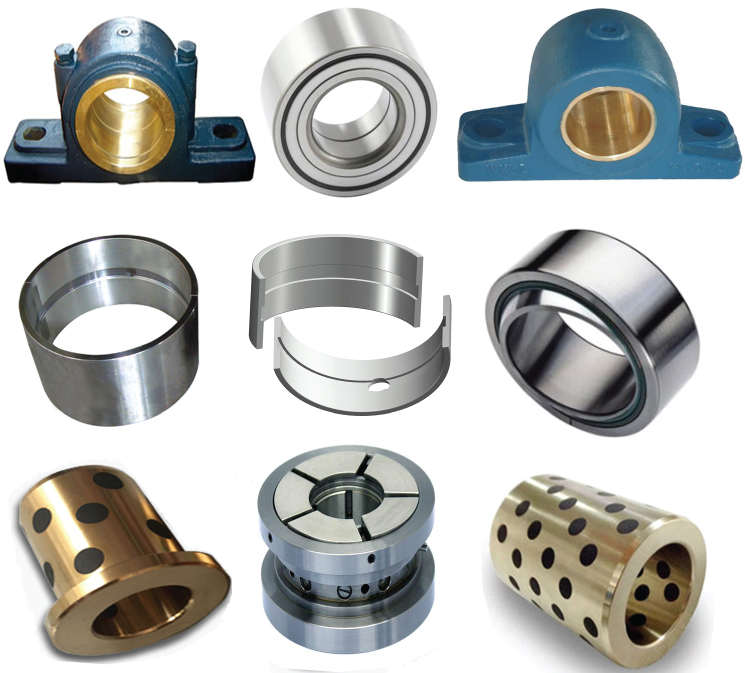
Differences Between Plain Sliding Bearings and Self-Lubricating Bearings
Plain sliding bearings and self-lubricating bearings are two distinct types of bearings used in various applications. Here are the key differences between them:
Plain Sliding Bearings:
- Plain sliding bearings, also known as bushings, are simple bearing components that consist of a cylindrical sleeve made of a bearing material.
- These bearings require external lubrication, such as grease or oil, to reduce friction and wear between the bearing and the shaft.
- Regular maintenance and lubrication are essential to ensure proper operation and longevity.
- Plain sliding bearings are cost-effective and suitable for applications where lubrication can be easily provided.
- They are commonly used in low-speed and low-load applications, where the shaft slides within the bearing.
Self-Lubricating Bearings:
- Self-lubricating bearings, also known as maintenance-free bearings, are designed to operate without the need for external lubrication.
- These bearings incorporate solid lubricants, such as graphite, PTFE (polytetrafluoroethylene), or other additives, directly into the bearing material.
- The solid lubricants are released gradually as the bearing operates, reducing friction and providing a consistent lubricating film.
- Self-lubricating bearings are ideal for applications where frequent maintenance or lubrication is impractical or not feasible.
- They are suitable for both low-load and high-load applications, as the self-lubricating properties help extend the bearing’s service life.
In summary, plain sliding bearings require external lubrication and are suitable for applications where lubrication can be provided, while self-lubricating bearings incorporate solid lubricants and operate without the need for regular maintenance. The choice between these two types depends on factors such as the application’s operating conditions, maintenance requirements, and budget considerations.
Impact of Materials on Sliding Bearing Performance and Durability
The choice of materials used in sliding bearings significantly influences their performance, longevity, and suitability for specific applications. Different materials offer varying characteristics that affect factors such as friction, wear resistance, load capacity, and corrosion resistance. Here are some common materials and their effects:
- Bronze Bearings: Bronze bearings, often made from bronze alloys, offer good load-carrying capacity and resistance to wear. They are suitable for applications with moderate to heavy loads and low to moderate speeds. Bronze bearings also have good heat dissipation properties.
- Steel Bearings: Steel bearings, particularly those made from stainless steel, provide excellent corrosion resistance and are suitable for applications exposed to harsh environments or moisture. Steel bearings are often used in marine and food processing industries.
- Polymer Bearings: Polymer bearings, such as those made from materials like PTFE (polytetrafluoroethylene) or nylon, offer low friction and self-lubricating properties. They are suitable for applications where minimizing friction and wear is critical.
- Composite Bearings: Composite bearings combine different materials to achieve specific performance characteristics. For instance, they might feature a polymer matrix with embedded reinforcing fibers for improved load capacity and wear resistance.
- Graphite Bearings: Bearings with graphite as a lubricating element can operate without additional lubrication in certain conditions, reducing maintenance needs and offering self-lubricating properties.
The selection of materials should consider factors such as the application’s operating conditions, load requirements, speed, temperature, and the presence of corrosive substances. The right material choice ensures optimal performance, durability, and minimal maintenance for sliding bearings.
Advantages of Sliding Bearings Compared to Other Bearings
Sliding bearings, also known as plain bearings or journal bearings, offer several advantages compared to other types of bearings. These advantages make them suitable for specific applications where their characteristics are beneficial:
- High Load-Carrying Capacity: Sliding bearings can handle high loads due to their larger contact area and distribution of pressure, making them suitable for heavy machinery and industrial equipment.
- Low Friction: Sliding bearings operate on the principle of sliding friction, which can result in lower frictional losses and energy consumption compared to rolling element bearings.
- Simplicity: Sliding bearings have a straightforward design with fewer components, reducing complexity and potential points of failure.
- Cost-Effectiveness: The simpler design and manufacturing process of sliding bearings can lead to lower production costs and maintenance expenses.
- Shock and Vibration Absorption: Sliding bearings can dampen shocks and vibrations due to their ability to accommodate misalignments and absorb dynamic forces.
- High-Temperature Applications: Some sliding bearings are capable of operating in high-temperature environments where other types of bearings might fail.
- Self-Lubrication: Some sliding bearings are designed with self-lubricating materials, reducing the need for external lubrication and maintenance.
- Noisiness: Sliding bearings often produce less noise than rolling element bearings, which can be advantageous in noise-sensitive applications.
- Corrosion Resistance: Sliding bearings made from materials such as bronze or plastic can offer better corrosion resistance in certain environments.
- Adaptability to Dirty Environments: Sliding bearings can perform well in dirty or contaminated environments where rolling element bearings might be more prone to failure due to debris.
However, it’s important to note that sliding bearings also have limitations, such as higher frictional heat generation, potential for stick-slip behavior, and limited suitability for high-speed applications. The choice between sliding bearings and other types of bearings depends on the specific requirements of the application and the trade-offs that need to be considered.


editor by CX 2024-03-04