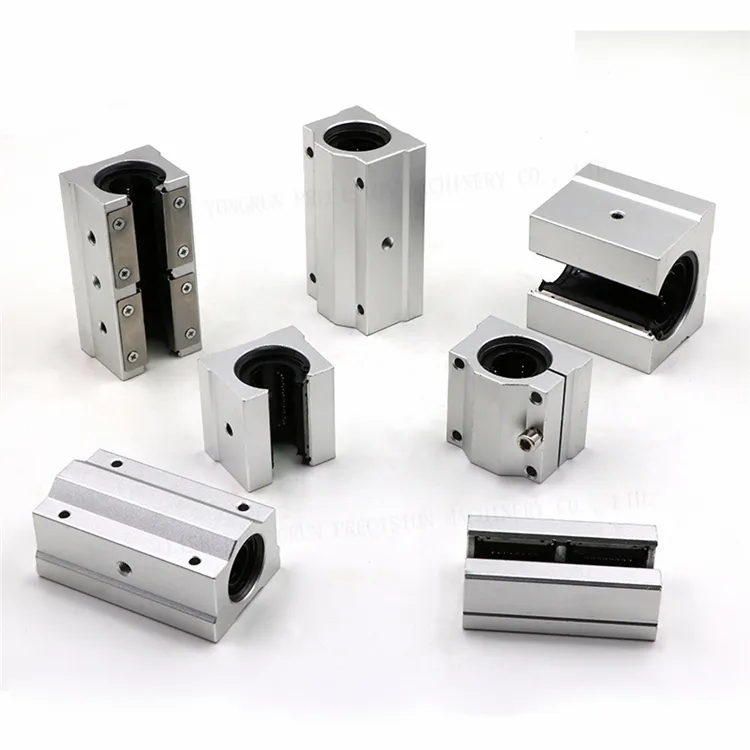
Considerations for Selecting Appropriate Sliding Bearings
Choosing the right type and size of sliding bearing is crucial for ensuring optimal performance and longevity in various applications. Here are key considerations to keep in mind:
Load and Application: Determine the specific load and application requirements. Different sliding bearings are designed to handle varying loads, speeds, and operating conditions. Consider whether the bearing will experience radial, axial, or combined loads, as well as the expected range of motion.
Material Compatibility: Select materials that are compatible with the operating environment. Consider factors such as corrosion resistance, temperature tolerance, and exposure to chemicals or contaminants. Common bearing materials include bronze, steel, and self-lubricating polymers.
Lubrication: Proper lubrication is essential for reducing friction and wear in sliding bearings. Choose a lubrication method that suits the application, whether it’s grease, oil, or self-lubricating materials. Some sliding bearings are designed for maintenance-free operation.
Design and Configuration: Determine the appropriate bearing design, such as bushings, thrust washers, or linear guides. Consider the bearing’s dimensions, including inner and outer diameter, length, and width. The bearing’s configuration should match the available space and mounting requirements.
Load Distribution: Ensure that the selected sliding bearing can evenly distribute the applied load across its surface. This helps prevent premature wear and ensures the bearing’s longevity. Consider the bearing’s load capacity and how it aligns with the actual load demands.
Friction and Wear: Evaluate the bearing’s coefficient of friction and wear characteristics. Lower friction and wear rates contribute to longer bearing life and improved efficiency. Consider whether the bearing requires initial running-in to reach optimal performance.
Maintenance and Service Life: Consider the maintenance requirements and expected service life of the sliding bearing. Some applications may benefit from bearings with extended maintenance intervals or self-lubricating properties, while others may prioritize easy replacement.
Cost-Efficiency: Balancing performance with cost is essential. While high-performance materials and features can enhance bearing performance, they may also increase the upfront cost. Choose a solution that aligns with your budget and long-term operational goals.
Environmental Conditions: Factor in the environmental conditions the bearing will operate in. For example, marine environments may require bearings with exceptional corrosion resistance, while high-temperature applications demand materials with thermal stability.
Supplier Expertise: Partner with reputable suppliers who offer technical expertise and a range of sliding bearing solutions. Suppliers with a strong track record can provide guidance in selecting the most suitable bearing for your specific application.
By carefully considering these factors, you can confidently choose the appropriate type and size of sliding bearing that meets your application’s requirements and ensures optimal performance and reliability.
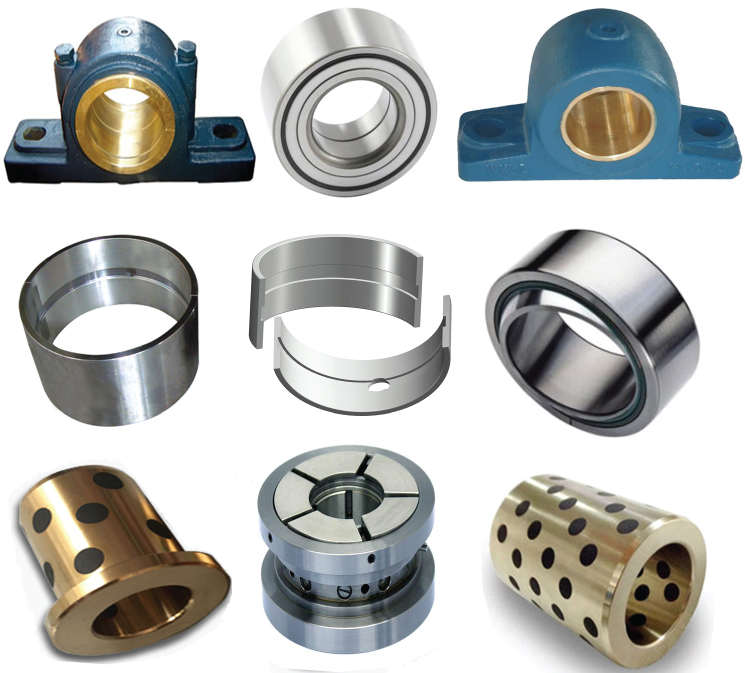
Contribution of Sliding Bearings to Hydraulic Systems and Pumps
Sliding bearings play a crucial role in ensuring the smooth and efficient operation of hydraulic systems and pumps. Here’s how they contribute to these applications:
Load Distribution: Sliding bearings distribute the axial and radial loads generated by hydraulic components, such as pistons and impellers, across their surfaces. This helps prevent localized stress and ensures uniform load distribution, enhancing the overall stability of the system.
Reduced Friction: Sliding bearings minimize friction between moving parts within hydraulic systems and pumps. This friction reduction leads to lower energy consumption and less heat generation, contributing to improved efficiency and reduced wear and tear.
Fluid Film Formation: Properly lubricated sliding bearings create a fluid film between their surfaces. This fluid film serves as a barrier that prevents direct contact between the bearing surfaces, reducing friction and wear and enabling smooth movement even at high speeds.
Sealing Function: Sliding bearings often incorporate seals to prevent the ingress of contaminants, such as dirt and moisture, into the hydraulic system or pump. This sealing function helps maintain the integrity of the system’s components and extends their lifespan.
Alignment Compensation: In hydraulic systems, sliding bearings can compensate for minor misalignments between components, such as shafts and impellers. This ability to accommodate misalignment contributes to reduced stress and longer component life.
Quiet Operation: Sliding bearings help dampen vibrations and noise generated during the operation of hydraulic systems and pumps. This contributes to quieter and more comfortable working environments.
Customization: Sliding bearings can be designed and customized to meet the specific requirements of different hydraulic systems and pumps. This adaptability ensures optimal performance and longevity.
Overall, sliding bearings enhance the reliability, efficiency, and longevity of hydraulic systems and pumps by minimizing friction, distributing loads, facilitating smooth movement, and providing protection against contaminants. Their contribution is essential to achieving consistent and precise fluid transfer and power generation in various industrial applications.
Advantages of Sliding Bearings Compared to Other Bearings
Sliding bearings, also known as plain bearings or journal bearings, offer several advantages compared to other types of bearings. These advantages make them suitable for specific applications where their characteristics are beneficial:
- High Load-Carrying Capacity: Sliding bearings can handle high loads due to their larger contact area and distribution of pressure, making them suitable for heavy machinery and industrial equipment.
- Low Friction: Sliding bearings operate on the principle of sliding friction, which can result in lower frictional losses and energy consumption compared to rolling element bearings.
- Simplicity: Sliding bearings have a straightforward design with fewer components, reducing complexity and potential points of failure.
- Cost-Effectiveness: The simpler design and manufacturing process of sliding bearings can lead to lower production costs and maintenance expenses.
- Shock and Vibration Absorption: Sliding bearings can dampen shocks and vibrations due to their ability to accommodate misalignments and absorb dynamic forces.
- High-Temperature Applications: Some sliding bearings are capable of operating in high-temperature environments where other types of bearings might fail.
- Self-Lubrication: Some sliding bearings are designed with self-lubricating materials, reducing the need for external lubrication and maintenance.
- Noisiness: Sliding bearings often produce less noise than rolling element bearings, which can be advantageous in noise-sensitive applications.
- Corrosion Resistance: Sliding bearings made from materials such as bronze or plastic can offer better corrosion resistance in certain environments.
- Adaptability to Dirty Environments: Sliding bearings can perform well in dirty or contaminated environments where rolling element bearings might be more prone to failure due to debris.
However, it’s important to note that sliding bearings also have limitations, such as higher frictional heat generation, potential for stick-slip behavior, and limited suitability for high-speed applications. The choice between sliding bearings and other types of bearings depends on the specific requirements of the application and the trade-offs that need to be considered.


editor by lmc 2024-11-19
wholesaler
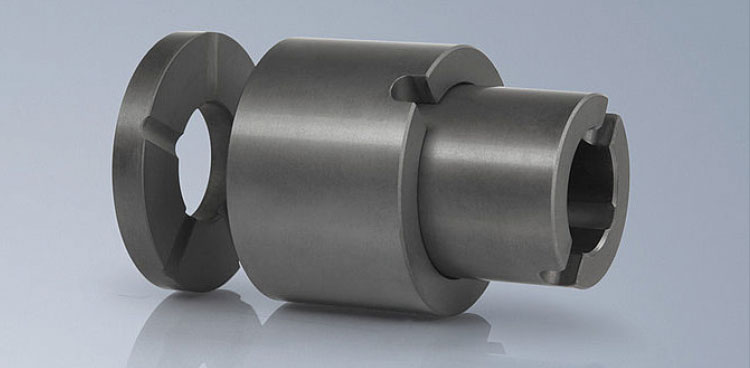
Advancements in Sliding Bearing Technology
Recent years have witnessed significant advancements in sliding bearing technology, leading to improved performance, durability, and efficiency in various applications. Some notable developments include:
Self-Lubricating Materials: The use of advanced self-lubricating materials, such as composite polymers and solid lubricants, has reduced the need for external lubrication, enhancing maintenance-free operation.
Nano-Coatings: Nano-coatings with improved wear resistance and reduced friction have been applied to sliding bearings, extending their lifespan and optimizing performance in demanding environments.
Improved Friction Management: Advanced surface texturing and micro-grooving techniques have been employed to manage friction and reduce wear, contributing to smoother operation and increased efficiency.
Bearing Monitoring Systems: Integration of sensors and monitoring systems allows real-time tracking of bearing health, enabling predictive maintenance and reducing unexpected downtime.
Customization: Modern manufacturing techniques, such as 3D printing and precision machining, allow for customized sliding bearings tailored to specific applications, improving overall system performance.
Environmentally Friendly Solutions: Development of environmentally friendly lubricants and materials ensures compliance with regulations and minimizes the impact of sliding bearing technology on the environment.
High-Load Capacities: Advances in material science and engineering have led to sliding bearings with increased load-carrying capacities, making them suitable for heavy-duty applications.
Enhanced Wear Resistance: Improved material compositions and surface treatments have enhanced wear resistance, reducing the need for frequent replacements and maintenance.
Reduced Noise and Vibration: Innovations in design and materials have resulted in sliding bearings that produce less noise and vibration, contributing to quieter and more comfortable machinery operation.
Integration with IoT: Integration of sliding bearings into the Internet of Things (IoT) networks allows for remote monitoring and optimization of bearing performance.
Digital Twin Technology: Digital twin simulations are being used to model sliding bearing behavior, aiding in design optimization and performance prediction.
Efficiency in High-Temperature Environments: Advancements in heat-resistant materials have enabled sliding bearings to operate efficiently in high-temperature industrial applications.
These advancements collectively contribute to the evolution of sliding bearing technology, making them more reliable, durable, and adaptable to a wide range of industrial and commercial applications.
Managing Friction and Wear in Sliding Bearings
Friction and wear are common challenges in sliding bearings that can lead to reduced performance and premature failure. Here’s a detailed look at these challenges and some solutions to manage them:
Challenges:
- Friction: High friction can lead to energy loss, increased heat generation, and accelerated wear.
- Wear: Continuous contact between sliding surfaces can result in material removal and surface degradation over time.
Solutions:
- Lubrication: Proper lubrication is crucial to reduce friction and wear. Lubricants create a protective film between sliding surfaces, minimizing direct contact and promoting smooth movement.
- Self-Lubricating Bearings: Bearings made from self-lubricating materials, such as polymers containing solid lubricants, can offer continuous lubrication without external intervention.
- Bearing Design: Optimized bearing designs, such as incorporating grooves or pockets for lubricant retention, can enhance lubrication efficiency and reduce friction.
- Maintenance: Regular maintenance and lubricant replenishment help ensure consistent lubrication levels and prevent excessive wear.
- Material Selection: Choosing materials with low friction coefficients and high wear resistance can minimize friction and extend bearing life.
- Surface Treatments: Coatings, such as PTFE or DLC (diamond-like carbon), can be applied to bearing surfaces to reduce friction and enhance wear resistance.
- Clearance Adjustment: Proper clearance between bearing components can reduce friction and prevent excessive loading.
By implementing effective lubrication strategies, choosing appropriate materials, and employing suitable design practices, the challenges of friction and wear in sliding bearings can be effectively managed, leading to improved performance and longer bearing life.
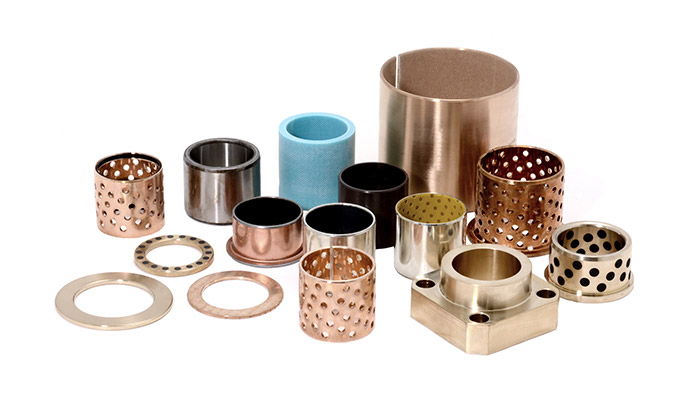
Design Principles and Functions of Sliding Bearings
Sliding bearings, also known as plain bearings or journal bearings, operate on the principle of providing a low-friction interface between two moving surfaces. The design of sliding bearings is based on creating a film of lubrication between the bearing surface and the shaft or journal it supports. This film of lubrication separates the two surfaces and minimizes direct metal-to-metal contact, reducing friction and wear.
The main components and design principles of sliding bearings include:
- Bearing Material: Sliding bearings are typically made from materials with good wear resistance and self-lubricating properties, such as bronze, brass, or various polymers. These materials help reduce friction and prevent excessive wear.
- Lubrication: Lubrication is crucial for the proper functioning of sliding bearings. It can be provided by an external lubricant, solid lubricants embedded in the bearing material, or a combination of both. The lubrication forms a protective layer that reduces direct contact and minimizes friction.
- Clearance: Sliding bearings are designed with a specific clearance between the bearing and the shaft to accommodate the lubricating film and allow for proper movement. This clearance prevents seizing and binding of the bearing.
- Load Distribution: The design of sliding bearings ensures that the load is distributed over a larger surface area to prevent excessive stress on any single point. This feature is essential for handling heavy loads in industrial applications.
- Alignment and Misalignment: Sliding bearings can tolerate small misalignments between the bearing and the shaft. This flexibility allows them to accommodate minor shifts caused by thermal expansion, vibration, or other factors.
- Heat Dissipation: Sliding bearings can generate frictional heat during operation. Proper design includes features to facilitate heat dissipation and prevent overheating that could lead to premature wear.
- Application-Specific Design: The design of sliding bearings can vary based on the specific application requirements, including load capacity, speed, operating temperature, and environmental conditions.
The functions of sliding bearings include providing support to rotating or sliding shafts, reducing friction, absorbing and distributing loads, allowing for misalignment, and offering smooth movement even in dirty or contaminated environments. Sliding bearings are commonly used in various industrial machinery and equipment, including engines, pumps, conveyors, and manufacturing equipment.
Overall, the design principles and functions of sliding bearings make them suitable for applications where low friction, durability, load-bearing capacity, and adaptability to varying conditions are essential.
editor by lmc 2024-11-19
Professional
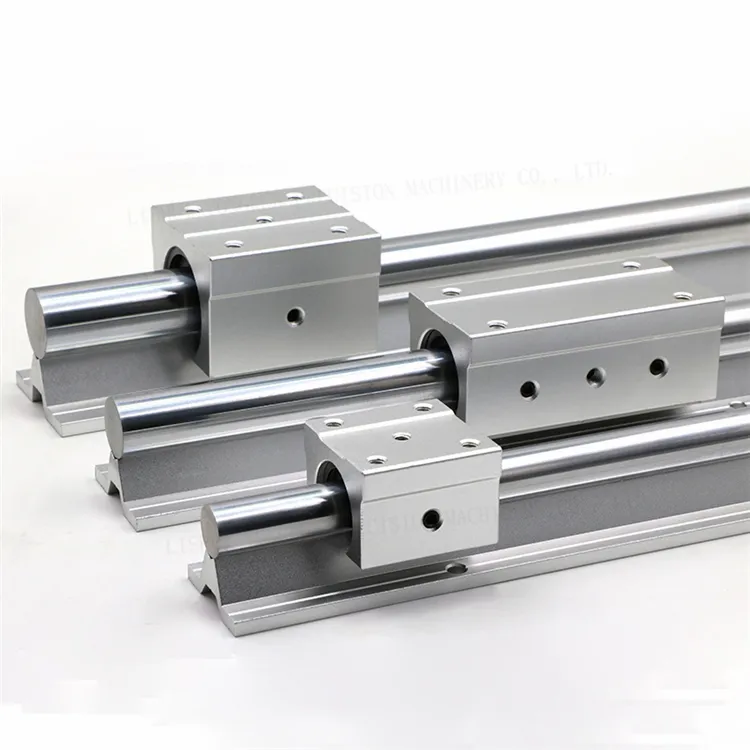
Differences Between Plain Sliding Bearings and Self-Lubricating Bearings
Plain sliding bearings and self-lubricating bearings are two distinct types of bearings used in various applications. Here are the key differences between them:
Plain Sliding Bearings:
- Plain sliding bearings, also known as bushings, are simple bearing components that consist of a cylindrical sleeve made of a bearing material.
- These bearings require external lubrication, such as grease or oil, to reduce friction and wear between the bearing and the shaft.
- Regular maintenance and lubrication are essential to ensure proper operation and longevity.
- Plain sliding bearings are cost-effective and suitable for applications where lubrication can be easily provided.
- They are commonly used in low-speed and low-load applications, where the shaft slides within the bearing.
Self-Lubricating Bearings:
- Self-lubricating bearings, also known as maintenance-free bearings, are designed to operate without the need for external lubrication.
- These bearings incorporate solid lubricants, such as graphite, PTFE (polytetrafluoroethylene), or other additives, directly into the bearing material.
- The solid lubricants are released gradually as the bearing operates, reducing friction and providing a consistent lubricating film.
- Self-lubricating bearings are ideal for applications where frequent maintenance or lubrication is impractical or not feasible.
- They are suitable for both low-load and high-load applications, as the self-lubricating properties help extend the bearing’s service life.
In summary, plain sliding bearings require external lubrication and are suitable for applications where lubrication can be provided, while self-lubricating bearings incorporate solid lubricants and operate without the need for regular maintenance. The choice between these two types depends on factors such as the application’s operating conditions, maintenance requirements, and budget considerations.
Signs of Wear or Damage in Sliding Bearings and Replacement Timing
Recognizing signs of wear or damage in sliding bearings is crucial for maintaining the performance and integrity of machinery and equipment. Here are the common signs to look for and the appropriate timing for replacement:
Increased Friction and Heat: If you notice higher levels of friction or heat around the bearing area, it could indicate that the bearing surfaces are experiencing excessive wear. Over time, this can lead to reduced efficiency and potentially cause further damage to the bearing and surrounding components.
Abnormal Noise: Unusual noises, such as grinding, squeaking, or knocking sounds, can indicate wear or damage within the sliding bearings. These noises are often caused by metal-to-metal contact or irregular movement of the bearing surfaces.
Uneven Wear Patterns: Inspect the bearing surfaces for uneven wear patterns, pitting, or scoring. These signs suggest that the bearing is not distributing the load properly, leading to localized damage and reduced performance.
Reduced Performance: If you notice a decline in the overall performance of the machinery or equipment, such as decreased output, slower operation, or reduced precision, it could be due to compromised sliding bearings.
Excessive Vibration: Excessive vibration can be a result of misaligned or damaged sliding bearings. Vibrations can affect the stability of the machinery and lead to premature wear of other components.
Visible Debris or Contamination: If you observe signs of debris, contaminants, or metal particles in the lubricant or around the bearing area, it could indicate wear or damage. Contaminants can accelerate wear and cause abrasive damage to the bearing surfaces.
Leakage of Lubricant: Sliding bearings often require proper lubrication to function effectively. If you notice a significant amount of lubricant leakage or seepage, it might be a sign that the bearing seals are compromised, which can lead to inadequate lubrication and accelerated wear.
Replacement Timing: It’s essential to replace sliding bearings as soon as signs of wear or damage are detected. Delaying replacement can lead to further deterioration, increased downtime, and potential damage to other components. Regular maintenance and inspections can help catch these issues early and prevent costly breakdowns.
Overall, monitoring the condition of sliding bearings through routine inspections and addressing signs of wear promptly can help ensure the longevity, efficiency, and reliability of machinery and equipment.
Advantages of Sliding Bearings Compared to Other Bearings
Sliding bearings, also known as plain bearings or journal bearings, offer several advantages compared to other types of bearings. These advantages make them suitable for specific applications where their characteristics are beneficial:
- High Load-Carrying Capacity: Sliding bearings can handle high loads due to their larger contact area and distribution of pressure, making them suitable for heavy machinery and industrial equipment.
- Low Friction: Sliding bearings operate on the principle of sliding friction, which can result in lower frictional losses and energy consumption compared to rolling element bearings.
- Simplicity: Sliding bearings have a straightforward design with fewer components, reducing complexity and potential points of failure.
- Cost-Effectiveness: The simpler design and manufacturing process of sliding bearings can lead to lower production costs and maintenance expenses.
- Shock and Vibration Absorption: Sliding bearings can dampen shocks and vibrations due to their ability to accommodate misalignments and absorb dynamic forces.
- High-Temperature Applications: Some sliding bearings are capable of operating in high-temperature environments where other types of bearings might fail.
- Self-Lubrication: Some sliding bearings are designed with self-lubricating materials, reducing the need for external lubrication and maintenance.
- Noisiness: Sliding bearings often produce less noise than rolling element bearings, which can be advantageous in noise-sensitive applications.
- Corrosion Resistance: Sliding bearings made from materials such as bronze or plastic can offer better corrosion resistance in certain environments.
- Adaptability to Dirty Environments: Sliding bearings can perform well in dirty or contaminated environments where rolling element bearings might be more prone to failure due to debris.
However, it’s important to note that sliding bearings also have limitations, such as higher frictional heat generation, potential for stick-slip behavior, and limited suitability for high-speed applications. The choice between sliding bearings and other types of bearings depends on the specific requirements of the application and the trade-offs that need to be considered.
editor by lmc 2024-11-15
factory
Differences Between Plain Sliding Bearings and Self-Lubricating Bearings
Plain sliding bearings and self-lubricating bearings are two distinct types of bearings used in various applications. Here are the key differences between them:
Plain Sliding Bearings:
- Plain sliding bearings, also known as bushings, are simple bearing components that consist of a cylindrical sleeve made of a bearing material.
- These bearings require external lubrication, such as grease or oil, to reduce friction and wear between the bearing and the shaft.
- Regular maintenance and lubrication are essential to ensure proper operation and longevity.
- Plain sliding bearings are cost-effective and suitable for applications where lubrication can be easily provided.
- They are commonly used in low-speed and low-load applications, where the shaft slides within the bearing.
Self-Lubricating Bearings:
- Self-lubricating bearings, also known as maintenance-free bearings, are designed to operate without the need for external lubrication.
- These bearings incorporate solid lubricants, such as graphite, PTFE (polytetrafluoroethylene), or other additives, directly into the bearing material.
- The solid lubricants are released gradually as the bearing operates, reducing friction and providing a consistent lubricating film.
- Self-lubricating bearings are ideal for applications where frequent maintenance or lubrication is impractical or not feasible.
- They are suitable for both low-load and high-load applications, as the self-lubricating properties help extend the bearing’s service life.
In summary, plain sliding bearings require external lubrication and are suitable for applications where lubrication can be provided, while self-lubricating bearings incorporate solid lubricants and operate without the need for regular maintenance. The choice between these two types depends on factors such as the application’s operating conditions, maintenance requirements, and budget considerations.
Managing Friction and Wear in Sliding Bearings
Friction and wear are common challenges in sliding bearings that can lead to reduced performance and premature failure. Here’s a detailed look at these challenges and some solutions to manage them:
Challenges:
- Friction: High friction can lead to energy loss, increased heat generation, and accelerated wear.
- Wear: Continuous contact between sliding surfaces can result in material removal and surface degradation over time.
Solutions:
- Lubrication: Proper lubrication is crucial to reduce friction and wear. Lubricants create a protective film between sliding surfaces, minimizing direct contact and promoting smooth movement.
- Self-Lubricating Bearings: Bearings made from self-lubricating materials, such as polymers containing solid lubricants, can offer continuous lubrication without external intervention.
- Bearing Design: Optimized bearing designs, such as incorporating grooves or pockets for lubricant retention, can enhance lubrication efficiency and reduce friction.
- Maintenance: Regular maintenance and lubricant replenishment help ensure consistent lubrication levels and prevent excessive wear.
- Material Selection: Choosing materials with low friction coefficients and high wear resistance can minimize friction and extend bearing life.
- Surface Treatments: Coatings, such as PTFE or DLC (diamond-like carbon), can be applied to bearing surfaces to reduce friction and enhance wear resistance.
- Clearance Adjustment: Proper clearance between bearing components can reduce friction and prevent excessive loading.
By implementing effective lubrication strategies, choosing appropriate materials, and employing suitable design practices, the challenges of friction and wear in sliding bearings can be effectively managed, leading to improved performance and longer bearing life.
Advantages of Sliding Bearings Compared to Other Bearings
Sliding bearings, also known as plain bearings or journal bearings, offer several advantages compared to other types of bearings. These advantages make them suitable for specific applications where their characteristics are beneficial:
- High Load-Carrying Capacity: Sliding bearings can handle high loads due to their larger contact area and distribution of pressure, making them suitable for heavy machinery and industrial equipment.
- Low Friction: Sliding bearings operate on the principle of sliding friction, which can result in lower frictional losses and energy consumption compared to rolling element bearings.
- Simplicity: Sliding bearings have a straightforward design with fewer components, reducing complexity and potential points of failure.
- Cost-Effectiveness: The simpler design and manufacturing process of sliding bearings can lead to lower production costs and maintenance expenses.
- Shock and Vibration Absorption: Sliding bearings can dampen shocks and vibrations due to their ability to accommodate misalignments and absorb dynamic forces.
- High-Temperature Applications: Some sliding bearings are capable of operating in high-temperature environments where other types of bearings might fail.
- Self-Lubrication: Some sliding bearings are designed with self-lubricating materials, reducing the need for external lubrication and maintenance.
- Noisiness: Sliding bearings often produce less noise than rolling element bearings, which can be advantageous in noise-sensitive applications.
- Corrosion Resistance: Sliding bearings made from materials such as bronze or plastic can offer better corrosion resistance in certain environments.
- Adaptability to Dirty Environments: Sliding bearings can perform well in dirty or contaminated environments where rolling element bearings might be more prone to failure due to debris.
However, it’s important to note that sliding bearings also have limitations, such as higher frictional heat generation, potential for stick-slip behavior, and limited suitability for high-speed applications. The choice between sliding bearings and other types of bearings depends on the specific requirements of the application and the trade-offs that need to be considered.
editor by lmc 2024-11-15
China Hot selling Silicon Carbide Sliding Bearing Ceramics with High Hardness 12v air compressor

China Hot Selling Silicon Carbide Sliding Bearing Ceramics with High Hardness 12v Air Compressor
Product Description
The mechanical seal-multiple spring is available in a wide variety of elastomers for handling practically every industrial fluid. All components are held together by a snap ring in a unified construction design and can be easily repaired on-site. Silicon carbide is used to make mechanical SIC seal rings, which have excellent corrosion resistance, a high coefficient of heat conductivity, self-lubricity, low density, high hardness, and can be customized for production.
Polished and precision silicon Carbide Seal Ring is widely used in pumps, mixers, blenders, agitators, refrigeration compressors, blowers, fans, and other rotary shaft equipment in demanding applications like the pulp and paper, food processing, water, wastewater, refrigeration, chemical processing, and other industries.
| Item | Unit | Sic | SSIC |
|---|---|---|---|
| Purity | % | ≥90 | ≥98 |
| Density | g/cm3 | 3.05 | 3.1 |
| Shore Hardness | HS | 110-125 | 120-130 |
| Elastic Modulus | MPa | 4.12×10^5 | 4.10×10^5 |
| Poisson Ratio | 0.15 | 0.16 | |
| Tensile Strength | MPa | 2.75×10^2 | 2.8×10^2 |
| Bending Strength | MPa | 4.41×10^2 | 4.9×10^2 |
| Compression Strength | MPa | 2.94×10^3 | 3.0×10^2 |
| Thermal Conductivity | W/m.k | 141 | 147 |
| Coefficient of Thermal Expansion | l/ºC | 4.3×10^-6 | 4.0×10^-6 |
| Heat Resistance | 1600°C | 165°C | |
| Thermal Impact Coefficient | cal/cm.sec | 46.5 | 200 |
| Tolerance | mm | -0.02–+0.02 | -0.02–+0.02 |
| Acid Resistance | 5 times higher than the usual TC | Resist all chemical media |
Advantage of Mission SiC bushing:
- High purity material
- Good wear resistance
- Fine grinding surface
- Tight tolerance
- Fast delivery
Mechanical seal could be interchangeable with John crane, Aesseal, Vulcan, Roten seals, and other brands.
Product Features
- High and low temperature resistant
- Acid-alkali resistant
- Ozone resistant
- Aging resistant
- Weather-resistant
- Good insulation property
- Anti-toxic
- Good air-permeable
Welcome to quote for more details.

Frequently Asked Questions
Question 1: What is the purity of the silicon carbide material used to make the mechanical seal?
Answer: The purity is ≥90% for Sic and ≥98% for SSIC.
Question 2: What are the main applications of the polished and precision silicon carbide seal ring?
Answer: The polished and precision silicon carbide seal ring is widely used in pumps, mixers, blenders, agitators, refrigeration compressors, blowers, fans, and other rotary shaft equipment in demanding applications, such as the pulp and paper, food processing, water, wastewater, refrigeration, chemical processing, and other industries.
Question 3: What are the advantages of the Mission SiC bushing?
Answer: The advantages of the Mission SiC bushing include high purity material, good wear resistance, fine grinding surface, tight tolerance, and fast delivery.
Question 4: What is the heat resistance of the silicon carbide seal ring?
Answer: The silicon carbide seal ring has a heat resistance of 1600°C.
Question 5: How can I order customized products?
Answer: Customers are welcome to customize products with drawings and samples. Please feel free to contact us for more information.
Other Products and Businesses
Our company mainly supplies various industrial products, such as agricultural gearboxes, power output shafts, sprockets, hydraulic couplings, worm gear reducers, racks, roller chains, pulleys, planetary gearboxes, timing pulleys, bushings, etc. We offer high-quality products, preferential prices, and thoughtful services.
Performance Characteristics of Sliding Bearing
Sliding bearings, also known as plain bearings, offer several performance characteristics that make them a popular choice in various industries. These characteristics include:
- Low friction: Sliding bearings are designed to reduce friction between moving parts, minimizing wear and tear.
- High load capacity: These bearings can handle heavy loads, making them suitable for applications with significant weight and pressure.
- Self-lubrication: Sliding bearings have built-in lubrication systems that allow for smooth and efficient operation without the need for additional lubricants.
- Noise reduction: Due to their design, sliding bearings produce minimal noise during operation, contributing to a quieter working environment.
Types and Characteristics of Sliding Bearing
There are various types of sliding bearings available, each with its own unique characteristics. Some common types include:
- Journal bearings: These bearings support rotating shafts and provide radial support.
- Thrust bearings: Designed to handle axial loads, thrust bearings are used to support axial shaft movement.
- Linear bearings: These bearings facilitate linear motion, allowing for smooth and precise movement along a linear axis.
The characteristics of sliding bearings can vary depending on the material used. Different materials offer distinct advantages:
- Bronze bearings: Bronze bearings are known for their excellent heat dissipation and resistance to corrosion.
- Plastic bearings: These bearings are lightweight, self-lubricating, and resistant to chemicals, making them suitable for various applications.
- Composite bearings: Composite bearings combine the advantages of different materials, offering improved performance and durability.
Application of Sliding Bearing in Various Industries
Sliding bearings find widespread application in several industries, including:
- Automotive Industry: Sliding bearings are used in engines, transmissions, and suspension systems, ensuring smooth and efficient operation.
- Aerospace Industry: These bearings play a crucial role in aircraft engines and landing gear systems, providing reliable performance under extreme conditions.
- Marine Applications: Sliding bearings are essential components in marine engines and propeller shafts, offering reliable operation in challenging maritime environments.
- Industrial Machinery: From heavy machinery to precision instruments, sliding bearings are utilized in a wide range of industrial equipment.
- Energy Generation: Sliding bearings support turbines, generators, and other power generation equipment, ensuring efficient energy production.

Future Development Trends and Opportunities
The future of sliding bearings looks promising, with several development trends and opportunities on the horizon. These include:
- Advancements in material technology: New materials with enhanced properties will contribute to improved bearing performance and longevity.
- Increased demand for efficient and eco-friendly solutions: Sliding bearings will continue to be in demand as industries strive for energy-efficient and sustainable practices.
- Growing market for industrial automation: As automation expands, the need for reliable bearing solutions will rise, presenting opportunities for further innovation.
Choosing a Suitable Sliding Bearing
When selecting a sliding bearing, several factors should be considered:
- Load Capacity: Determine the maximum load the bearing will need to support to ensure optimal performance.
- Speed and Motion Type: Consider the speed and type of motion the bearing will experience to select the appropriate bearing design.
- Material Selection: Choose a material that suits the specific application requirements, considering factors such as temperature, corrosion resistance, and lubrication needs.
- Operating Temperature: Ensure the bearing can withstand the expected temperature range of the application environment.
- Environmental Factors: Assess any special environmental conditions, such as moisture or chemical exposure, to select a bearing with suitable resistance.
- Maintenance: Consider the maintenance requirements of the bearing, including lubrication intervals and inspection schedules.
In conclusion, sliding bearings offer excellent performance characteristics, a variety of types, and wide-ranging applications in multiple industries. As the market continues to evolve, the future holds promising opportunities for further advancements in sliding bearing technology. To ensure optimal performance, it is crucial to carefully consider the specific requirements of the application when selecting a suitable sliding bearing.
Author: Dream
All the content of this page is from the Internet. The content is only for reference for product selection. Our products are replacement parts and not original spare parts. We are not the holder of the original trademarks mentioned in the content. Our replacement parts can be perfectly adapted to the original spare parts. For original spare parts, please contact the original factory to purchase. If you wish to buy original spare parts, please contact the original supplier.
China Best Sales High Quality Radial Joint Bearings Ge25es Ge30es Spherical Sliding Bearings for Tractor and Vehicle Mechanical Motors Ge25es manufacturer

High Quality Radial Joint Bearings for Tractor and Vehicle Mechanical Motors
Radial joint bearings are the ideal solution for any application requiring high load-bearing capacity, impact resistance, corrosion resistance, wear resistance, self alignment, and good lubrication. Our high-quality radial joint bearings, such as the GE25ES and GE30ES spherical sliding bearings, are produced using various special techniques such as surface phosphating, nozzle blowing, gasket embedding, and spraying. They are suitable for a wide range of industries including agricultural machinery, construction machinery, and automotive applications.
Product Description
Joint bearings are a type of spherical sliding bearing with inner and outer spherical sliding contact surfaces, which can swing at any angle during movement. They are made of high-quality bearing steel and have a hardness of 59-63HRC. Our joint bearings are manufactured according to strict requirements to ensure the highest quality and performance.
Detailed Photos
Product Parameters
| Model NO. | |
| Vibration | Z1V1, Z2V2, Z3V3; Z4V4 |
| Hardness | 59-63HRC |
| Brand | OEM Service |
| Delivery Time | 3-15 days |
| Packing | Single Box, Plastic Barrel, Carton, Tray |
| Material | Bearing Steel |
| Rolling Body | Roller Bearings |
| Applicable Industries | Food Shop, Energy & Mining, Food & Beverage Shops, Advertising Company |
Product Introduction
Our high-quality radial joint bearings are the perfect solution for any application requiring high load-bearing capacity, impact resistance, corrosion resistance, wear resistance, self alignment, and good lubrication. They are suitable for a wide range of industries including agricultural machinery, construction machinery, and automotive applications. Made of high-quality bearing steel and produced using various special techniques such as surface phosphating, nozzle blowing, gasket embedding, and spraying, our joint bearings are manufactured to strict requirements to ensure the highest quality and performance.
Customers are welcome to customize with drawings and samples. Our company mainly supplies various industrial products, such as agricultural gearboxes, power output shafts, sprockets, hydraulic couplings, worm gear reducers, racks, roller chains, pulleys, planetary gearboxes, timing pulleys, bushings, and more. We are committed to providing high-quality products, preferential prices, and thoughtful services to meet the needs of our customers.
Frequently Asked Questions
Q: What are radial joint bearings?
A: Radial joint bearings are a type of spherical sliding bearing with inner and outer spherical sliding contact surfaces, which can swing at any angle during movement. They are ideal for applications requiring high load-bearing capacity, impact resistance, corrosion resistance, wear resistance, self alignment, and good lubrication.
Q: What industries are radial joint bearings suitable for?
A: Radial joint bearings are suitable for a wide range of industries including agricultural machinery, construction machinery, and automotive applications.
Q: What materials are radial joint bearings made of?
A: Our radial joint bearings are made of high-quality bearing steel and are produced using various special techniques such as surface phosphating, nozzle blowing, gasket embedding, and spraying.
Q: Can I customize radial joint bearings with my own drawings or samples?
A: Yes, customers are welcome to customize with drawings and samples.
Q: What other industrial products does your company supply?
A: Our company mainly supplies various industrial products, such as agricultural gearboxes, power output shafts, sprockets, hydraulic couplings, worm gear reducers, racks, roller chains, pulleys, planetary gearboxes, timing pulleys, bushings, and more.
Performance Characteristics of Sliding Bearing
Sliding bearings, also known as plain bearings, offer several performance characteristics that make them a popular choice in various industries. These characteristics include:
- Low friction: Sliding bearings are designed to reduce friction between moving parts, minimizing wear and tear.
- High load capacity: These bearings can handle heavy loads, making them suitable for applications with significant weight and pressure.
- Self-lubrication: Sliding bearings have built-in lubrication systems that allow for smooth and efficient operation without the need for additional lubricants.
- Noise reduction: Due to their design, sliding bearings produce minimal noise during operation, contributing to a quieter working environment.
Types and Characteristics of Sliding Bearing
There are various types of sliding bearings available, each with its own unique characteristics. Some common types include:
- Journal bearings: These bearings support rotating shafts and provide radial support.
- Thrust bearings: Designed to handle axial loads, thrust bearings are used to support axial shaft movement.
- Linear bearings: These bearings facilitate linear motion, allowing for smooth and precise movement along a linear axis.
The characteristics of sliding bearings can vary depending on the material used. Different materials offer distinct advantages:
- Bronze bearings: Bronze bearings are known for their excellent heat dissipation and resistance to corrosion.
- Plastic bearings: These bearings are lightweight, self-lubricating, and resistant to chemicals, making them suitable for various applications.
- Composite bearings: Composite bearings combine the advantages of different materials, offering improved performance and durability.
Application of Sliding Bearing in Various Industries
Sliding bearings find widespread application in several industries, including:
- Automotive Industry: Sliding bearings are used in engines, transmissions, and suspension systems, ensuring smooth and efficient operation.
- Aerospace Industry: These bearings play a crucial role in aircraft engines and landing gear systems, providing reliable performance under extreme conditions.
- Marine Applications: Sliding bearings are essential components in marine engines and propeller shafts, offering reliable operation in challenging maritime environments.
- Industrial Machinery: From heavy machinery to precision instruments, sliding bearings are utilized in a wide range of industrial equipment.
- Energy Generation: Sliding bearings support turbines, generators, and other power generation equipment, ensuring efficient energy production.
Future Development Trends and Opportunities
The future of sliding bearings looks promising, with several development trends and opportunities on the horizon. These include:
- Advancements in material technology: New materials with enhanced properties will contribute to improved bearing performance and longevity.
- Increased demand for efficient and eco-friendly solutions: Sliding bearings will continue to be in demand as industries strive for energy-efficient and sustainable practices.
- Growing market for industrial automation: As automation expands, the need for reliable bearing solutions will rise, presenting opportunities for further innovation.
Choosing a Suitable Sliding Bearing
When selecting a sliding bearing, several factors should be considered:
- Load Capacity: Determine the maximum load the bearing will need to support to ensure optimal performance.
- Speed and Motion Type: Consider the speed and type of motion the bearing will experience to select the appropriate bearing design.
- Material Selection: Choose a material that suits the specific application requirements, considering factors such as temperature, corrosion resistance, and lubrication needs.
- Operating Temperature: Ensure the bearing can withstand the expected temperature range of the application environment.
- Environmental Factors: Assess any special environmental conditions, such as moisture or chemical exposure, to select a bearing with suitable resistance.
- Maintenance: Consider the maintenance requirements of the bearing, including lubrication intervals and inspection schedules.
In conclusion, sliding bearings offer excellent performance characteristics, a variety of types, and wide-ranging applications in multiple industries. As the market continues to evolve, the future holds promising opportunities for further advancements in sliding bearing technology. To ensure optimal performance, it is crucial to carefully consider the specific requirements of the application when selecting a suitable sliding bearing.
Author: Dream
All the content of this page is from the Internet. The content is only for reference for product selection. Our products are replacement parts and not original spare parts. We are not the holder of the original trademarks mentioned in the content. Our replacement parts can be perfectly adapted to the original spare parts. For original spare parts, please contact the original factory to purchase. If you wish to buy original spare parts, please contact the original supplier.
China best Angular Contact Ball Bearing Self Aligning Roller Spherical Roller Deep Groove Sliding Bearings Elastomeric Skateboard Cylindrical Wheel with Best Sales

High Quality Industrial Bearings
Our company specializes in providing a wide range of industrial products, including angular contact ball bearings, self-aligning roller bearings, spherical roller bearings, deep groove bearings, sliding bearings, elastomeric skateboard wheels, and cylindrical wheels. These products have been highly praised by our customers and have earned a reputation for their durability, high load capacity, low friction, and efficient performance.
Angular Contact Ball Bearings
Angular contact ball bearings are a type of rolling bearing that can support both radial and axial loads. They are ideal for applications with high radial and axial loads, such as gearboxes, pumps, electric motors, and clutches. Our angular contact ball bearings offer high load capacity, high speed, low friction, and durability, making them a great option for any application.
Advantages of Angular Contact Ball Bearings
- High load capacity
- High speed
- Low friction
- Durable
Our angular contact ball bearings have many advantages over other types of bearings. They are designed to support both radial and axial loads, and offer high load capacity, low friction, high speed, and durability. Whether you need a bearing for a gearbox, pump, electric motor, or clutch, our angular contact ball bearings are a great option.
Other Industrial Products
In addition to our bearing products, we also supply a wide range of other industrial products, including agricultural gearboxes, power output shafts, sprockets, hydraulic couplings, worm gear reducers, racks, roller chains, pulleys, planetary gearboxes, timing pulleys, bushings, and more. We are committed to providing high-quality products at competitive prices, and offer thoughtful and efficient customer service. We welcome customers to customize their orders with drawings and samples.
Frequently Asked Questions
1. What are the advantages of angular contact ball bearings?
Angular contact ball bearings have a high load capacity, can operate at high speeds, have low friction, and are durable.
2. What applications are angular contact ball bearings used in?
Angular contact ball bearings are commonly used in gearboxes, pumps, electric motors, and clutches.
3. What other industrial products does your company supply?
In addition to bearings, we supply a wide range of other industrial products, including agricultural gearboxes, power output shafts, sprockets, hydraulic couplings, worm gear reducers, racks, roller chains, pulleys, planetary gearboxes, timing pulleys, bushings, and more.
4. Can I customize my order with drawings and samples?
Yes, we welcome customers to customize their orders with drawings and samples.
5. What kind of customer service do you offer?
We offer thoughtful and efficient customer service, and are committed to providing high-quality products at competitive prices.
Performance Characteristics of Sliding Bearing
Sliding bearings, also known as plain bearings, offer several performance characteristics that make them a popular choice in various industries. These characteristics include:
- Low friction: Sliding bearings are designed to reduce friction between moving parts, minimizing wear and tear.
- High load capacity: These bearings can handle heavy loads, making them suitable for applications with significant weight and pressure.
- Self-lubrication: Sliding bearings have built-in lubrication systems that allow for smooth and efficient operation without the need for additional lubricants.
- Noise reduction: Due to their design, sliding bearings produce minimal noise during operation, contributing to a quieter working environment.
Types and Characteristics of Sliding Bearing
There are various types of sliding bearings available, each with its own unique characteristics. Some common types include:
- Journal bearings: These bearings support rotating shafts and provide radial support.
- Thrust bearings: Designed to handle axial loads, thrust bearings are used to support axial shaft movement.
- Linear bearings: These bearings facilitate linear motion, allowing for smooth and precise movement along a linear axis.
The characteristics of sliding bearings can vary depending on the material used. Different materials offer distinct advantages:
- Bronze bearings: Bronze bearings are known for their excellent heat dissipation and resistance to corrosion.
- Plastic bearings: These bearings are lightweight, self-lubricating, and resistant to chemicals, making them suitable for various applications.
- Composite bearings: Composite bearings combine the advantages of different materials, offering improved performance and durability.
Application of Sliding Bearing in Various Industries
Sliding bearings find widespread application in several industries, including:
- Automotive Industry: Sliding bearings are used in engines, transmissions, and suspension systems, ensuring smooth and efficient operation.
- Aerospace Industry: These bearings play a crucial role in aircraft engines and landing gear systems, providing reliable performance under extreme conditions.
- Marine Applications: Sliding bearings are essential components in marine engines and propeller shafts, offering reliable operation in challenging maritime environments.
- Industrial Machinery: From heavy machinery to precision instruments, sliding bearings are utilized in a wide range of industrial equipment.
- Energy Generation: Sliding bearings support turbines, generators, and other power generation equipment, ensuring efficient energy production.
Future Development Trends and Opportunities
The future of sliding bearings looks promising, with several development trends and opportunities on the horizon. These include:
- Advancements in material technology: New materials with enhanced properties will contribute to improved bearing performance and longevity.
- Increased demand for efficient and eco-friendly solutions: Sliding bearings will continue to be in demand as industries strive for energy-efficient and sustainable practices.
- Growing market for industrial automation: As automation expands, the need for reliable bearing solutions will rise, presenting opportunities for further innovation.
Choosing a Suitable Sliding Bearing
When selecting a sliding bearing, several factors should be considered:
- Load Capacity: Determine the maximum load the bearing will need to support to ensure optimal performance.
- Speed and Motion Type: Consider the speed and type of motion the bearing will experience to select the appropriate bearing design.
- Material Selection: Choose a material that suits the specific application requirements, considering factors such as temperature, corrosion resistance, and lubrication needs.
- Operating Temperature: Ensure the bearing can withstand the expected temperature range of the application environment.
- Environmental Factors: Assess any special environmental conditions, such as moisture or chemical exposure, to select a bearing with suitable resistance.
- Maintenance: Consider the maintenance requirements of the bearing, including lubrication intervals and inspection schedules.
In conclusion, sliding bearings offer excellent performance characteristics, a variety of types, and wide-ranging applications in multiple industries. As the market continues to evolve, the future holds promising opportunities for further advancements in sliding bearing technology. To ensure optimal performance, it is crucial to carefully consider the specific requirements of the application when selecting a suitable sliding bearing.
Author: Dream
All the content of this page is from the Internet. The content is only for reference for product selection. Our products are replacement parts and not original spare parts. We are not the holder of the original trademarks mentioned in the content. Our replacement parts can be perfectly adapted to the original spare parts. For original spare parts, please contact the original factory to purchase. If you wish to buy original spare parts, please contact the original supplier.
China Custom Jdb Graphite Copper Sleeve Slider Wear Resistant High Temperature Resistance Lm Self Lubrication Linear Sliding Bearings air compressor lowes

China Custom Jdb Graphite Copper Sleeve Slider Wear Resistant High Temperature Resistance Lm Self Lubrication Linear Sliding Bearings
Lorem ipsum dolor sit amet, consectetur adipiscing elit. Sed euismod turpis quis tellus tincidunt, id dapibus erat semper. Nam congue purus a massa commodo, et varius nulla bibendum. Phasellus non justo eget tortor imperdiet pulvinar quis et mi. Curabitur et enim non tellus varius venenatis. Integer id rutrum tortor. Maecenas in nibh vel felis semper vulputate. Mauris tellus ipsum, aliquet et leo eu, vestibulum iaculis enim. Integer eget pharetra metus. Vivamus ac facilisis tellus. Nam ut dui at leo cursus consectetur ut id felis. Sed ligula justo, pharetra eu velit in, feugiat ullamcorper lacus. Sed scelerisque tellus leo, at tincidunt turpis vehicula vitae. Sed in felis a ex tempus ultricies. Sed vehicula, nulla et molestie hendrerit, risus mi sollicitudin mauris, vitae egestas quam mauris a nisl.
Product Description
Lorem ipsum dolor sit amet, consectetur adipiscing elit. Suspendisse tincidunt porttitor feugiat. Etiam aliquam metus a lectus pharetra, a consectetur dui efficitur. Quisque faucibus ipsum quis urna commodo, id dignissim eros malesuada. Nullam nec sem id arcu tempor viverra. Nulla facilisi. Fusce pharetra felis ac urna porta, sit amet porta massa tincidunt. Nullam in tincidunt nunc, id semper mi. Ut ac dolor at ipsum sagittis euismod. Phasellus sem eros, feugiat a eleifend eu, sollicitudin quis nulla. Mauris luctus ipsum ut massa fermentum, a vestibulum erat dictum.
| Brand | LSWCBE |
| Model | JDB |
| Lubricant Type | Self-lubricating |
| MOQ | 1 |
Lorem ipsum dolor sit amet, consectetur adipiscing elit. Sed euismod turpis quis tellus tincidunt, id dapibus erat semper. Nam congue purus a massa commodo, et varius nulla bibendum. Phasellus non justo eget tortor imperdiet pulvinar quis et mi. Curabitur et enim non tellus varius venenatis.
Our company mainly supplies various industrial products, such as agricultural gearboxes, power output shafts, sprockets, hydraulic couplings, worm gear reducers, racks, roller chains, pulleys, planetary gearboxes, timing pulleys, bushings, etc. We are committed to providing high-quality products at preferential prices and offering thoughtful services. Customers are welcome to customize with drawings and samples.
Frequently Asked Questions
1. What is the temperature range of these bearings?
The temperature range of these bearings is specifically designed to withstand high temperatures up to XX degrees Celsius.
2. Are these bearings suitable for use in air compressors?
Yes, these bearings are specifically designed to be used in air compressors, providing reliable performance and durability.
3. Can these bearings be self-lubricating?
Yes, these bearings are self-lubricating, eliminating the need for external lubrication and reducing maintenance requirements.
4. What is the minimum order quantity for these bearings?
The minimum order quantity for these bearings is 1 piece, making it convenient for both small and large scale applications.
5. Is customization available for these bearings?
Yes, customization is available for these bearings. Customers can provide their drawings and samples for personalized solutions.
Performance Characteristics of Sliding Bearing
Sliding bearings, also known as plain bearings, offer several performance characteristics that make them a popular choice in various industries. These characteristics include:
- Low friction: Sliding bearings are designed to reduce friction between moving parts, minimizing wear and tear.
- High load capacity: These bearings can handle heavy loads, making them suitable for applications with significant weight and pressure.
- Self-lubrication: Sliding bearings have built-in lubrication systems that allow for smooth and efficient operation without the need for additional lubricants.
- Noise reduction: Due to their design, sliding bearings produce minimal noise during operation, contributing to a quieter working environment.
Types and Characteristics of Sliding Bearing
There are various types of sliding bearings available, each with its own unique characteristics. Some common types include:
- Journal bearings: These bearings support rotating shafts and provide radial support.
- Thrust bearings: Designed to handle axial loads, thrust bearings are used to support axial shaft movement.
- Linear bearings: These bearings facilitate linear motion, allowing for smooth and precise movement along a linear axis.
The characteristics of sliding bearings can vary depending on the material used. Different materials offer distinct advantages:
- Bronze bearings: Bronze bearings are known for their excellent heat dissipation and resistance to corrosion.
- Plastic bearings: These bearings are lightweight, self-lubricating, and resistant to chemicals, making them suitable for various applications.
- Composite bearings: Composite bearings combine the advantages of different materials, offering improved performance and durability.
Application of Sliding Bearing in Various Industries
Sliding bearings find widespread application in several industries, including:
- Automotive Industry: Sliding bearings are used in engines, transmissions, and suspension systems, ensuring smooth and efficient operation.
- Aerospace Industry: These bearings play a crucial role in aircraft engines and landing gear systems, providing reliable performance under extreme conditions.
- Marine Applications: Sliding bearings are essential components in marine engines and propeller shafts, offering reliable operation in challenging maritime environments.
- Industrial Machinery: From heavy machinery to precision instruments, sliding bearings are utilized in a wide range of industrial equipment.
- Energy Generation: Sliding bearings support turbines, generators, and other power generation equipment, ensuring efficient energy production.
Future Development Trends and Opportunities
The future of sliding bearings looks promising, with several development trends and opportunities on the horizon. These include:
- Advancements in material technology: New materials with enhanced properties will contribute to improved bearing performance and longevity.
- Increased demand for efficient and eco-friendly solutions: Sliding bearings will continue to be in demand as industries strive for energy-efficient and sustainable practices.
- Growing market for industrial automation: As automation expands, the need for reliable bearing solutions will rise, presenting opportunities for further innovation.
Choosing a Suitable Sliding Bearing
When selecting a sliding bearing, several factors should be considered:
- Load Capacity: Determine the maximum load the bearing will need to support to ensure optimal performance.
- Speed and Motion Type: Consider the speed and type of motion the bearing will experience to select the appropriate bearing design.
- Material Selection: Choose a material that suits the specific application requirements, considering factors such as temperature, corrosion resistance, and lubrication needs.
- Operating Temperature: Ensure the bearing can withstand the expected temperature range of the application environment.
- Environmental Factors: Assess any special environmental conditions, such as moisture or chemical exposure, to select a bearing with suitable resistance.
- Maintenance: Consider the maintenance requirements of the bearing, including lubrication intervals and inspection schedules.
In conclusion, sliding bearings offer excellent performance characteristics, a variety of types, and wide-ranging applications in multiple industries. As the market continues to evolve, the future holds promising opportunities for further advancements in sliding bearing technology. To ensure optimal performance, it is crucial to carefully consider the specific requirements of the application when selecting a suitable sliding bearing.
Author: Dream
All the content of this page is from the Internet. The content is only for reference for product selection. Our products are replacement parts and not original spare parts. We are not the holder of the original trademarks mentioned in the content. Our replacement parts can be perfectly adapted to the original spare parts. For original spare parts, please contact the original factory to purchase. If you wish to buy original spare parts, please contact the original supplier.
China wholesaler Sintered Silicon Carbide Sliding Bearing Retail/Wholesale with high quality

Sintered Silicon Carbide Sliding Bearing
The Sintered Silicon Carbide Sliding Bearing is a high-quality product that is suitable for both retail and wholesale purposes. It is made from durable materials and offers excellent performance. This sliding bearing is designed to withstand various demanding applications, including pumps, mixers, blenders, agitators, refrigeration compressors, blowers, fans, and other rotary shaft equipment. It is widely used in industries such as pulp and paper, food processing, water, wastewater, refrigeration, and chemical processing.
Product Description
The Mechanical SIC Seal Ring/Silicon Carbide Ring is a polished and precision silicon carbide seal ring that offers exceptional corrosion resistance, high coefficient of heat conductivity, self-lubricity, low density, high hardness, and customized production options. It is an ideal choice for applications that require reliable sealing performance in challenging environments.
Features:
- Purity: ≥90% (Sic), ≥98% (SSIC)
- Density: 3.05 g/cm3 (Sic), 3.1 g/cm3 (SSIC)
- Shore Hardness: 110-125 HS (Sic), 120-130 HS (SSIC)
- Elastic Modulus: 4.12×10⁵ MPa (Sic), 4.10x10s MPa (SSIC)
- Poisson Ratio: 0.15 (Sic), 0.16 (SSIC)
- Tensile Strength: 2.75×10² MPa (Sic), 2.8×10² MPa (SSIC)
- Bending Strength: 4.41×10² MPa (Sic), 4.9×10² MPa (SSIC)
- Compression Strength: 2.94×10³ MPa (Sic), 3.0×10² MPa (SSIC)
- Thermal Conductivity: 141 W/m.k (Sic), 147 W/m.k (SSIC)
- Coefficient of Thermal Expansion: 4.3×10⁻⁶ l/ºC (Sic), 4.0×10⁻⁶ l/ºC (SSIC)
- Heat Resistance: 1600°C (Sic), 1650°C (SSIC)
- Thermal Impact Coefficient: 46.5 cal/cm.sec (Sic), 200 cal/cm.sec (SSIC)
- Tolerance: -0.02–+0.02 mm (Sic), -0.02–+0.02 mm (SSIC)
- Acid Resistance: 5 times higher than the usual TC (Sic), Resist al chemical media (SSIC)
The Sintered Silicon Carbide Sliding Bearing offers several advantages, including:
- High purity material
- Good wear resistance
- Fine grinding surface
- Tight tolerance
- Fast delivery
Our company specializes in various industrial products, including agricultural gearboxes, power output shafts, sprockets, hydraulic couplings, worm gear reducers, racks, roller chains, pulleys, planetary gearboxes, timing pulleys, bushings, and more. We pride ourselves on providing high-quality products at competitive prices, accompanied by excellent customer service. We welcome customization requests based on drawings or samples to meet specific requirements.
Frequently Asked Questions
Question 1: Are you a factory or a trade company?
Answer: We are a factory and have our top sales for the trade service.
Question 2: Can I try to get a SAMPLE before the order?
Answer: Sure. You can ask for the samples. Usually, they’re free.
Question 3: Where is your factory located? How can I visit there?
Answer: Our factory is located in HangZhou, China. You can fly to HangZhou or ZheJiang airport directly. All our clients, from home or abroad, are warmly welcome to visit us!
Question 4: How does your factory do regarding quality control?
Answer: Quality is a priority. We always attach great importance to quality controlling from the very beginning to the very end. Our factory has gained ISO9001 authentication.
Question 5: How about the lead time?
Answer: Within 10-20 days after getting the prepayment.
Performance Characteristics of Sliding Bearing
Sliding bearings, also known as plain bearings, offer several performance characteristics that make them a popular choice in various industries. These characteristics include:
- Low friction: Sliding bearings are designed to reduce friction between moving parts, minimizing wear and tear.
- High load capacity: These bearings can handle heavy loads, making them suitable for applications with significant weight and pressure.
- Self-lubrication: Sliding bearings have built-in lubrication systems that allow for smooth and efficient operation without the need for additional lubricants.
- Noise reduction: Due to their design, sliding bearings produce minimal noise during operation, contributing to a quieter working environment.
Types and Characteristics of Sliding Bearing
There are various types of sliding bearings available, each with its own unique characteristics. Some common types include:
- Journal bearings: These bearings support rotating shafts and provide radial support.
- Thrust bearings: Designed to handle axial loads, thrust bearings are used to support axial shaft movement.
- Linear bearings: These bearings facilitate linear motion, allowing for smooth and precise movement along a linear axis.
The characteristics of sliding bearings can vary depending on the material used. Different materials offer distinct advantages:
- Bronze bearings: Bronze bearings are known for their excellent heat dissipation and resistance to corrosion.
- Plastic bearings: These bearings are lightweight, self-lubricating, and resistant to chemicals, making them suitable for various applications.
- Composite bearings: Composite bearings combine the advantages of different materials, offering improved performance and durability.
Application of Sliding Bearing in Various Industries
Sliding bearings find widespread application in several industries, including:
- Automotive Industry: Sliding bearings are used in engines, transmissions, and suspension systems, ensuring smooth and efficient operation.
- Aerospace Industry: These bearings play a crucial role in aircraft engines and landing gear systems, providing reliable performance under extreme conditions.
- Marine Applications: Sliding bearings are essential components in marine engines and propeller shafts, offering reliable operation in challenging maritime environments.
- Industrial Machinery: From heavy machinery to precision instruments, sliding bearings are utilized in a wide range of industrial equipment.
- Energy Generation: Sliding bearings support turbines, generators, and other power generation equipment, ensuring efficient energy production.
Future Development Trends and Opportunities
The future of sliding bearings looks promising, with several development trends and opportunities on the horizon. These include:
- Advancements in material technology: New materials with enhanced properties will contribute to improved bearing performance and longevity.
- Increased demand for efficient and eco-friendly solutions: Sliding bearings will continue to be in demand as industries strive for energy-efficient and sustainable practices.
- Growing market for industrial automation: As automation expands, the need for reliable bearing solutions will rise, presenting opportunities for further innovation.
Choosing a Suitable Sliding Bearing
When selecting a sliding bearing, several factors should be considered:
- Load Capacity: Determine the maximum load the bearing will need to support to ensure optimal performance.
- Speed and Motion Type: Consider the speed and type of motion the bearing will experience to select the appropriate bearing design.
- Material Selection: Choose a material that suits the specific application requirements, considering factors such as temperature, corrosion resistance, and lubrication needs.
- Operating Temperature: Ensure the bearing can withstand the expected temperature range of the application environment.
- Environmental Factors: Assess any special environmental conditions, such as moisture or chemical exposure, to select a bearing with suitable resistance.
- Maintenance: Consider the maintenance requirements of the bearing, including lubrication intervals and inspection schedules.
In conclusion, sliding bearings offer excellent performance characteristics, a variety of types, and wide-ranging applications in multiple industries. As the market continues to evolve, the future holds promising opportunities for further advancements in sliding bearing technology. To ensure optimal performance, it is crucial to carefully consider the specific requirements of the application when selecting a suitable sliding bearing.
Author: Dream
All the content of this page is from the Internet. The content is only for reference for product selection. Our products are replacement parts and not original spare parts. We are not the holder of the original trademarks mentioned in the content. Our replacement parts can be perfectly adapted to the original spare parts. For original spare parts, please contact the original factory to purchase. If you wish to buy original spare parts, please contact the original supplier.
China factory Radial Ge Spherical Plain Bearing Ge60es Ge50es Ge45es Ball Joint Bearings Spherical Plain Sliding Bearing air compressor portable

Radial Ge Spherical Plain Bearing Ge60es Ge50es Ge45es Ball Joint Bearings
Joint bearing is a type of spherical sliding bearing with inner and outer spherical sliding contact surfaces, which can swing at any angle during movement. It is produced using various special techniques such as surface phosphating, nozzle blowing, gasket embedding, and spraying. Joint bearings have the characteristics of high load-bearing capacity, impact resistance, corrosion resistance, wear resistance, self-alignment, and good lubrication.
Detailed Photos
Product Parameters
| Model NO. | |
| Vibration | Z1V1, Z2V2, Z3V3; Z4V4 |
| Hardness | 59-63HRC |
| Brand | OEM Service |
| Delivery Time | 3-15 days |
| Packing | Single Box, Plastic Barrel, Carton, Tray |
| Material | Bearing Steel |
| Rolling Body | Roller Bearings |
| Applicable Industries | Food Shop, Energy & Mining, Food & Beverage Shops, Advertising Company |
Product Introduction
Our company specializes in supplying various industrial products, including agricultural gearboxes, power output shafts, sprockets, hydraulic couplings, worm gear reducers, racks, roller chains, pulleys, planetary gearboxes, timing pulleys, bushings, and more. We are committed to providing high-quality products, competitive prices, and excellent services to our customers. We welcome customization based on drawings and samples.
Our Advantages
The main members of our company have extensive experience in designing and manufacturing joint bearings. Since our establishment, we have been dedicated to meeting the needs of our customers by providing them with top-notch products and services. All our products are designed and manufactured according to strict requirements to ensure the highest quality.
Certifications
FAQ
-
Can you customize it for me?
Of course, we can provide OEM services based on your drawings or samples.
-
Are you a trading company or manufacturer?
We have our own factory, and we also engage in trading.
-
How long is your delivery time?
If the product is in stock, we can ship it within 7 days. For larger orders, it may take longer based on the quantity.
-
When can I get the price?
Once you provide us with the correct bearing part number/model numbers and quantity, we will quote you as soon as possible.
-
What other products and businesses does your company offer?
In addition to joint bearings, our company supplies various industrial products such as agricultural gearboxes, power output shafts, sprockets, hydraulic couplings, worm gear reducers, racks, roller chains, pulleys, planetary gearboxes, timing pulleys, bushings, and more. We take pride in offering high-quality products, competitive prices, and attentive customer service.
View More
Performance Characteristics of Sliding Bearing
Sliding bearings, also known as plain bearings, offer several performance characteristics that make them a popular choice in various industries. These characteristics include:
- Low friction: Sliding bearings are designed to reduce friction between moving parts, minimizing wear and tear.
- High load capacity: These bearings can handle heavy loads, making them suitable for applications with significant weight and pressure.
- Self-lubrication: Sliding bearings have built-in lubrication systems that allow for smooth and efficient operation without the need for additional lubricants.
- Noise reduction: Due to their design, sliding bearings produce minimal noise during operation, contributing to a quieter working environment.
Types and Characteristics of Sliding Bearing
There are various types of sliding bearings available, each with its own unique characteristics. Some common types include:
- Journal bearings: These bearings support rotating shafts and provide radial support.
- Thrust bearings: Designed to handle axial loads, thrust bearings are used to support axial shaft movement.
- Linear bearings: These bearings facilitate linear motion, allowing for smooth and precise movement along a linear axis.
The characteristics of sliding bearings can vary depending on the material used. Different materials offer distinct advantages:
- Bronze bearings: Bronze bearings are known for their excellent heat dissipation and resistance to corrosion.
- Plastic bearings: These bearings are lightweight, self-lubricating, and resistant to chemicals, making them suitable for various applications.
- Composite bearings: Composite bearings combine the advantages of different materials, offering improved performance and durability.
Application of Sliding Bearing in Various Industries
Sliding bearings find widespread application in several industries, including:
- Automotive Industry: Sliding bearings are used in engines, transmissions, and suspension systems, ensuring smooth and efficient operation.
- Aerospace Industry: These bearings play a crucial role in aircraft engines and landing gear systems, providing reliable performance under extreme conditions.
- Marine Applications: Sliding bearings are essential components in marine engines and propeller shafts, offering reliable operation in challenging maritime environments.
- Industrial Machinery: From heavy machinery to precision instruments, sliding bearings are utilized in a wide range of industrial equipment.
- Energy Generation: Sliding bearings support turbines, generators, and other power generation equipment, ensuring efficient energy production.
Future Development Trends and Opportunities
The future of sliding bearings looks promising, with several development trends and opportunities on the horizon. These include:
- Advancements in material technology: New materials with enhanced properties will contribute to improved bearing performance and longevity.
- Increased demand for efficient and eco-friendly solutions: Sliding bearings will continue to be in demand as industries strive for energy-efficient and sustainable practices.
- Growing market for industrial automation: As automation expands, the need for reliable bearing solutions will rise, presenting opportunities for further innovation.
Choosing a Suitable Sliding Bearing
When selecting a sliding bearing, several factors should be considered:
- Load Capacity: Determine the maximum load the bearing will need to support to ensure optimal performance.
- Speed and Motion Type: Consider the speed and type of motion the bearing will experience to select the appropriate bearing design.
- Material Selection: Choose a material that suits the specific application requirements, considering factors such as temperature, corrosion resistance, and lubrication needs.
- Operating Temperature: Ensure the bearing can withstand the expected temperature range of the application environment.
- Environmental Factors: Assess any special environmental conditions, such as moisture or chemical exposure, to select a bearing with suitable resistance.
- Maintenance: Consider the maintenance requirements of the bearing, including lubrication intervals and inspection schedules.
In conclusion, sliding bearings offer excellent performance characteristics, a variety of types, and wide-ranging applications in multiple industries. As the market continues to evolve, the future holds promising opportunities for further advancements in sliding bearing technology. To ensure optimal performance, it is crucial to carefully consider the specific requirements of the application when selecting a suitable sliding bearing.
Author: Dream
All the content of this page is from the Internet. The content is only for reference for product selection. Our products are replacement parts and not original spare parts. We are not the holder of the original trademarks mentioned in the content. Our replacement parts can be perfectly adapted to the original spare parts. For original spare parts, please contact the original factory to purchase. If you wish to buy original spare parts, please contact the original supplier.