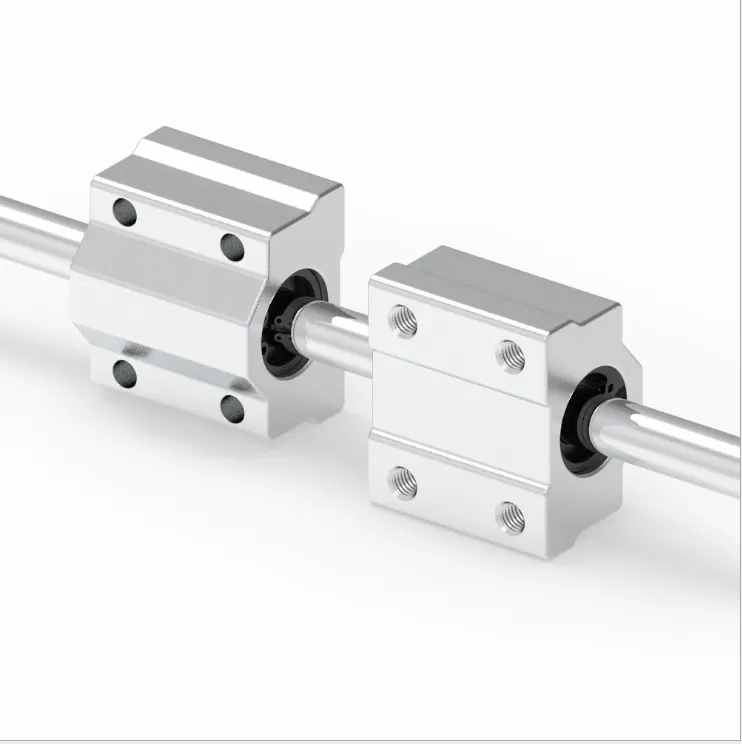
Improvement of Heavy Machinery Operation with Sliding Bearings
Sliding bearings play a crucial role in enhancing the operation of heavy machinery, such as mining equipment. Here’s how they contribute:
Reduced Friction and Wear:
Sliding bearings are designed to minimize friction between moving parts. In heavy machinery, where components are subjected to substantial loads and harsh conditions, reducing friction is essential to prevent premature wear and damage. Sliding bearings help distribute loads evenly and provide a smooth surface for components to slide against, reducing the risk of friction-induced failures.
Increased Durability:
The robust construction and materials used in sliding bearings make them well-suited for heavy machinery applications. They can withstand the heavy loads, impacts, and vibrations commonly encountered in mining equipment. Their durability contributes to the overall reliability and longevity of the machinery.
Improved Efficiency:
Efficiency is critical in heavy machinery to maximize productivity while minimizing energy consumption. Sliding bearings contribute to improved efficiency by reducing energy losses due to friction. With lower friction, machinery components can move more freely, requiring less energy to overcome resistance.
Resistance to Contaminants:
Mining environments are often filled with dust, dirt, and debris that can infiltrate machinery components. Sliding bearings are designed to operate effectively even in contaminated conditions. Their design and materials help prevent the intrusion of contaminants, reducing the risk of premature wear and component failure.
Enhanced Load Distribution:
Heavy machinery, especially in mining, experiences dynamic and uneven loads. Sliding bearings help distribute these loads evenly across surfaces, preventing localized stress concentrations. This load distribution contributes to the machinery’s overall structural integrity and minimizes the risk of catastrophic failures.
In conclusion, sliding bearings are integral to the efficient and reliable operation of heavy machinery in industries like mining. Their ability to reduce friction, enhance durability, improve efficiency, resist contaminants, and distribute loads makes them invaluable components for ensuring the smooth functioning of mining equipment.
Impact of Materials on Sliding Bearing Performance and Durability
The choice of materials used in sliding bearings significantly influences their performance, longevity, and suitability for specific applications. Different materials offer varying characteristics that affect factors such as friction, wear resistance, load capacity, and corrosion resistance. Here are some common materials and their effects:
- Bronze Bearings: Bronze bearings, often made from bronze alloys, offer good load-carrying capacity and resistance to wear. They are suitable for applications with moderate to heavy loads and low to moderate speeds. Bronze bearings also have good heat dissipation properties.
- Steel Bearings: Steel bearings, particularly those made from stainless steel, provide excellent corrosion resistance and are suitable for applications exposed to harsh environments or moisture. Steel bearings are often used in marine and food processing industries.
- Polymer Bearings: Polymer bearings, such as those made from materials like PTFE (polytetrafluoroethylene) or nylon, offer low friction and self-lubricating properties. They are suitable for applications where minimizing friction and wear is critical.
- Composite Bearings: Composite bearings combine different materials to achieve specific performance characteristics. For instance, they might feature a polymer matrix with embedded reinforcing fibers for improved load capacity and wear resistance.
- Graphite Bearings: Bearings with graphite as a lubricating element can operate without additional lubrication in certain conditions, reducing maintenance needs and offering self-lubricating properties.
The selection of materials should consider factors such as the application’s operating conditions, load requirements, speed, temperature, and the presence of corrosive substances. The right material choice ensures optimal performance, durability, and minimal maintenance for sliding bearings.
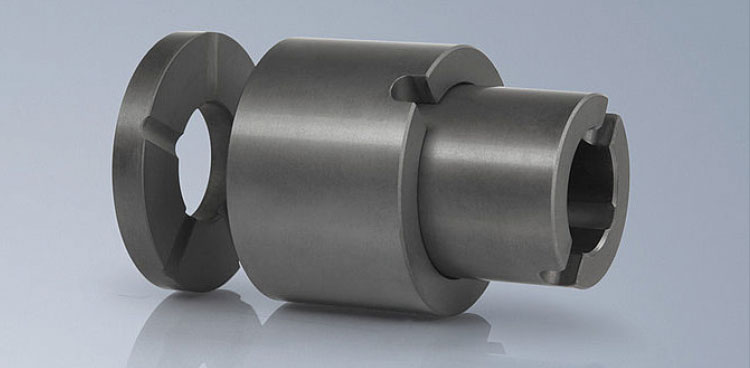
Considerations for Selecting Sliding Bearings
When choosing a sliding bearing for a specific application, several key factors should be taken into consideration:
- Load Capacity: Determine the maximum load the bearing will need to support. This includes both radial and axial loads, as well as any dynamic or static loads.
- Operating Conditions: Consider the operating environment, including temperature, humidity, and exposure to chemicals or contaminants. Different materials and coatings may be required for harsh conditions.
- Lubrication: Choose the appropriate lubrication method based on the application. Consider factors such as the frequency of lubrication, the availability of lubrication points, and the compatibility of lubricants with the bearing material.
- Speed and Motion: Evaluate the speed and type of motion the bearing will experience. Higher speeds may require special considerations for heat dissipation and lubrication.
- Alignment and Misalignment: Determine if the bearing will need to accommodate misalignment between the shaft and the bearing housing. Some applications may require self-aligning or spherical bearings.
- Wear Resistance: Choose a bearing material that offers good wear resistance to prevent premature wear and extend the bearing’s lifespan.
- Noise and Vibration: Consider the impact of noise and vibration on the application. Bearings with proper damping properties can help reduce noise and vibration levels.
- Maintenance Requirements: Assess the ease of maintenance, including lubrication intervals, accessibility of lubrication points, and the need for regular inspections.
- Cost and Availability: Compare the cost of the bearing with its expected performance and lifespan. Also, ensure that the chosen bearing type and size are readily available.
- Application-Specific Considerations: Some applications may have unique requirements, such as corrosion resistance, electrical insulation, or compatibility with food-grade standards.
By carefully considering these factors, you can select a sliding bearing that meets the specific needs of your application, ensuring reliable performance and longevity.


editor by lmc 2024-11-27
factory
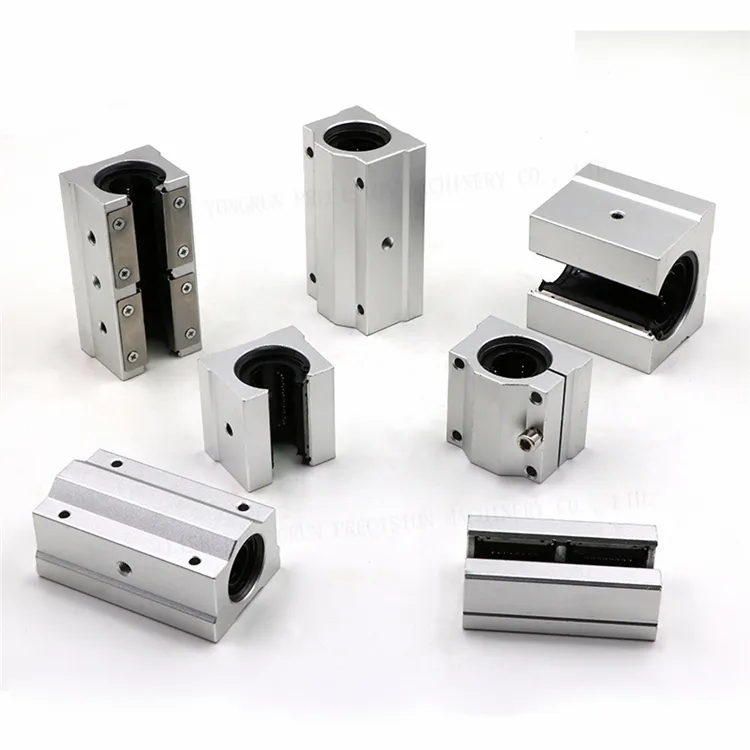
Considerations for Selecting Appropriate Sliding Bearings
Choosing the right type and size of sliding bearing is crucial for ensuring optimal performance and longevity in various applications. Here are key considerations to keep in mind:
Load and Application: Determine the specific load and application requirements. Different sliding bearings are designed to handle varying loads, speeds, and operating conditions. Consider whether the bearing will experience radial, axial, or combined loads, as well as the expected range of motion.
Material Compatibility: Select materials that are compatible with the operating environment. Consider factors such as corrosion resistance, temperature tolerance, and exposure to chemicals or contaminants. Common bearing materials include bronze, steel, and self-lubricating polymers.
Lubrication: Proper lubrication is essential for reducing friction and wear in sliding bearings. Choose a lubrication method that suits the application, whether it’s grease, oil, or self-lubricating materials. Some sliding bearings are designed for maintenance-free operation.
Design and Configuration: Determine the appropriate bearing design, such as bushings, thrust washers, or linear guides. Consider the bearing’s dimensions, including inner and outer diameter, length, and width. The bearing’s configuration should match the available space and mounting requirements.
Load Distribution: Ensure that the selected sliding bearing can evenly distribute the applied load across its surface. This helps prevent premature wear and ensures the bearing’s longevity. Consider the bearing’s load capacity and how it aligns with the actual load demands.
Friction and Wear: Evaluate the bearing’s coefficient of friction and wear characteristics. Lower friction and wear rates contribute to longer bearing life and improved efficiency. Consider whether the bearing requires initial running-in to reach optimal performance.
Maintenance and Service Life: Consider the maintenance requirements and expected service life of the sliding bearing. Some applications may benefit from bearings with extended maintenance intervals or self-lubricating properties, while others may prioritize easy replacement.
Cost-Efficiency: Balancing performance with cost is essential. While high-performance materials and features can enhance bearing performance, they may also increase the upfront cost. Choose a solution that aligns with your budget and long-term operational goals.
Environmental Conditions: Factor in the environmental conditions the bearing will operate in. For example, marine environments may require bearings with exceptional corrosion resistance, while high-temperature applications demand materials with thermal stability.
Supplier Expertise: Partner with reputable suppliers who offer technical expertise and a range of sliding bearing solutions. Suppliers with a strong track record can provide guidance in selecting the most suitable bearing for your specific application.
By carefully considering these factors, you can confidently choose the appropriate type and size of sliding bearing that meets your application’s requirements and ensures optimal performance and reliability.
Maintenance Practices to Extend the Lifespan of Sliding Bearings
Proper maintenance is essential for maximizing the lifespan of sliding bearings and ensuring optimal performance. Here are specific practices that can help extend the life of sliding bearings:
Regular Lubrication: Adequate lubrication is crucial for minimizing friction and wear between sliding surfaces. Follow manufacturer recommendations for lubrication intervals and use the appropriate lubricants for the operating conditions.
Clean Environment: Keep the surrounding environment clean and free from dust, dirt, and contaminants. Regularly clean the machinery or equipment to prevent debris from entering the bearing area.
Seal Integrity: Ensure that bearing seals are in good condition to prevent contaminants from entering and lubricant from escaping. Replace damaged seals promptly to maintain proper protection.
Alignment and Mounting: Proper alignment and mounting of sliding bearings are critical to distribute loads evenly and prevent excessive wear. Follow manufacturer guidelines for installation procedures and torque specifications.
Regular Inspections: Schedule routine inspections to detect early signs of wear, damage, or misalignment. Visual inspections, temperature checks, and vibration analysis can help identify issues before they escalate.
Maintenance Records: Maintain detailed records of maintenance activities, including lubrication schedules, inspections, and replacements. This information can help track the condition of sliding bearings and plan maintenance tasks effectively.
Temperature Management: Control operating temperatures within recommended limits. Excessive heat can degrade lubricants and accelerate wear, while extreme cold can affect bearing performance.
Load Management: Avoid subjecting sliding bearings to loads beyond their specified capacities. Overloading can lead to premature wear and damage.
Training and Education: Ensure that personnel responsible for maintenance are adequately trained in proper procedures. Knowledgeable staff can perform maintenance tasks accurately and identify potential issues.
Timely Replacement: When wear or damage is detected that exceeds acceptable limits, replace sliding bearings promptly to prevent further damage to the machinery or equipment.
By implementing these maintenance practices, you can significantly extend the lifespan of sliding bearings, reduce downtime, and optimize the performance of machinery and equipment.
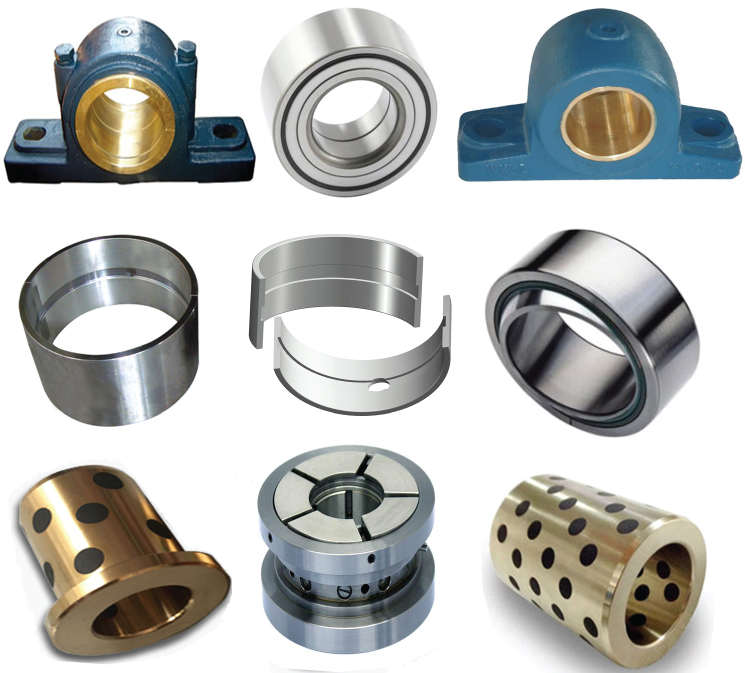
Advantages of Sliding Bearings Compared to Other Bearings
Sliding bearings, also known as plain bearings or journal bearings, offer several advantages compared to other types of bearings. These advantages make them suitable for specific applications where their characteristics are beneficial:
- High Load-Carrying Capacity: Sliding bearings can handle high loads due to their larger contact area and distribution of pressure, making them suitable for heavy machinery and industrial equipment.
- Low Friction: Sliding bearings operate on the principle of sliding friction, which can result in lower frictional losses and energy consumption compared to rolling element bearings.
- Simplicity: Sliding bearings have a straightforward design with fewer components, reducing complexity and potential points of failure.
- Cost-Effectiveness: The simpler design and manufacturing process of sliding bearings can lead to lower production costs and maintenance expenses.
- Shock and Vibration Absorption: Sliding bearings can dampen shocks and vibrations due to their ability to accommodate misalignments and absorb dynamic forces.
- High-Temperature Applications: Some sliding bearings are capable of operating in high-temperature environments where other types of bearings might fail.
- Self-Lubrication: Some sliding bearings are designed with self-lubricating materials, reducing the need for external lubrication and maintenance.
- Noisiness: Sliding bearings often produce less noise than rolling element bearings, which can be advantageous in noise-sensitive applications.
- Corrosion Resistance: Sliding bearings made from materials such as bronze or plastic can offer better corrosion resistance in certain environments.
- Adaptability to Dirty Environments: Sliding bearings can perform well in dirty or contaminated environments where rolling element bearings might be more prone to failure due to debris.
However, it’s important to note that sliding bearings also have limitations, such as higher frictional heat generation, potential for stick-slip behavior, and limited suitability for high-speed applications. The choice between sliding bearings and other types of bearings depends on the specific requirements of the application and the trade-offs that need to be considered.
editor by lmc 2024-11-27
Standard
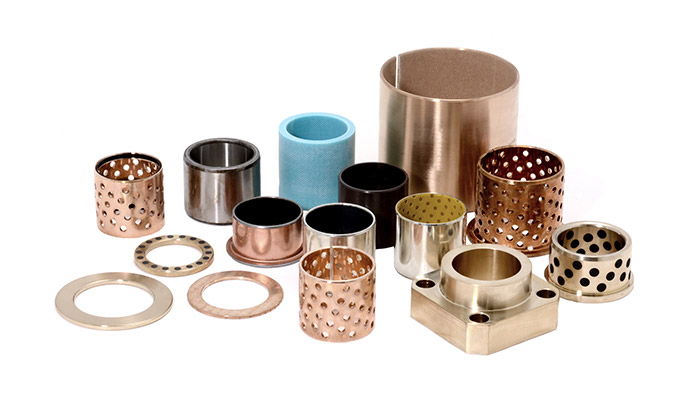
Contribution of Sliding Bearings to Agricultural Machinery and Equipment
Sliding bearings play a crucial role in enhancing the functionality and efficiency of various agricultural machinery and equipment. Here’s how they contribute:
Smooth Movement: Sliding bearings provide smooth and low-friction movement in agricultural machinery, ensuring efficient operation of components like pivots, linkages, and joints.
Load Distribution: Sliding bearings distribute loads evenly across surfaces, reducing stress on components and extending the lifespan of agricultural equipment.
Durability: Sliding bearings are designed to withstand harsh conditions commonly encountered in agriculture, such as exposure to dirt, debris, and moisture.
Low Maintenance: Sliding bearings require minimal maintenance due to their self-lubricating properties, reducing downtime and operational costs.
Vibration Dampening: Sliding bearings help dampen vibrations in agricultural machinery, improving operator comfort and reducing wear on components.
Enhanced Precision: Sliding bearings ensure precise movement in equipment like planting and harvesting machinery, contributing to accurate and consistent operations.
Versatility: Sliding bearings are used in a wide range of agricultural applications, including tractors, combines, plows, irrigation systems, and more.
Cost Efficiency: Sliding bearings provide a cost-effective solution for agricultural machinery, offering long service life and reducing the need for frequent replacements.
Reliability: Sliding bearings offer reliable performance even in challenging agricultural environments, contributing to the overall reliability of the equipment.
Environmental Adaptability: Sliding bearings can handle varying weather conditions and exposure to agricultural chemicals without compromising performance.
Overall, sliding bearings play a vital role in ensuring the smooth operation, durability, and performance of agricultural machinery and equipment, contributing to increased productivity and reduced maintenance requirements in the agriculture sector.
Contribution of Sliding Bearings to Hydraulic Systems and Pumps
Sliding bearings play a crucial role in ensuring the smooth and efficient operation of hydraulic systems and pumps. Here’s how they contribute to these applications:
Load Distribution: Sliding bearings distribute the axial and radial loads generated by hydraulic components, such as pistons and impellers, across their surfaces. This helps prevent localized stress and ensures uniform load distribution, enhancing the overall stability of the system.
Reduced Friction: Sliding bearings minimize friction between moving parts within hydraulic systems and pumps. This friction reduction leads to lower energy consumption and less heat generation, contributing to improved efficiency and reduced wear and tear.
Fluid Film Formation: Properly lubricated sliding bearings create a fluid film between their surfaces. This fluid film serves as a barrier that prevents direct contact between the bearing surfaces, reducing friction and wear and enabling smooth movement even at high speeds.
Sealing Function: Sliding bearings often incorporate seals to prevent the ingress of contaminants, such as dirt and moisture, into the hydraulic system or pump. This sealing function helps maintain the integrity of the system’s components and extends their lifespan.
Alignment Compensation: In hydraulic systems, sliding bearings can compensate for minor misalignments between components, such as shafts and impellers. This ability to accommodate misalignment contributes to reduced stress and longer component life.
Quiet Operation: Sliding bearings help dampen vibrations and noise generated during the operation of hydraulic systems and pumps. This contributes to quieter and more comfortable working environments.
Customization: Sliding bearings can be designed and customized to meet the specific requirements of different hydraulic systems and pumps. This adaptability ensures optimal performance and longevity.
Overall, sliding bearings enhance the reliability, efficiency, and longevity of hydraulic systems and pumps by minimizing friction, distributing loads, facilitating smooth movement, and providing protection against contaminants. Their contribution is essential to achieving consistent and precise fluid transfer and power generation in various industrial applications.
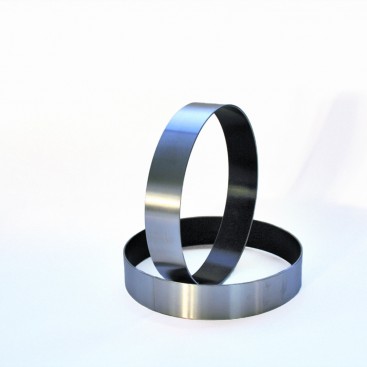
Impact of Proper Lubrication on Sliding Bearings
Proper lubrication plays a critical role in the performance and longevity of sliding bearings. Here’s how it affects their operation:
- Reduced Friction and Wear: Lubrication forms a thin film between the sliding surfaces of the bearing, reducing direct metal-to-metal contact. This minimizes friction and wear, which can significantly extend the bearing’s lifespan.
- Heat Dissipation: Lubricants help dissipate heat generated during operation by carrying away excess heat from the friction zones. This prevents overheating and potential damage to the bearing and surrounding components.
- Corrosion Prevention: Lubricants provide a protective barrier against moisture and corrosive substances, preventing the formation of rust and corrosion on the bearing surfaces.
- Sealing Effect: Proper lubrication can help create a sealing effect that prevents contaminants from entering the bearing, maintaining a clean and efficient operating environment.
- Noise and Vibration Reduction: Adequate lubrication helps dampen noise and reduce vibration caused by friction between bearing surfaces. This contributes to quieter and smoother operation.
- Enhanced Load Distribution: Lubrication ensures even load distribution across the bearing surfaces, preventing localized wear and extending the bearing’s overall life.
- Stability and Performance: Proper lubrication maintains consistent performance and stability by minimizing variations in friction and reducing the risk of sudden failures.
- Seizure Prevention: Lubricants prevent sliding surfaces from seizing or sticking together, even during periods of prolonged inactivity.
- Optimized Efficiency: Well-lubricated bearings experience less energy loss due to friction, resulting in improved overall efficiency of the machinery.
Choosing the right lubricant type, viscosity, and lubrication interval is crucial to ensuring the optimal performance and durability of sliding bearings. Regular maintenance and monitoring of lubrication levels are essential to prevent issues and extend the bearing’s service life.
editor by lmc 2024-11-26
manufacturer
Role of Sliding Bearings in Vibration Dampening and Shock Absorption Applications
Sliding bearings are essential components in applications where vibration dampening and shock absorption are critical. Here’s how they fulfill this role:
Vibration Dampening:
In various industrial processes and equipment, vibrations can lead to reduced performance, increased wear and tear, and even structural damage. Sliding bearings help dampen vibrations by providing a cushioning effect between moving components. The design of sliding bearings allows them to absorb and dissipate vibrations, preventing them from propagating throughout the machinery.
Shock Absorption:
Heavy machinery and equipment often experience sudden impacts or shocks due to sudden loads or external forces. Sliding bearings with their ability to absorb shocks and impacts help protect machinery from damage. They act as buffers that absorb and distribute the energy generated by these shocks, preventing it from causing harm to other components or the machinery structure.
Isolation of Vibrations:
Sliding bearings can be strategically placed in machinery to isolate specific components or sections from vibrations. This isolation helps maintain the stability and accuracy of delicate components that might be sensitive to vibrations, such as precision instruments or measurement devices.
Enhanced Comfort:
In applications involving human interaction, such as vehicles or industrial tools, sliding bearings contribute to user comfort. By reducing vibrations and shocks transmitted to the operator or occupants, sliding bearings improve the overall user experience and reduce operator fatigue.
Prevention of Resonance:
Resonance is a phenomenon where vibrations can be amplified due to the natural frequencies of the components. Sliding bearings help prevent resonance by providing damping properties that counteract the amplification effect. This is crucial in applications where precise control and stability are required.
In conclusion, sliding bearings play a vital role in applications requiring vibration dampening and shock absorption. Their ability to dampen vibrations, absorb shocks, isolate vibrations, enhance comfort, and prevent resonance contributes to the efficient and reliable operation of machinery and equipment in various industries.
Impact of Materials on Sliding Bearing Performance and Durability
The choice of materials used in sliding bearings significantly influences their performance, longevity, and suitability for specific applications. Different materials offer varying characteristics that affect factors such as friction, wear resistance, load capacity, and corrosion resistance. Here are some common materials and their effects:
- Bronze Bearings: Bronze bearings, often made from bronze alloys, offer good load-carrying capacity and resistance to wear. They are suitable for applications with moderate to heavy loads and low to moderate speeds. Bronze bearings also have good heat dissipation properties.
- Steel Bearings: Steel bearings, particularly those made from stainless steel, provide excellent corrosion resistance and are suitable for applications exposed to harsh environments or moisture. Steel bearings are often used in marine and food processing industries.
- Polymer Bearings: Polymer bearings, such as those made from materials like PTFE (polytetrafluoroethylene) or nylon, offer low friction and self-lubricating properties. They are suitable for applications where minimizing friction and wear is critical.
- Composite Bearings: Composite bearings combine different materials to achieve specific performance characteristics. For instance, they might feature a polymer matrix with embedded reinforcing fibers for improved load capacity and wear resistance.
- Graphite Bearings: Bearings with graphite as a lubricating element can operate without additional lubrication in certain conditions, reducing maintenance needs and offering self-lubricating properties.
The selection of materials should consider factors such as the application’s operating conditions, load requirements, speed, temperature, and the presence of corrosive substances. The right material choice ensures optimal performance, durability, and minimal maintenance for sliding bearings.
Advantages of Sliding Bearings Compared to Other Bearings
Sliding bearings, also known as plain bearings or journal bearings, offer several advantages compared to other types of bearings. These advantages make them suitable for specific applications where their characteristics are beneficial:
- High Load-Carrying Capacity: Sliding bearings can handle high loads due to their larger contact area and distribution of pressure, making them suitable for heavy machinery and industrial equipment.
- Low Friction: Sliding bearings operate on the principle of sliding friction, which can result in lower frictional losses and energy consumption compared to rolling element bearings.
- Simplicity: Sliding bearings have a straightforward design with fewer components, reducing complexity and potential points of failure.
- Cost-Effectiveness: The simpler design and manufacturing process of sliding bearings can lead to lower production costs and maintenance expenses.
- Shock and Vibration Absorption: Sliding bearings can dampen shocks and vibrations due to their ability to accommodate misalignments and absorb dynamic forces.
- High-Temperature Applications: Some sliding bearings are capable of operating in high-temperature environments where other types of bearings might fail.
- Self-Lubrication: Some sliding bearings are designed with self-lubricating materials, reducing the need for external lubrication and maintenance.
- Noisiness: Sliding bearings often produce less noise than rolling element bearings, which can be advantageous in noise-sensitive applications.
- Corrosion Resistance: Sliding bearings made from materials such as bronze or plastic can offer better corrosion resistance in certain environments.
- Adaptability to Dirty Environments: Sliding bearings can perform well in dirty or contaminated environments where rolling element bearings might be more prone to failure due to debris.
However, it’s important to note that sliding bearings also have limitations, such as higher frictional heat generation, potential for stick-slip behavior, and limited suitability for high-speed applications. The choice between sliding bearings and other types of bearings depends on the specific requirements of the application and the trade-offs that need to be considered.
editor by lmc 2024-11-26
wholesaler
Considerations for Selecting Appropriate Sliding Bearings
Choosing the right type and size of sliding bearing is crucial for ensuring optimal performance and longevity in various applications. Here are key considerations to keep in mind:
Load and Application: Determine the specific load and application requirements. Different sliding bearings are designed to handle varying loads, speeds, and operating conditions. Consider whether the bearing will experience radial, axial, or combined loads, as well as the expected range of motion.
Material Compatibility: Select materials that are compatible with the operating environment. Consider factors such as corrosion resistance, temperature tolerance, and exposure to chemicals or contaminants. Common bearing materials include bronze, steel, and self-lubricating polymers.
Lubrication: Proper lubrication is essential for reducing friction and wear in sliding bearings. Choose a lubrication method that suits the application, whether it’s grease, oil, or self-lubricating materials. Some sliding bearings are designed for maintenance-free operation.
Design and Configuration: Determine the appropriate bearing design, such as bushings, thrust washers, or linear guides. Consider the bearing’s dimensions, including inner and outer diameter, length, and width. The bearing’s configuration should match the available space and mounting requirements.
Load Distribution: Ensure that the selected sliding bearing can evenly distribute the applied load across its surface. This helps prevent premature wear and ensures the bearing’s longevity. Consider the bearing’s load capacity and how it aligns with the actual load demands.
Friction and Wear: Evaluate the bearing’s coefficient of friction and wear characteristics. Lower friction and wear rates contribute to longer bearing life and improved efficiency. Consider whether the bearing requires initial running-in to reach optimal performance.
Maintenance and Service Life: Consider the maintenance requirements and expected service life of the sliding bearing. Some applications may benefit from bearings with extended maintenance intervals or self-lubricating properties, while others may prioritize easy replacement.
Cost-Efficiency: Balancing performance with cost is essential. While high-performance materials and features can enhance bearing performance, they may also increase the upfront cost. Choose a solution that aligns with your budget and long-term operational goals.
Environmental Conditions: Factor in the environmental conditions the bearing will operate in. For example, marine environments may require bearings with exceptional corrosion resistance, while high-temperature applications demand materials with thermal stability.
Supplier Expertise: Partner with reputable suppliers who offer technical expertise and a range of sliding bearing solutions. Suppliers with a strong track record can provide guidance in selecting the most suitable bearing for your specific application.
By carefully considering these factors, you can confidently choose the appropriate type and size of sliding bearing that meets your application’s requirements and ensures optimal performance and reliability.
Enhancing Efficiency of Marine Propulsion Systems with Sliding Bearings
Sliding bearings play a crucial role in enhancing the efficiency of marine propulsion systems and various ship components. Here’s how sliding bearings contribute to the efficiency of maritime applications:
Reduced Friction: Sliding bearings are designed to minimize friction between moving parts. In marine propulsion systems, such as propeller shafts and stern tubes, reduced friction results in less energy loss and improved fuel efficiency.
Smooth Operation: Sliding bearings provide smooth and controlled movement of rotating or linear components. In marine applications, this smooth operation translates to improved maneuverability, reduced vibrations, and enhanced overall performance.
Load Distribution: Sliding bearings distribute loads evenly across bearing surfaces. This even distribution helps prevent localized wear and reduces the risk of premature failure, ensuring reliable operation of ship components.
Resistance to Harsh Environments: Marine environments expose equipment to corrosive saltwater, extreme temperatures, and harsh weather conditions. Sliding bearings are often designed with materials and coatings that offer corrosion resistance and durability, ensuring longevity even in challenging maritime settings.
Enhanced Lubrication: Lubrication is vital for reducing wear and friction in sliding bearings. Many marine applications use advanced lubrication systems that optimize the distribution of lubricants, further reducing friction and improving efficiency.
Space Efficiency: Sliding bearings are compact and require minimal space, making them suitable for marine systems where space is limited. This efficient use of space is particularly important in ship design and layout.
Customization for Specific Needs: Sliding bearings can be tailored to meet the specific requirements of different ship components. This customization ensures that bearings are optimized for their intended functions, further contributing to efficiency.
Reduced Maintenance: Properly designed sliding bearings require less maintenance compared to some other types of bearings. This reduced maintenance need translates to less downtime and increased operational efficiency for marine vessels.
Optimized Performance: Overall, the efficient and reliable performance of sliding bearings in marine propulsion systems and ship components leads to improved energy efficiency, reduced operational costs, and extended service life of the equipment.
By incorporating sliding bearings into marine applications, shipbuilders and operators can achieve enhanced efficiency, reliability, and sustainability in their operations.
Common Applications and Industries of Sliding Bearings
Sliding bearings are utilized across a wide range of applications and industries due to their unique advantages. Some common applications and industries where sliding bearings are commonly used include:
- Automotive Industry: Sliding bearings are found in engines, transmissions, suspension systems, and various automotive components.
- Industrial Machinery: They are used in manufacturing equipment, conveyors, printing machines, and more.
- Power Generation: Sliding bearings are crucial in turbines, generators, and power transmission systems.
- Aerospace: They play a role in aircraft landing gear, control systems, and propulsion mechanisms.
- Marine: Sliding bearings are used in ship engines, propellers, and steering systems.
- Construction and Mining: They are found in heavy machinery, excavators, loaders, and construction equipment.
- Oil and Gas: Sliding bearings are used in drilling rigs, pumps, compressors, and refineries.
- Railway: They are employed in locomotives, train wheels, and rail systems.
- Medical Equipment: Sliding bearings are used in medical devices, imaging equipment, and surgical instruments.
- Textile Industry: They play a role in weaving machines, spinning frames, and looms.
- Food and Beverage: Sliding bearings are utilized in food processing equipment and packaging machinery.
- Renewable Energy: They are used in wind turbines, solar tracking systems, and other renewable energy applications.
Sliding bearings provide reliable support and smooth motion in various environments, making them essential components in a wide range of industries.
editor by lmc 2024-11-22
supplier
Role of Sliding Bearings in Vibration Dampening and Shock Absorption Applications
Sliding bearings are essential components in applications where vibration dampening and shock absorption are critical. Here’s how they fulfill this role:
Vibration Dampening:
In various industrial processes and equipment, vibrations can lead to reduced performance, increased wear and tear, and even structural damage. Sliding bearings help dampen vibrations by providing a cushioning effect between moving components. The design of sliding bearings allows them to absorb and dissipate vibrations, preventing them from propagating throughout the machinery.
Shock Absorption:
Heavy machinery and equipment often experience sudden impacts or shocks due to sudden loads or external forces. Sliding bearings with their ability to absorb shocks and impacts help protect machinery from damage. They act as buffers that absorb and distribute the energy generated by these shocks, preventing it from causing harm to other components or the machinery structure.
Isolation of Vibrations:
Sliding bearings can be strategically placed in machinery to isolate specific components or sections from vibrations. This isolation helps maintain the stability and accuracy of delicate components that might be sensitive to vibrations, such as precision instruments or measurement devices.
Enhanced Comfort:
In applications involving human interaction, such as vehicles or industrial tools, sliding bearings contribute to user comfort. By reducing vibrations and shocks transmitted to the operator or occupants, sliding bearings improve the overall user experience and reduce operator fatigue.
Prevention of Resonance:
Resonance is a phenomenon where vibrations can be amplified due to the natural frequencies of the components. Sliding bearings help prevent resonance by providing damping properties that counteract the amplification effect. This is crucial in applications where precise control and stability are required.
In conclusion, sliding bearings play a vital role in applications requiring vibration dampening and shock absorption. Their ability to dampen vibrations, absorb shocks, isolate vibrations, enhance comfort, and prevent resonance contributes to the efficient and reliable operation of machinery and equipment in various industries.
Impact of Materials on Sliding Bearing Performance and Durability
The choice of materials used in sliding bearings significantly influences their performance, longevity, and suitability for specific applications. Different materials offer varying characteristics that affect factors such as friction, wear resistance, load capacity, and corrosion resistance. Here are some common materials and their effects:
- Bronze Bearings: Bronze bearings, often made from bronze alloys, offer good load-carrying capacity and resistance to wear. They are suitable for applications with moderate to heavy loads and low to moderate speeds. Bronze bearings also have good heat dissipation properties.
- Steel Bearings: Steel bearings, particularly those made from stainless steel, provide excellent corrosion resistance and are suitable for applications exposed to harsh environments or moisture. Steel bearings are often used in marine and food processing industries.
- Polymer Bearings: Polymer bearings, such as those made from materials like PTFE (polytetrafluoroethylene) or nylon, offer low friction and self-lubricating properties. They are suitable for applications where minimizing friction and wear is critical.
- Composite Bearings: Composite bearings combine different materials to achieve specific performance characteristics. For instance, they might feature a polymer matrix with embedded reinforcing fibers for improved load capacity and wear resistance.
- Graphite Bearings: Bearings with graphite as a lubricating element can operate without additional lubrication in certain conditions, reducing maintenance needs and offering self-lubricating properties.
The selection of materials should consider factors such as the application’s operating conditions, load requirements, speed, temperature, and the presence of corrosive substances. The right material choice ensures optimal performance, durability, and minimal maintenance for sliding bearings.
Design Principles and Functions of Sliding Bearings
Sliding bearings, also known as plain bearings or journal bearings, operate on the principle of providing a low-friction interface between two moving surfaces. The design of sliding bearings is based on creating a film of lubrication between the bearing surface and the shaft or journal it supports. This film of lubrication separates the two surfaces and minimizes direct metal-to-metal contact, reducing friction and wear.
The main components and design principles of sliding bearings include:
- Bearing Material: Sliding bearings are typically made from materials with good wear resistance and self-lubricating properties, such as bronze, brass, or various polymers. These materials help reduce friction and prevent excessive wear.
- Lubrication: Lubrication is crucial for the proper functioning of sliding bearings. It can be provided by an external lubricant, solid lubricants embedded in the bearing material, or a combination of both. The lubrication forms a protective layer that reduces direct contact and minimizes friction.
- Clearance: Sliding bearings are designed with a specific clearance between the bearing and the shaft to accommodate the lubricating film and allow for proper movement. This clearance prevents seizing and binding of the bearing.
- Load Distribution: The design of sliding bearings ensures that the load is distributed over a larger surface area to prevent excessive stress on any single point. This feature is essential for handling heavy loads in industrial applications.
- Alignment and Misalignment: Sliding bearings can tolerate small misalignments between the bearing and the shaft. This flexibility allows them to accommodate minor shifts caused by thermal expansion, vibration, or other factors.
- Heat Dissipation: Sliding bearings can generate frictional heat during operation. Proper design includes features to facilitate heat dissipation and prevent overheating that could lead to premature wear.
- Application-Specific Design: The design of sliding bearings can vary based on the specific application requirements, including load capacity, speed, operating temperature, and environmental conditions.
The functions of sliding bearings include providing support to rotating or sliding shafts, reducing friction, absorbing and distributing loads, allowing for misalignment, and offering smooth movement even in dirty or contaminated environments. Sliding bearings are commonly used in various industrial machinery and equipment, including engines, pumps, conveyors, and manufacturing equipment.
Overall, the design principles and functions of sliding bearings make them suitable for applications where low friction, durability, load-bearing capacity, and adaptability to varying conditions are essential.
editor by lmc 2024-11-22
Professional
Challenges of Lubricant Contamination in Sliding Bearings and Solutions
Lubricant contamination in sliding bearings can lead to various challenges that impact performance and longevity. Here are some challenges and solutions:
Challenge: Reduced Lubrication Effectiveness
Contaminants such as dust, dirt, moisture, and foreign particles can compromise the lubricant’s ability to provide effective lubrication between bearing surfaces.
Solution: Regular maintenance practices involving cleaning and relubrication help remove contaminants and restore the lubricant’s effectiveness. Proper seals and shields can also prevent contaminants from entering the bearing.
Challenge: Increased Friction and Wear
Contaminants in the lubricant can create abrasive particles that increase friction and accelerate wear on bearing surfaces.
Solution: Using high-quality, clean lubricants and implementing effective filtration systems can minimize the presence of contaminants, reducing friction and wear.
Challenge: Component Damage
Contaminants can cause pitting, scratching, and other damage to bearing surfaces, leading to decreased performance and potential bearing failure.
Solution: Regular inspections and cleaning routines are essential to prevent the accumulation of contaminants. Using lubricants with appropriate viscosity and additives can also help protect bearing surfaces.
Challenge: Increased Heat and Temperature
Contaminants can create heat and increase operating temperatures due to increased friction, which can negatively impact bearing performance.
Solution: Clean lubricants with proper viscosity and thermal stability are essential to dissipate heat effectively. Maintaining proper lubrication levels helps manage temperature rise.
Challenge: Corrosion
Moisture and certain contaminants can lead to corrosion of bearing surfaces, which compromises their structural integrity.
Solution: Proper storage and handling of bearings, as well as using corrosion-resistant lubricants, can mitigate the risk of corrosion. Seals and shields also provide additional protection against moisture ingress.
Challenge: Lubricant Breakdown
Contaminants and high operating temperatures can cause lubricants to degrade over time, reducing their lubricating properties.
Solution: Monitoring lubricant condition and replenishing or changing it at appropriate intervals helps maintain its effectiveness. Using lubricants with good oxidation resistance is also important.
Lubricant contamination in sliding bearings can significantly impact their performance and longevity. Implementing proper maintenance practices, using clean and suitable lubricants, and employing effective sealing mechanisms are key strategies to address these challenges and ensure optimal sliding bearing operation.
Maintenance Practices to Extend the Lifespan of Sliding Bearings
Proper maintenance is essential for maximizing the lifespan of sliding bearings and ensuring optimal performance. Here are specific practices that can help extend the life of sliding bearings:
Regular Lubrication: Adequate lubrication is crucial for minimizing friction and wear between sliding surfaces. Follow manufacturer recommendations for lubrication intervals and use the appropriate lubricants for the operating conditions.
Clean Environment: Keep the surrounding environment clean and free from dust, dirt, and contaminants. Regularly clean the machinery or equipment to prevent debris from entering the bearing area.
Seal Integrity: Ensure that bearing seals are in good condition to prevent contaminants from entering and lubricant from escaping. Replace damaged seals promptly to maintain proper protection.
Alignment and Mounting: Proper alignment and mounting of sliding bearings are critical to distribute loads evenly and prevent excessive wear. Follow manufacturer guidelines for installation procedures and torque specifications.
Regular Inspections: Schedule routine inspections to detect early signs of wear, damage, or misalignment. Visual inspections, temperature checks, and vibration analysis can help identify issues before they escalate.
Maintenance Records: Maintain detailed records of maintenance activities, including lubrication schedules, inspections, and replacements. This information can help track the condition of sliding bearings and plan maintenance tasks effectively.
Temperature Management: Control operating temperatures within recommended limits. Excessive heat can degrade lubricants and accelerate wear, while extreme cold can affect bearing performance.
Load Management: Avoid subjecting sliding bearings to loads beyond their specified capacities. Overloading can lead to premature wear and damage.
Training and Education: Ensure that personnel responsible for maintenance are adequately trained in proper procedures. Knowledgeable staff can perform maintenance tasks accurately and identify potential issues.
Timely Replacement: When wear or damage is detected that exceeds acceptable limits, replace sliding bearings promptly to prevent further damage to the machinery or equipment.
By implementing these maintenance practices, you can significantly extend the lifespan of sliding bearings, reduce downtime, and optimize the performance of machinery and equipment.
Design Principles and Functions of Sliding Bearings
Sliding bearings, also known as plain bearings or journal bearings, operate on the principle of providing a low-friction interface between two moving surfaces. The design of sliding bearings is based on creating a film of lubrication between the bearing surface and the shaft or journal it supports. This film of lubrication separates the two surfaces and minimizes direct metal-to-metal contact, reducing friction and wear.
The main components and design principles of sliding bearings include:
- Bearing Material: Sliding bearings are typically made from materials with good wear resistance and self-lubricating properties, such as bronze, brass, or various polymers. These materials help reduce friction and prevent excessive wear.
- Lubrication: Lubrication is crucial for the proper functioning of sliding bearings. It can be provided by an external lubricant, solid lubricants embedded in the bearing material, or a combination of both. The lubrication forms a protective layer that reduces direct contact and minimizes friction.
- Clearance: Sliding bearings are designed with a specific clearance between the bearing and the shaft to accommodate the lubricating film and allow for proper movement. This clearance prevents seizing and binding of the bearing.
- Load Distribution: The design of sliding bearings ensures that the load is distributed over a larger surface area to prevent excessive stress on any single point. This feature is essential for handling heavy loads in industrial applications.
- Alignment and Misalignment: Sliding bearings can tolerate small misalignments between the bearing and the shaft. This flexibility allows them to accommodate minor shifts caused by thermal expansion, vibration, or other factors.
- Heat Dissipation: Sliding bearings can generate frictional heat during operation. Proper design includes features to facilitate heat dissipation and prevent overheating that could lead to premature wear.
- Application-Specific Design: The design of sliding bearings can vary based on the specific application requirements, including load capacity, speed, operating temperature, and environmental conditions.
The functions of sliding bearings include providing support to rotating or sliding shafts, reducing friction, absorbing and distributing loads, allowing for misalignment, and offering smooth movement even in dirty or contaminated environments. Sliding bearings are commonly used in various industrial machinery and equipment, including engines, pumps, conveyors, and manufacturing equipment.
Overall, the design principles and functions of sliding bearings make them suitable for applications where low friction, durability, load-bearing capacity, and adaptability to varying conditions are essential.
editor by lmc 2024-11-21
Hot selling
Improvement of Heavy Machinery Operation with Sliding Bearings
Sliding bearings play a crucial role in enhancing the operation of heavy machinery, such as mining equipment. Here’s how they contribute:
Reduced Friction and Wear:
Sliding bearings are designed to minimize friction between moving parts. In heavy machinery, where components are subjected to substantial loads and harsh conditions, reducing friction is essential to prevent premature wear and damage. Sliding bearings help distribute loads evenly and provide a smooth surface for components to slide against, reducing the risk of friction-induced failures.
Increased Durability:
The robust construction and materials used in sliding bearings make them well-suited for heavy machinery applications. They can withstand the heavy loads, impacts, and vibrations commonly encountered in mining equipment. Their durability contributes to the overall reliability and longevity of the machinery.
Improved Efficiency:
Efficiency is critical in heavy machinery to maximize productivity while minimizing energy consumption. Sliding bearings contribute to improved efficiency by reducing energy losses due to friction. With lower friction, machinery components can move more freely, requiring less energy to overcome resistance.
Resistance to Contaminants:
Mining environments are often filled with dust, dirt, and debris that can infiltrate machinery components. Sliding bearings are designed to operate effectively even in contaminated conditions. Their design and materials help prevent the intrusion of contaminants, reducing the risk of premature wear and component failure.
Enhanced Load Distribution:
Heavy machinery, especially in mining, experiences dynamic and uneven loads. Sliding bearings help distribute these loads evenly across surfaces, preventing localized stress concentrations. This load distribution contributes to the machinery’s overall structural integrity and minimizes the risk of catastrophic failures.
In conclusion, sliding bearings are integral to the efficient and reliable operation of heavy machinery in industries like mining. Their ability to reduce friction, enhance durability, improve efficiency, resist contaminants, and distribute loads makes them invaluable components for ensuring the smooth functioning of mining equipment.
Managing Friction and Wear in Sliding Bearings
Friction and wear are common challenges in sliding bearings that can lead to reduced performance and premature failure. Here’s a detailed look at these challenges and some solutions to manage them:
Challenges:
- Friction: High friction can lead to energy loss, increased heat generation, and accelerated wear.
- Wear: Continuous contact between sliding surfaces can result in material removal and surface degradation over time.
Solutions:
- Lubrication: Proper lubrication is crucial to reduce friction and wear. Lubricants create a protective film between sliding surfaces, minimizing direct contact and promoting smooth movement.
- Self-Lubricating Bearings: Bearings made from self-lubricating materials, such as polymers containing solid lubricants, can offer continuous lubrication without external intervention.
- Bearing Design: Optimized bearing designs, such as incorporating grooves or pockets for lubricant retention, can enhance lubrication efficiency and reduce friction.
- Maintenance: Regular maintenance and lubricant replenishment help ensure consistent lubrication levels and prevent excessive wear.
- Material Selection: Choosing materials with low friction coefficients and high wear resistance can minimize friction and extend bearing life.
- Surface Treatments: Coatings, such as PTFE or DLC (diamond-like carbon), can be applied to bearing surfaces to reduce friction and enhance wear resistance.
- Clearance Adjustment: Proper clearance between bearing components can reduce friction and prevent excessive loading.
By implementing effective lubrication strategies, choosing appropriate materials, and employing suitable design practices, the challenges of friction and wear in sliding bearings can be effectively managed, leading to improved performance and longer bearing life.
Common Applications and Industries of Sliding Bearings
Sliding bearings are utilized across a wide range of applications and industries due to their unique advantages. Some common applications and industries where sliding bearings are commonly used include:
- Automotive Industry: Sliding bearings are found in engines, transmissions, suspension systems, and various automotive components.
- Industrial Machinery: They are used in manufacturing equipment, conveyors, printing machines, and more.
- Power Generation: Sliding bearings are crucial in turbines, generators, and power transmission systems.
- Aerospace: They play a role in aircraft landing gear, control systems, and propulsion mechanisms.
- Marine: Sliding bearings are used in ship engines, propellers, and steering systems.
- Construction and Mining: They are found in heavy machinery, excavators, loaders, and construction equipment.
- Oil and Gas: Sliding bearings are used in drilling rigs, pumps, compressors, and refineries.
- Railway: They are employed in locomotives, train wheels, and rail systems.
- Medical Equipment: Sliding bearings are used in medical devices, imaging equipment, and surgical instruments.
- Textile Industry: They play a role in weaving machines, spinning frames, and looms.
- Food and Beverage: Sliding bearings are utilized in food processing equipment and packaging machinery.
- Renewable Energy: They are used in wind turbines, solar tracking systems, and other renewable energy applications.
Sliding bearings provide reliable support and smooth motion in various environments, making them essential components in a wide range of industries.
editor by lmc 2024-11-21
wholesaler
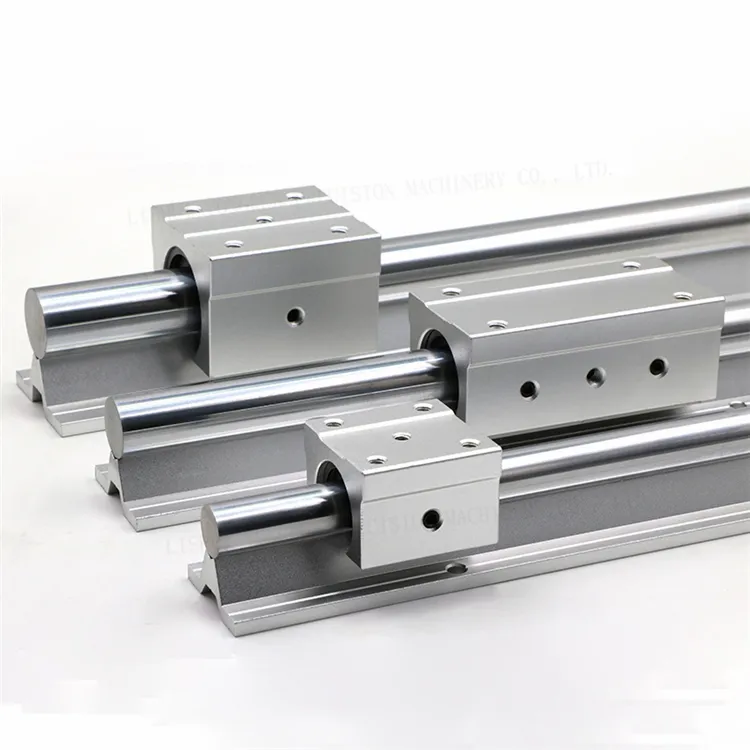
Differences Between Plain Sliding Bearings and Self-Lubricating Bearings
Plain sliding bearings and self-lubricating bearings are two distinct types of bearings used in various applications. Here are the key differences between them:
Plain Sliding Bearings:
- Plain sliding bearings, also known as bushings, are simple bearing components that consist of a cylindrical sleeve made of a bearing material.
- These bearings require external lubrication, such as grease or oil, to reduce friction and wear between the bearing and the shaft.
- Regular maintenance and lubrication are essential to ensure proper operation and longevity.
- Plain sliding bearings are cost-effective and suitable for applications where lubrication can be easily provided.
- They are commonly used in low-speed and low-load applications, where the shaft slides within the bearing.
Self-Lubricating Bearings:
- Self-lubricating bearings, also known as maintenance-free bearings, are designed to operate without the need for external lubrication.
- These bearings incorporate solid lubricants, such as graphite, PTFE (polytetrafluoroethylene), or other additives, directly into the bearing material.
- The solid lubricants are released gradually as the bearing operates, reducing friction and providing a consistent lubricating film.
- Self-lubricating bearings are ideal for applications where frequent maintenance or lubrication is impractical or not feasible.
- They are suitable for both low-load and high-load applications, as the self-lubricating properties help extend the bearing’s service life.
In summary, plain sliding bearings require external lubrication and are suitable for applications where lubrication can be provided, while self-lubricating bearings incorporate solid lubricants and operate without the need for regular maintenance. The choice between these two types depends on factors such as the application’s operating conditions, maintenance requirements, and budget considerations.
Managing Friction and Wear in Sliding Bearings
Friction and wear are common challenges in sliding bearings that can lead to reduced performance and premature failure. Here’s a detailed look at these challenges and some solutions to manage them:
Challenges:
- Friction: High friction can lead to energy loss, increased heat generation, and accelerated wear.
- Wear: Continuous contact between sliding surfaces can result in material removal and surface degradation over time.
Solutions:
- Lubrication: Proper lubrication is crucial to reduce friction and wear. Lubricants create a protective film between sliding surfaces, minimizing direct contact and promoting smooth movement.
- Self-Lubricating Bearings: Bearings made from self-lubricating materials, such as polymers containing solid lubricants, can offer continuous lubrication without external intervention.
- Bearing Design: Optimized bearing designs, such as incorporating grooves or pockets for lubricant retention, can enhance lubrication efficiency and reduce friction.
- Maintenance: Regular maintenance and lubricant replenishment help ensure consistent lubrication levels and prevent excessive wear.
- Material Selection: Choosing materials with low friction coefficients and high wear resistance can minimize friction and extend bearing life.
- Surface Treatments: Coatings, such as PTFE or DLC (diamond-like carbon), can be applied to bearing surfaces to reduce friction and enhance wear resistance.
- Clearance Adjustment: Proper clearance between bearing components can reduce friction and prevent excessive loading.
By implementing effective lubrication strategies, choosing appropriate materials, and employing suitable design practices, the challenges of friction and wear in sliding bearings can be effectively managed, leading to improved performance and longer bearing life.
Considerations for Selecting Sliding Bearings
When choosing a sliding bearing for a specific application, several key factors should be taken into consideration:
- Load Capacity: Determine the maximum load the bearing will need to support. This includes both radial and axial loads, as well as any dynamic or static loads.
- Operating Conditions: Consider the operating environment, including temperature, humidity, and exposure to chemicals or contaminants. Different materials and coatings may be required for harsh conditions.
- Lubrication: Choose the appropriate lubrication method based on the application. Consider factors such as the frequency of lubrication, the availability of lubrication points, and the compatibility of lubricants with the bearing material.
- Speed and Motion: Evaluate the speed and type of motion the bearing will experience. Higher speeds may require special considerations for heat dissipation and lubrication.
- Alignment and Misalignment: Determine if the bearing will need to accommodate misalignment between the shaft and the bearing housing. Some applications may require self-aligning or spherical bearings.
- Wear Resistance: Choose a bearing material that offers good wear resistance to prevent premature wear and extend the bearing’s lifespan.
- Noise and Vibration: Consider the impact of noise and vibration on the application. Bearings with proper damping properties can help reduce noise and vibration levels.
- Maintenance Requirements: Assess the ease of maintenance, including lubrication intervals, accessibility of lubrication points, and the need for regular inspections.
- Cost and Availability: Compare the cost of the bearing with its expected performance and lifespan. Also, ensure that the chosen bearing type and size are readily available.
- Application-Specific Considerations: Some applications may have unique requirements, such as corrosion resistance, electrical insulation, or compatibility with food-grade standards.
By carefully considering these factors, you can select a sliding bearing that meets the specific needs of your application, ensuring reliable performance and longevity.


editor by lmc 2024-11-20
high quality
Advancements in Sliding Bearing Technology
Recent years have witnessed significant advancements in sliding bearing technology, leading to improved performance, durability, and efficiency in various applications. Some notable developments include:
Self-Lubricating Materials: The use of advanced self-lubricating materials, such as composite polymers and solid lubricants, has reduced the need for external lubrication, enhancing maintenance-free operation.
Nano-Coatings: Nano-coatings with improved wear resistance and reduced friction have been applied to sliding bearings, extending their lifespan and optimizing performance in demanding environments.
Improved Friction Management: Advanced surface texturing and micro-grooving techniques have been employed to manage friction and reduce wear, contributing to smoother operation and increased efficiency.
Bearing Monitoring Systems: Integration of sensors and monitoring systems allows real-time tracking of bearing health, enabling predictive maintenance and reducing unexpected downtime.
Customization: Modern manufacturing techniques, such as 3D printing and precision machining, allow for customized sliding bearings tailored to specific applications, improving overall system performance.
Environmentally Friendly Solutions: Development of environmentally friendly lubricants and materials ensures compliance with regulations and minimizes the impact of sliding bearing technology on the environment.
High-Load Capacities: Advances in material science and engineering have led to sliding bearings with increased load-carrying capacities, making them suitable for heavy-duty applications.
Enhanced Wear Resistance: Improved material compositions and surface treatments have enhanced wear resistance, reducing the need for frequent replacements and maintenance.
Reduced Noise and Vibration: Innovations in design and materials have resulted in sliding bearings that produce less noise and vibration, contributing to quieter and more comfortable machinery operation.
Integration with IoT: Integration of sliding bearings into the Internet of Things (IoT) networks allows for remote monitoring and optimization of bearing performance.
Digital Twin Technology: Digital twin simulations are being used to model sliding bearing behavior, aiding in design optimization and performance prediction.
Efficiency in High-Temperature Environments: Advancements in heat-resistant materials have enabled sliding bearings to operate efficiently in high-temperature industrial applications.
These advancements collectively contribute to the evolution of sliding bearing technology, making them more reliable, durable, and adaptable to a wide range of industrial and commercial applications.
Contribution of Sliding Bearings to Hydraulic Systems and Pumps
Sliding bearings play a crucial role in ensuring the smooth and efficient operation of hydraulic systems and pumps. Here’s how they contribute to these applications:
Load Distribution: Sliding bearings distribute the axial and radial loads generated by hydraulic components, such as pistons and impellers, across their surfaces. This helps prevent localized stress and ensures uniform load distribution, enhancing the overall stability of the system.
Reduced Friction: Sliding bearings minimize friction between moving parts within hydraulic systems and pumps. This friction reduction leads to lower energy consumption and less heat generation, contributing to improved efficiency and reduced wear and tear.
Fluid Film Formation: Properly lubricated sliding bearings create a fluid film between their surfaces. This fluid film serves as a barrier that prevents direct contact between the bearing surfaces, reducing friction and wear and enabling smooth movement even at high speeds.
Sealing Function: Sliding bearings often incorporate seals to prevent the ingress of contaminants, such as dirt and moisture, into the hydraulic system or pump. This sealing function helps maintain the integrity of the system’s components and extends their lifespan.
Alignment Compensation: In hydraulic systems, sliding bearings can compensate for minor misalignments between components, such as shafts and impellers. This ability to accommodate misalignment contributes to reduced stress and longer component life.
Quiet Operation: Sliding bearings help dampen vibrations and noise generated during the operation of hydraulic systems and pumps. This contributes to quieter and more comfortable working environments.
Customization: Sliding bearings can be designed and customized to meet the specific requirements of different hydraulic systems and pumps. This adaptability ensures optimal performance and longevity.
Overall, sliding bearings enhance the reliability, efficiency, and longevity of hydraulic systems and pumps by minimizing friction, distributing loads, facilitating smooth movement, and providing protection against contaminants. Their contribution is essential to achieving consistent and precise fluid transfer and power generation in various industrial applications.
Impact of Proper Lubrication on Sliding Bearings
Proper lubrication plays a critical role in the performance and longevity of sliding bearings. Here’s how it affects their operation:
- Reduced Friction and Wear: Lubrication forms a thin film between the sliding surfaces of the bearing, reducing direct metal-to-metal contact. This minimizes friction and wear, which can significantly extend the bearing’s lifespan.
- Heat Dissipation: Lubricants help dissipate heat generated during operation by carrying away excess heat from the friction zones. This prevents overheating and potential damage to the bearing and surrounding components.
- Corrosion Prevention: Lubricants provide a protective barrier against moisture and corrosive substances, preventing the formation of rust and corrosion on the bearing surfaces.
- Sealing Effect: Proper lubrication can help create a sealing effect that prevents contaminants from entering the bearing, maintaining a clean and efficient operating environment.
- Noise and Vibration Reduction: Adequate lubrication helps dampen noise and reduce vibration caused by friction between bearing surfaces. This contributes to quieter and smoother operation.
- Enhanced Load Distribution: Lubrication ensures even load distribution across the bearing surfaces, preventing localized wear and extending the bearing’s overall life.
- Stability and Performance: Proper lubrication maintains consistent performance and stability by minimizing variations in friction and reducing the risk of sudden failures.
- Seizure Prevention: Lubricants prevent sliding surfaces from seizing or sticking together, even during periods of prolonged inactivity.
- Optimized Efficiency: Well-lubricated bearings experience less energy loss due to friction, resulting in improved overall efficiency of the machinery.
Choosing the right lubricant type, viscosity, and lubrication interval is crucial to ensuring the optimal performance and durability of sliding bearings. Regular maintenance and monitoring of lubrication levels are essential to prevent issues and extend the bearing’s service life.
editor by lmc 2024-11-20